









Red and processed meats have now carried a stark scientific warning for decades, but the message has grown louder and clearer since bowel cancer rates started climbing among millennials and Generation Z.
But Dr Angad Dhillon, a consultant gastroenterologist and bowel cancer screening specialist, says there is no need to banish bacon from your life entirely, as long as you are keeping things sensible.
"The reassuring message is that moderation really works - so you don't need to avoid these foods completely," he explained.
UK guidelines suggest capping red and processed meat at roughly 70 grams daily, which Dr Dhillon describes as a practical, evidence-based approach.
When it comes to what you should be eating more of, he recommends loading up on fibre-rich options like wholegrains, beans, lentils, fruits and vegetables.
TRENDING
Stories
Videos
Your Say
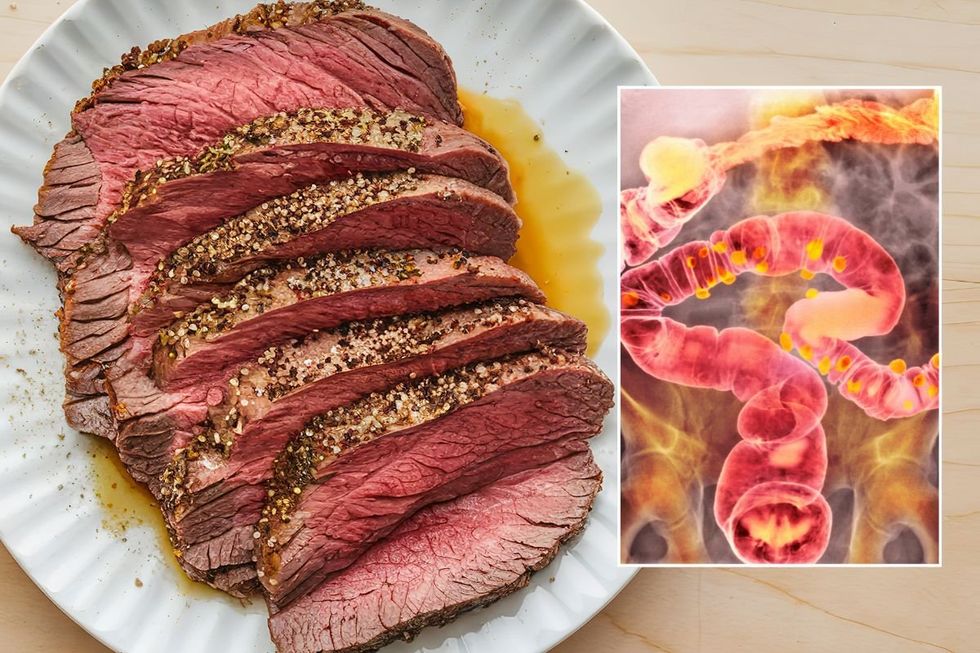
'The reassuring message is that moderation really works'
|GETTY
Foods that support your gut bacteria are also encouraged, including garlic, onions, broccoli and Brussels sprouts, along with anti-inflammatory picks like oily fish and berries.
On the practical side, Dr Dhillon suggests rethinking how you plate up your meals.
"Think about building meals around vegetables first, then add meat as a smaller component rather than the centrepiece," he advised.
This approach naturally shrinks portion sizes without making you feel like you are missing out.
When you do fancy some meat, go for quality over quantity.
"People often find that eating less but better meat makes cutting down feel much easier," he notes.
Boosting your fibre intake from vegetables, fruit, wholegrains and pulses does double duty, pushing meat to the side of your plate while independently lowering bowel cancer risk.
"Small, sustainable changes tend to work far better than big, short-lived ones," Dr Dhillon added.
Why is processed meat linked to cancer?
The World Health Organization recently placed items like ham, bacon, salami and frankfurters in its Group 1 carcinogen category, alongside smoking and asbestos.
LATEST DEVELOPMENTS
Although it sounds alarming, Dr Dhillon says context matters here, noting: "The category reflects how strong the evidence is, not how big the risk is."
In other words, scientists are confident there is a link to cancer, but that does not mean your morning rasher is as dangerous as lighting up a cigarette.
Reports suggest eating just 50 grams of processed meat daily could bump up cancer risk by 18 per cent.
However, Dr Dhillon points out that this increased risk is real but small, accumulating gradually over many years of regular consumption.
Bowel cancer affects around 44,100 people across the UK annually, making it the nation's fourth most common cancer.
It is also the second biggest cancer killer in Britain, claiming more than 16,800 lives each year.
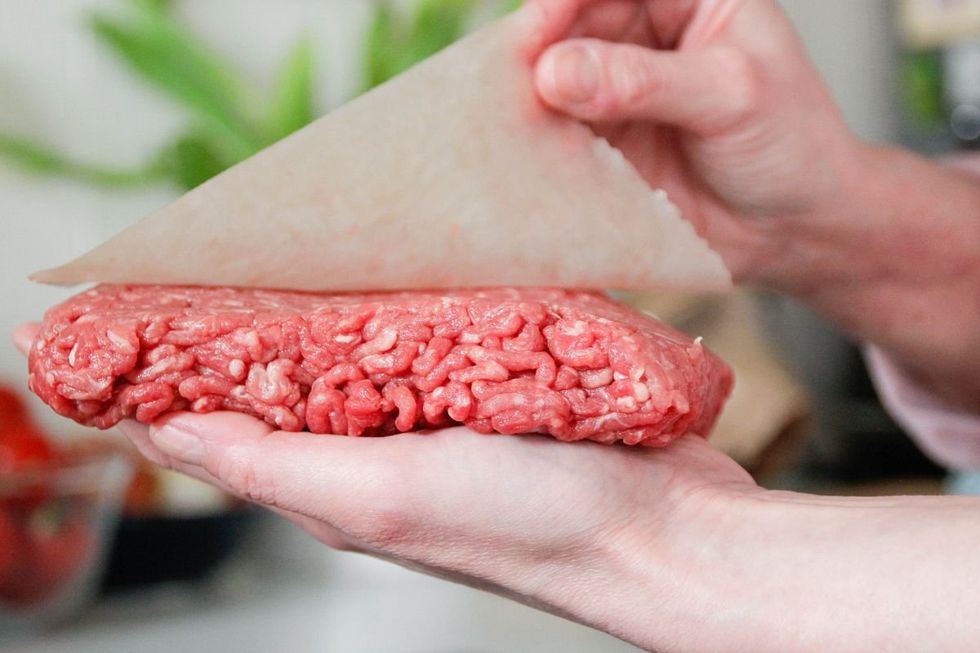
UK guidelines suggest capping red and processed meat at roughly 70 grams daily
|GETTY
The elderly are hit hardest, with nearly six in ten deaths occurring in those aged 75 and over, according to Cancer Research UK.
Dr Dhillon emphasised processed meat is just one piece of a much larger puzzle when it comes to bowel cancer risk.
"For most people, it's just one of many factors that influence bowel cancer risk," he said.
The danger grows with higher and more frequent consumption, particularly when it comes to processed varieties like bacon, sausages and ham.
Our Standards: The GB News Editorial Charter