










Researchers have issued a warning to those who enjoy a daily tipple, after taking a close look at how drinking affects our chances of developing cancer.
A team from Florida Atlantic University's Charles E. Schmidt College of Medicine has completed a massive systematic review, analysing 62 separate studies with participant numbers ranging from just 80 people to nearly 100 million.
They set out to determine how different drinking habits – whether excessive, moderate, or even mild – influence cancer risk in adults, with their findings suggesting how often you drink and how much you consume really do matter when it comes to your long-term health.
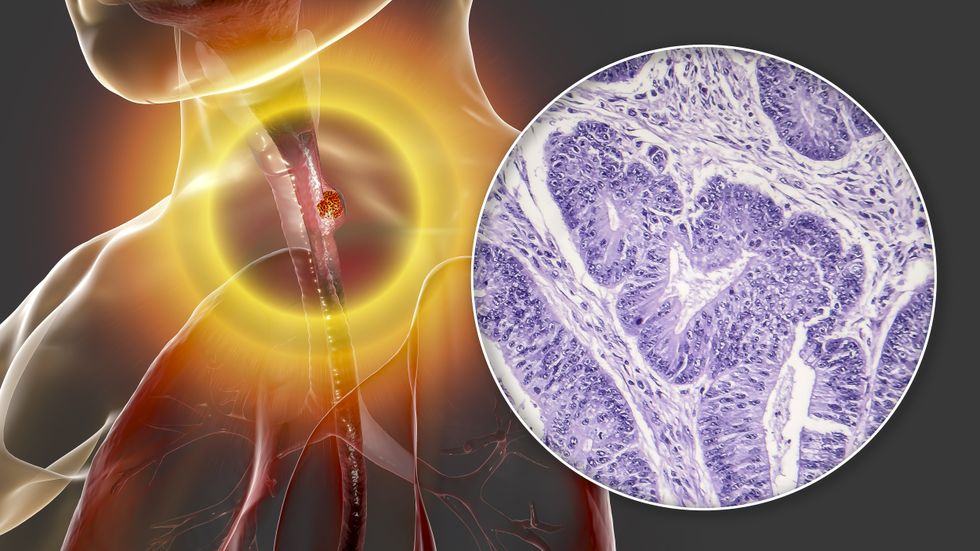
The research, published in the journal Cancer Epidemiology, showed a particularly strong link between alcohol and certain cancers, with breast, colorectal, liver, oral, laryngeal, oesophageal and gastric cancers all demonstrating clear connections to drinking habits.
Older adults are especially vulnerable
|GETTY
It's not just about developing cancer, either – alcohol also makes things worse for people with existing conditions.
Those with alcoholic liver disease, for instance, were more likely to develop advanced liver cancer and had lower survival rates.
"Across 50 studies in our review, higher alcohol consumption consistently raised cancer risk, with risk increasing as intake grows," said Lea Sacca, PhD, senior author and assistant professor of population health at the Schmidt College of Medicine.
"Heavy, daily or binge drinking is strongly linked to multiple cancers, highlighting the importance of moderation and following cancer prevention guidelines."
Not everyone faces the same level of risk, though. African Americans, people with genetic predispositions, and those living with obesity or diabetes all showed heightened vulnerability to alcohol-related cancers.
Additional factors like race, age, education and income shaped both exposure and vulnerability in ways that created an uneven burden.
Lower-socioeconomic groups and certain racial and ethnic communities ended up carrying a disproportionate share of the risk – even when their actual drinking levels were similar to or lower than those of other groups.
LATEST DEVELOPMENTS
"Factors like type of alcohol, age of first exposure, gender, race, smoking, family history, and genetics all influence risk," Dr Sacca explained.
"Certain groups – older adults, socioeconomically disadvantaged individuals, and those with comorbidities – are especially vulnerable."
The review also found some interesting differences between the sexes – men faced a higher risk from frequent drinking, while women were more vulnerable to episodic heavy drinking.

Alcohol appears to make things worse for people with existing conditions
|GETTY
Even the type of drink seemed to matter in some cases, with white wine and beer linked to a higher risk for certain cancers, while spirits often weren't.
Lewis S. Nelson, M.D., dean and chief of health affairs at the Schmidt College of Medicine, explained the biological side: "Biologically, alcohol can damage DNA through acetaldehyde, alter hormone levels, trigger oxidative stress, suppress the immune system, and increase carcinogen absorption."
The researchers are now calling for targeted public health messages, stronger alcohol policies, and focused interventions for those most at risk.
Our Standards: The GB News Editorial Charter