






The Stroke Association has issued a warning that the number of strokes across the UK could surge by nearly 42 per cent over the next decade without urgent intervention.
Fresh projections from the charity suggest that by 2035, more than 151,000 people could suffer a stroke annually – that's around 414 individuals every single day.
This marks a significant jump from current figures, which sit at approximately 280 strokes daily, or 106,565 each year.
The charity is urging Brits to take action now to help reverse this trend, stressing that nine out of ten strokes can actually be prevented.
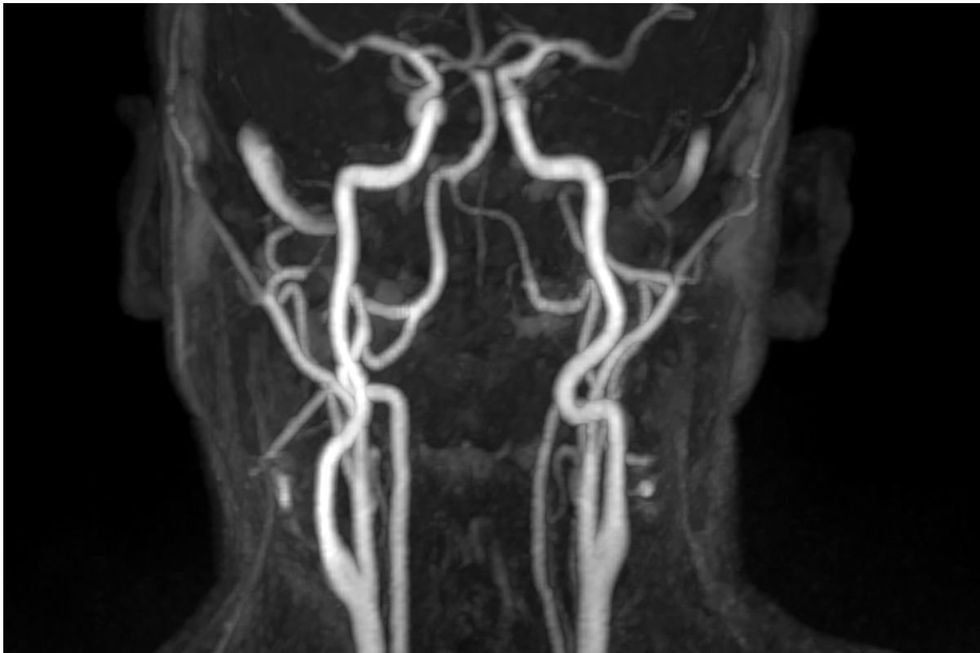
Nine out of ten strokes can actually be prevented
|GETTY
"Some members of the public think that strokes are an inevitable consequence of older age, but that's absolutely not the case," explained deputy CEO and executive director of influencing and research at the Stroke Association, Alexis Kolodziej.
"If you take action on blood pressure, follow healthy living advice and make sure that heart conditions are picked up and monitored, all these things can all have a significant positive impact on your stroke risk," added Alexis.
Interestingly, stroke rates are climbing faster among younger adults than older ones, with more cases now occurring in people under 55.
The charity believes lifestyle factors are largely driving this shift.
High blood pressure plays a role in roughly half of all strokes. So what can you actually do to lower your chances of having a stroke?
"It's never too early to start checking your blood pressure," said Alexis.
You can pop into your GP, most pharmacies, or even some supermarkets, which now have machines available. Home monitors have also become much more affordable and accessible.
For those aged 40 to 74 without existing health conditions, the NHS Health Check is a brilliant resource – you should receive an invitation from your GP or local council every five years.
"If you get that invitation from a GP and you're over 40, you should absolutely go," Kolodziej advised.
LATEST DEVELOPMENTS
Staying active doesn't mean hitting the gym constantly either. Even a gentle stroll around the block or pottering about in the garden can make a real difference
Diet
Watching your salt intake matters hugely; so processed foods and ready meals should be kept down to a minimum.
Giving up cigarettes is one of the best things you can do for your stroke risk. The toxins from smoking clog up your arteries, but your risk starts dropping the moment you quit, and within five years, it reduces significantly.
For further protection, keep your drinking within the recommended limits. Binge drinking poses more danger than the occasional glass of wine.
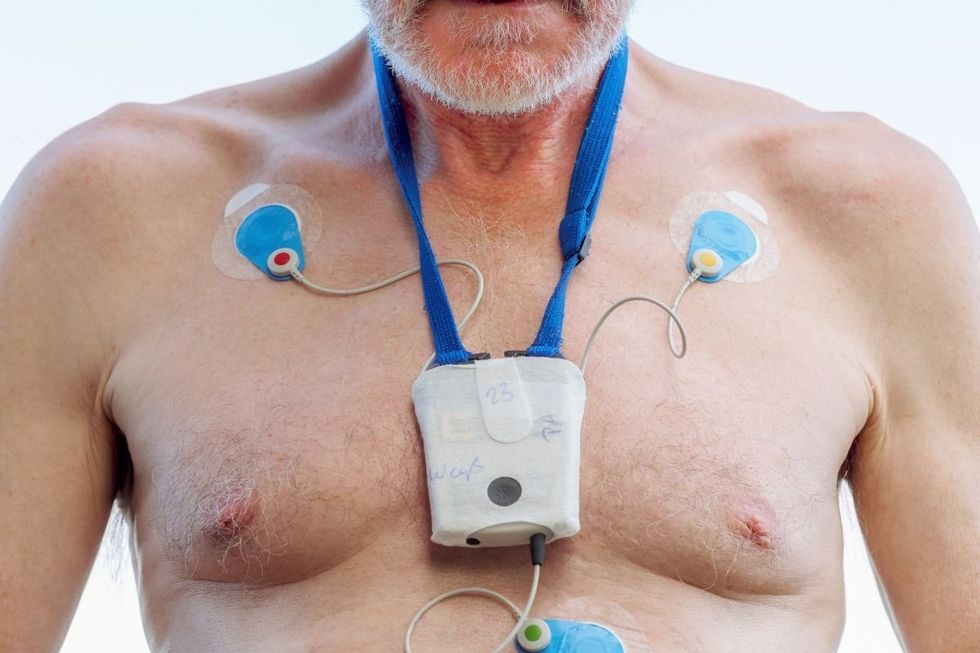
Atrial fibrillation hikes the risk of stroke fivefold
|GETTY
Then there's atrial fibrillation, a heart rhythm condition that can make you five times more likely to suffer a stroke.
"The problem with AF is that often it doesn't have symptoms, but there are manual pulse checks you can do," warned Kolodziej.
If diagnosed, daily anticoagulant medication can dramatically cut your stroke risk by preventing blood clots from forming.
Our Standards: The GB News Editorial Charter