










A social media ban on under-16s won’t fix Britain’s mental health crisis - because screens are not the real cause of children’s distress, a world leading expert has warned.
Dr Gabor Maté, one of the most prominent authorities on child development, says that while he supported a ban because social media is causing ‘terrible harm’ to children’s brains, it was naive to think it was a silver bullet for rising mental health issues.
Instead, he believes the explosion in child anxiety, self harm, depression and eating disorders is rooted in increasing social stress, a lack of secure early bonds, and, in many cases, trauma.
He warned banning social media for children ministers would only tackle the symptom, not the cause, of Britain’s growing youth mental health crisis.
TRENDING
Stories
Videos
Your Say
Campaigners have pointed to mounting anecdotal evidence from classrooms, where pupils are said to be struggling more than ever to concentrate, regulate emotions and engage socially without the mediation of screens.
It comes as research suggests that excessive screen use can damage attention spans, sleep patterns and emotional development.
However Dr Maté, award winning author, speaker and addiction specialist, says focusing on screens alone risks ignoring evidence that modern family life itself is under strain in ways few politicians are willing to confront.
Speaking on the Care Visions Family Talk, released this week, he made clear he supports restricting access to devices - but only as part of a much bigger reset.
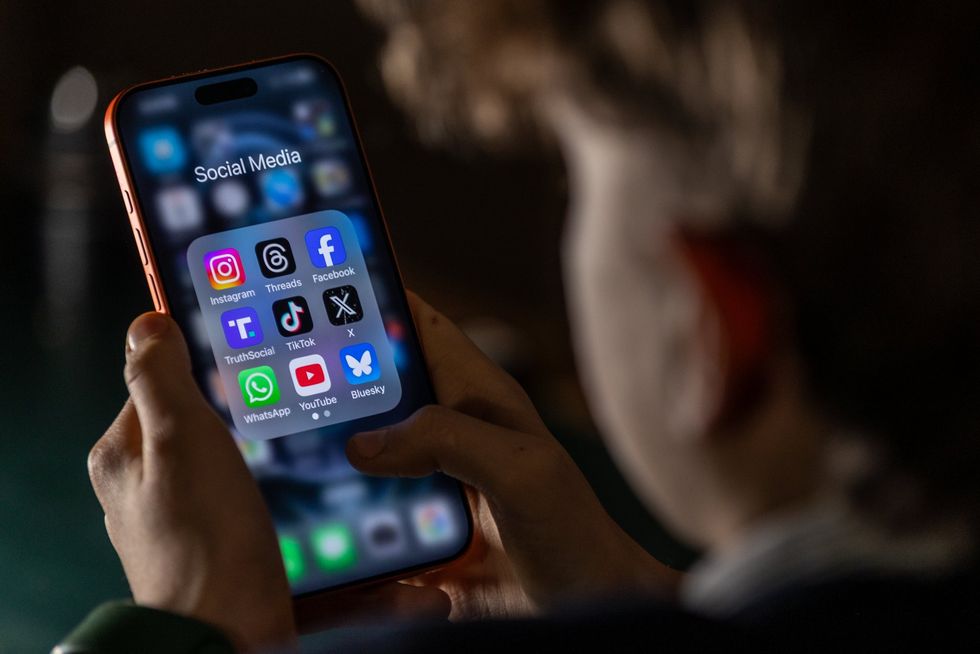
Social media apps could be banned under new legislation
| GETTY"I’m all in favour of it," he said.
"If I was a parent these days, I wouldn’t let my kids near screens for years and years and years - I would protect that space with everything I had."
"I would say this very clearly - these devices are not neutral tools. They are designed to capture attention, to hook attention, to hold a child’s mind captive - and they do it relentlessly."
"They pull children away, not just from their parents, but from themselves."
LATEST DEVELOPMENTS
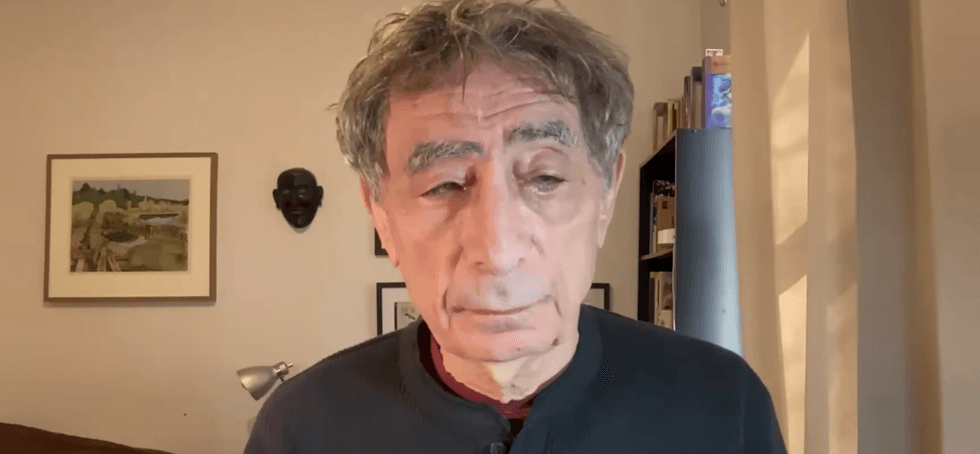
Dr Gabor Maté issued a warning about the "distraction"
|CARE VISIONS TALKS
Yet Dr Maté warned that the political focus on phones risks becoming a distraction from deeper structural problems affecting children - including parental stress, economic pressure and the erosion of time spent together.
He suggested that, without addressing those root causes, any ban risks becoming a short-term fix rather than a lasting solution.
In his view, devices are not the root cause of distress - but a coping mechanism children turn to when something more fundamental is missing.
He said: "These devices are a substitute for something...And what they are substituting is something absolutely essential - human connection. You know what they’re a substitute for? Contact with healthy, nurturing adults."
Dr Maté continued: "Kids turn to these devices because something inside them is hungry - hungry for connection, for attention, for relationship.
"When that hunger isn’t met, they will reach for whatever is available - and the screen is always there, glowing, inviting, never saying no."
Dr Maté argues that the technology boom has collided with rising stress within families - creating what he describes as a "perfect storm" for childhood anxiety.
He said: "The fundamental issue is not the screens. They’re a terrible influence - yes - but they are not the root. They engage the same brain circuits as addiction - the same craving, the same pull, the same loss of control. But they take hold most strongly where something else is missing.
He pointed to research suggesting heavy screen use can affect how children’s brains develop, which he believes is compounding problems in modern family and parental connection.
Dr Maté continued: "There have been brain studies on kids - and what they show is deeply concerning. The more screens they watch, the more we see impacts on empathy, on emotional intelligence - on the very capacity to feel another human being. If you lose that, you lose something profoundly human."
But he added: “We’re living in a toxic culture now and I don’t say that lightly, I say that because I see the consequences every single day. That culture disconnects people from each other, it overwhelms parents, it leaves children emotionally adrift.
"Anxiety is rising, self-harm is rising, eating disorders are rising, depression is rising - and these are not random. These are signals - signals of distress.”
 The UK Government is launching an experiment to determine if a social media ban for children under the age of 16 will be effective | SORA | GB NEWS
According to Dr Maté, the stress experienced by parents is one of the most overlooked drivers.
"When a parent is stressed, distracted, overwhelmed - the child feels it. They don’t need to be told - they absorb it, they live it. When the parent cannot be fully present, the child experiences that as a loss - a deep, invisible loss."
He added that the impact can begin before birth, adding: "When a mother is stressed during pregnancy, that stress is shaping the baby’s nervous system, because the mum’s stress hormones cross the placenta to the baby’s brain,” he said. “Which means pregnant women need a lot of support from society and family."
"That child is already learning, before birth, that the world is not a safe place."
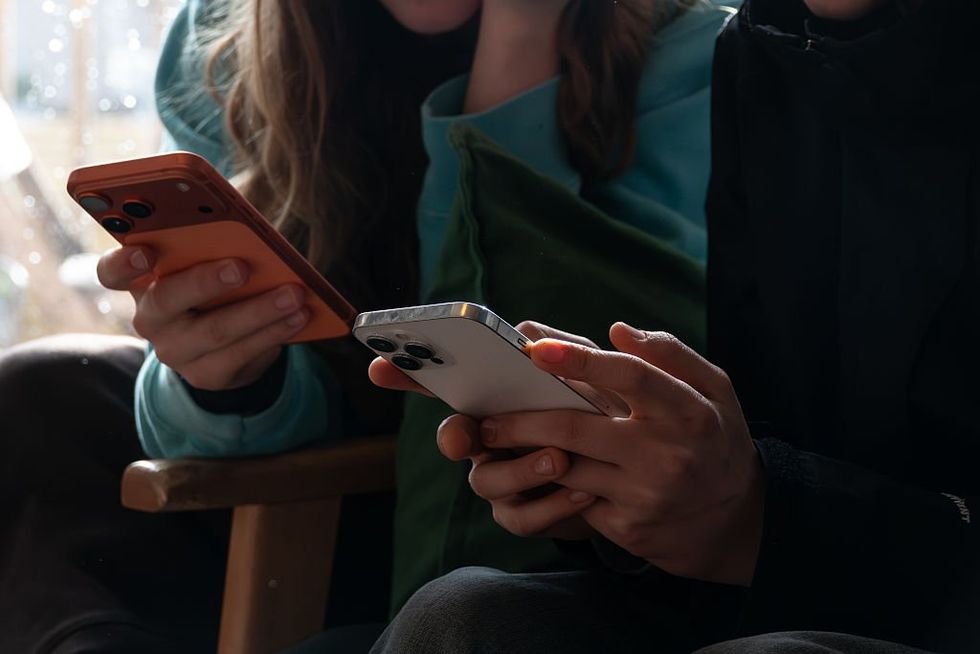
Dr Maté said corporations are 'harvesting' the attention of children
|GETTY
He also warned that modern Western life has drifted far from the environments children evolved to grow up in.
Dr Maté said: "We evolved in communities - in connection - surrounded by caring adults. Now we have isolation, pressure, exhaustion - and we expect children to thrive in that. It’s not surprising they struggle - it would be surprising if they didn’t."
While backing restrictions on tech companies, he added: “These corporations are not raising your children. They are harvesting their attention. And your child’s attention is incredibly valuable - because it can be turned into profit.
"These devices are filling a gap. And unless we ask what that gap is - unless we have the courage to look at it - nothing changes.”