

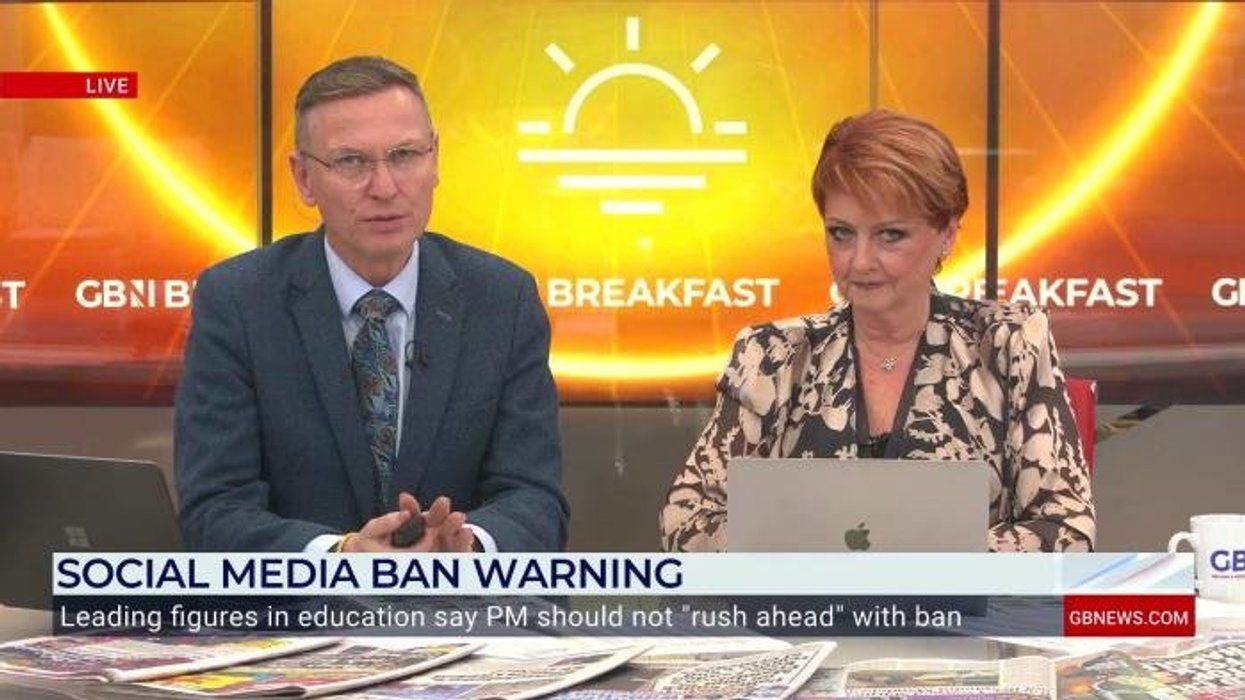





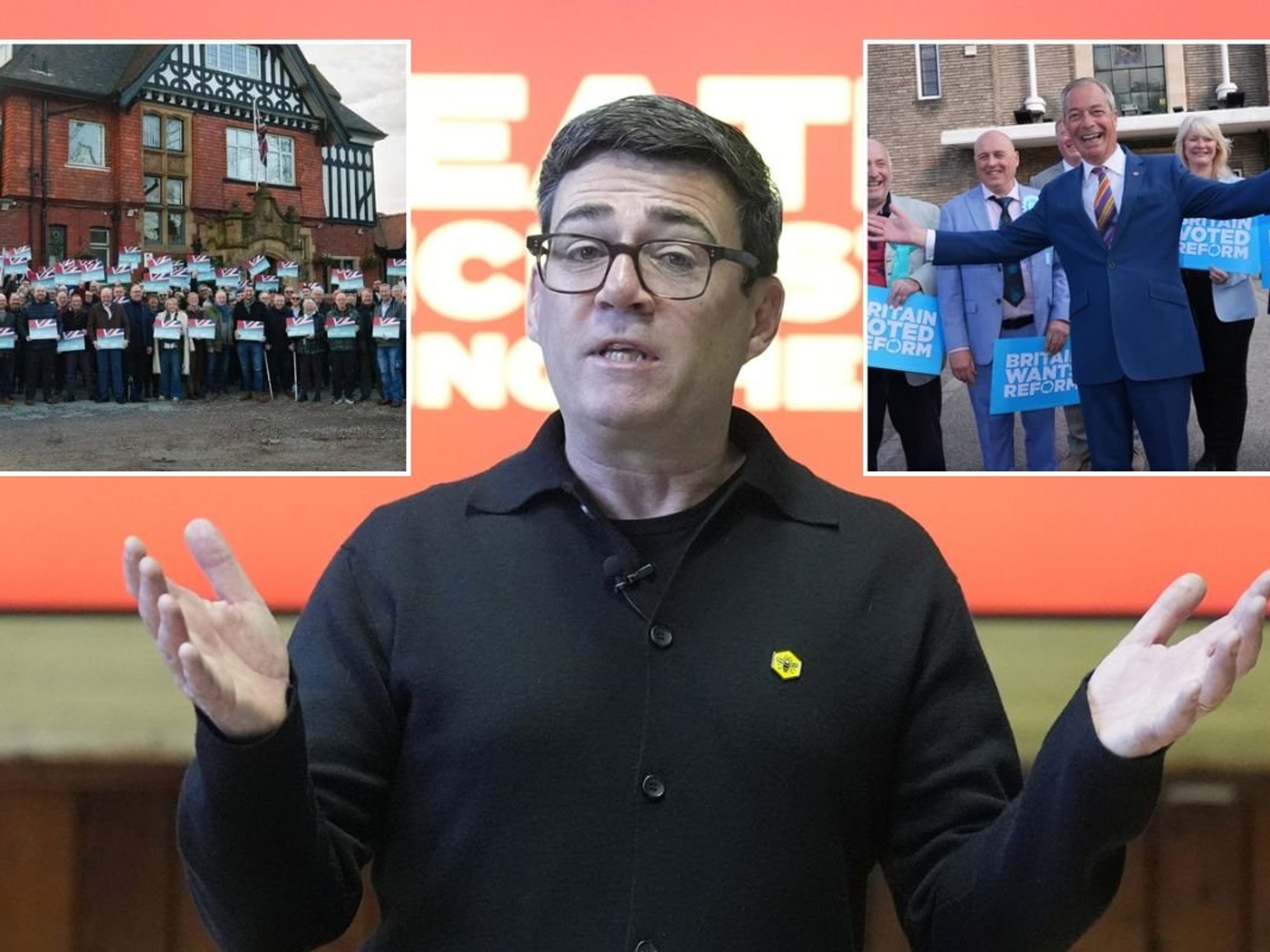
Sir Keir Starmer has been urged to "not rush ahead" with implementing controversial proposals banning children under the age of 16 from accessing social media platforms.
The policy has won the backing of senior Labour politicians, including Scottish leader Anas Sarwar, who urged the Prime Minister to follow Australia in restricting children's smartphone access amid what he called a "mental health emergency".
But as the Cabinet considers whether to enforce a national age limit for platforms such as Facebook and TikTok, leading charity figures and education experts have warned ministers to slow down passing a new bill or risk writing a bad law into the statute book.
Last month, the House of Lords voted to support a ban on under-16s using social media in the UK by 261 votes to 150.
Under the amendment to the Children's Wellbeing and Schools Bill, lawmakers would recieve 12 months to decide which applications and websites should enforce strict age-verification measures.
The Government also launched a three-month public consultation on banning social media for pupils earlier this month as a part of a series of measures it claims are intended to "protect young people's wellbeing".
TRENDING
Stories
Videos
Your Say
Avnee Morjaria, Associate Director for public services at the Institute For Public Policy Research, a pro-Labour think-tank, said "there’s more likely to be backlash if it’s done too quickly".
The former teacher, Ofsted inspector and special advisor at the Department for Education told GB News: "My advice for the Government is to consult and not rush into this.
"I think they should go ahead and do it, but on a slower timescale than the amendments that have been accepted in the Lords, so that we can do it well.
"Who even knows what a blanket ban is? Does it include all apps, all platforms, and where does the age cut-off actually sit? All of that needs to be worked out in consultation with the public."
Sir Keir Starmer has been issued a warning over a policy
| GETTYHowever, Daisy Greenwell, co-founder of Smartphone Free Childhood, argues the ban would provide a much-needed "reset".
She told the People's Channel: "We now know the harms they’re causing to children everywhere, from suicide and mental health problems to the everyday harms every child experiences on these platforms.
"Kids get around rules on alcohol and smoking, but that doesn’t mean we abandon the rules altogether... We need to make the tech companies responsible for keeping underage kids off their platforms, rather than leaving parents to police it alone."
When asked about what advice she would offer the PM, Ms Greenwell stated: "Delaying isn’t neutral. It’s harming millions of kids. They need to be bold and listen to parents."
LATEST DEVELOPMENTS
In Australia, publishers that fail to comply with the country's social media ban introduced last year could face penalties of up to A$49.5million (£25.3million).
Minister for Communications Anika Wells told the Australian Parliament: "We sent a clear message to big tech to let Australian kids be kids.
"Every social media account that we deactivate is an extra opportunity for young Australians to make a connection in real life, to play sport, to listen to music, to learn an instrument or to read a book from the library."
Other nations — including Spain, France and Denmark — are in the process of introducing their own laws.
Spain has recently announced plans to bring in a ban
|REUTERS
Joe Ryie, co-founder of Smartphone Free Childhood, commented: "This is probably the largest grassroots mobilisation on children’s online safety anywhere in the world."
Critics in Britain have raised concerns about the impact a ban could have on young people in rural communities.
Britain's News Channel questioned Mr Sarwar about the ban's impact in remote areas such as the Highlands and Islands.
The Glasgow Central MSP responded: "I firmly believe we need our young people to be connected. The challenge I would make, though, is that I think social media is actually making us more disconnected rather than connected.
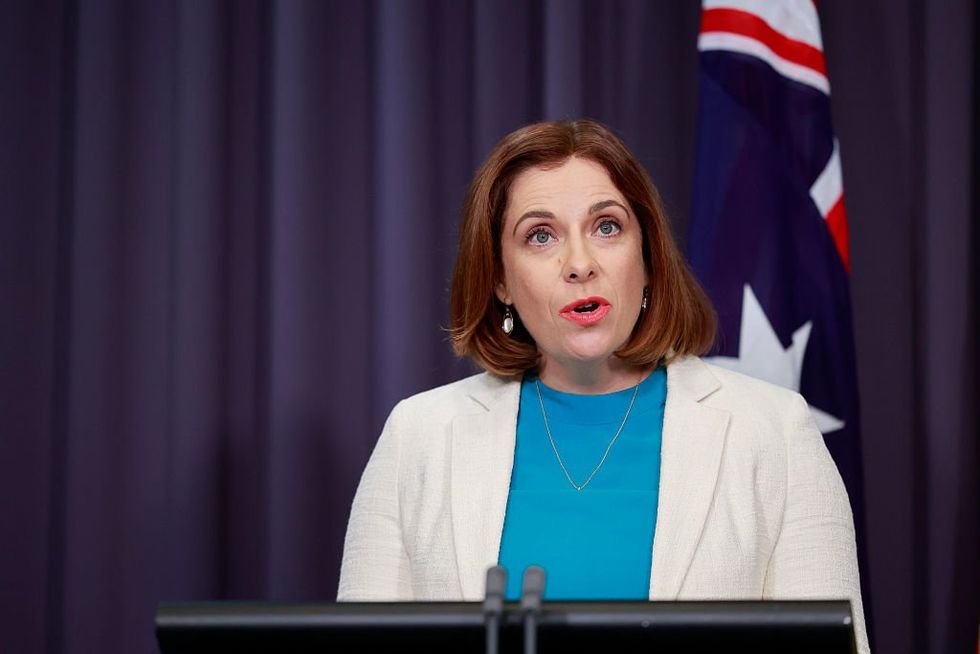
Minister for Sport and Communications Anika Wells spearheaded the calls for a ban
|GETTY
"So yes, they may feel a false connection to a social media personality, but what has happened to the human connections: human connections within their own household; at school; in their own communities?"
Mrs Greenwell added: "It’s not that kids aren’t allowed on the internet or to message their friends, it’s about the worst platforms that are harming them.
"We need to make the tech companies responsible for keeping underage kids off their platforms, rather than leaving parents to police it alone."
Some academics have argued strongly against the ban, suggesting there is "no evidence that bans work to make children’s lives better".
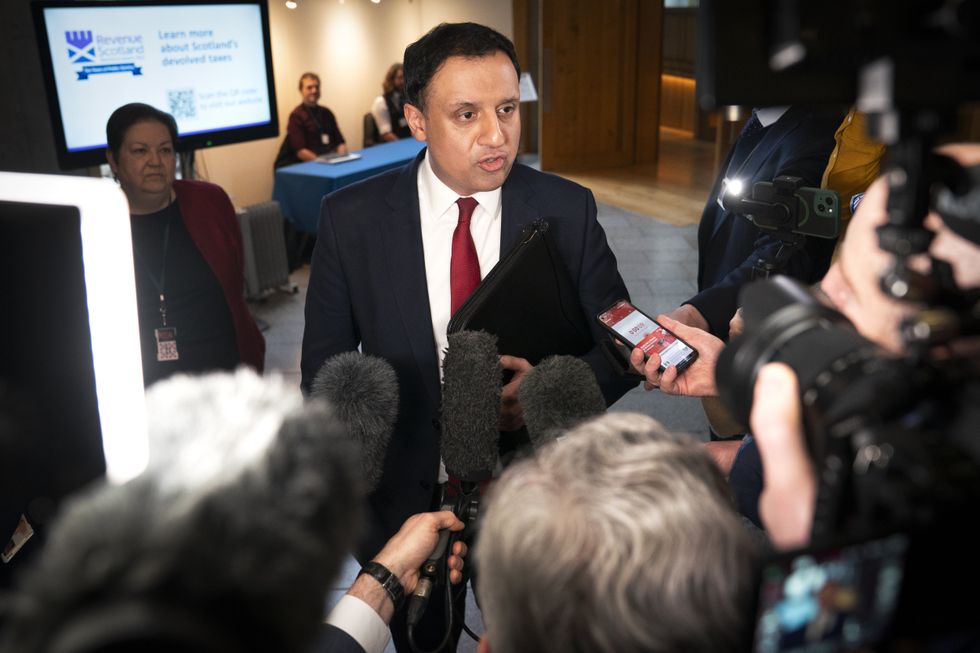
Anas Sarwar has come out in support of the ban
|PA
Professor Sonia Livingstone, from the London School of Economics, insisted "many important questions remain unresolved", including whether the ban will include gaming platforms which have been linked to harms against minors.
She stated: "Although it is widely agreed that something must be done, there is no agreement on what that should be."
Silkie Carlo, the Director of Big Brother Watch, called the proposals "an extreme, authoritarian act of state censorship" in light of privacy and data security concerns.
"This is one of those policies that crumbles when it touches the real world," she wrote in The Telegraph. "There are only digital ID checks for every single one of us."
Concerns have been raised about the scope of the ban
|GETTY
Others have highlighted the fact the ban could draw children onto the dark web where they may be exposed to harmful or illegal content.
Leigh Middleton, Chief Executive at the National Youth Agency, added: "The banning of social media for under-16s is not proven to protect young people."
Mary Glasgow, Chief Executive of Children First, told the Family Talk podcast: "We may force some of the most vulnerable children into corners of the dark web, where they will be even more vulnerable than they are currently."
Teenagers, Ms Glasgow claims, are already adept at bypassing age, using remote servers, Virtual Private Networks (VPNs) and fake IDs.
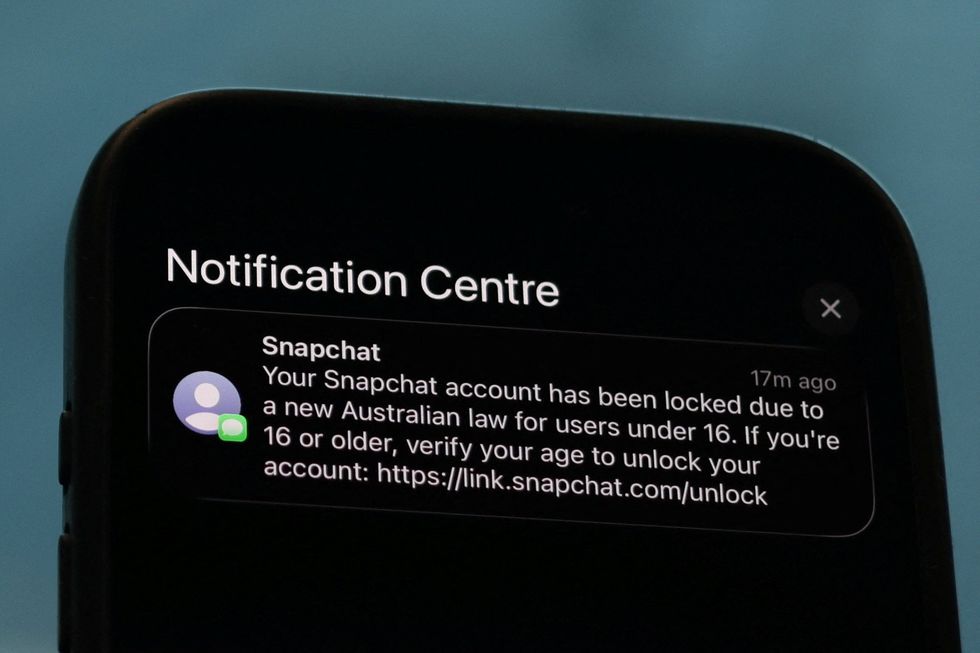
Britain could follow Australia's lead in introducing a ban
| REUTERSWhen pressed about potential loopholes, Mr Ryie replied: "Some kids will always find workarounds, but that is not a reason to abandon protection altogether."
Meanwhile, secondary school pupils in Yorkshire aged 12 to 15 will take part in a six-week study led by the University of Cambridge and the Bradford Centre for Health Data Science to test whether limiting social media use improves teenagers’ mental health.
Around 4,000 participants in Bradford will install a custom app that can restrict access to platforms such as Snapchat and Instagram.
Those in the intervention group will have daily time limits and a curfew banning social media use between 9pm and 7am, while a control group will use apps as normal.
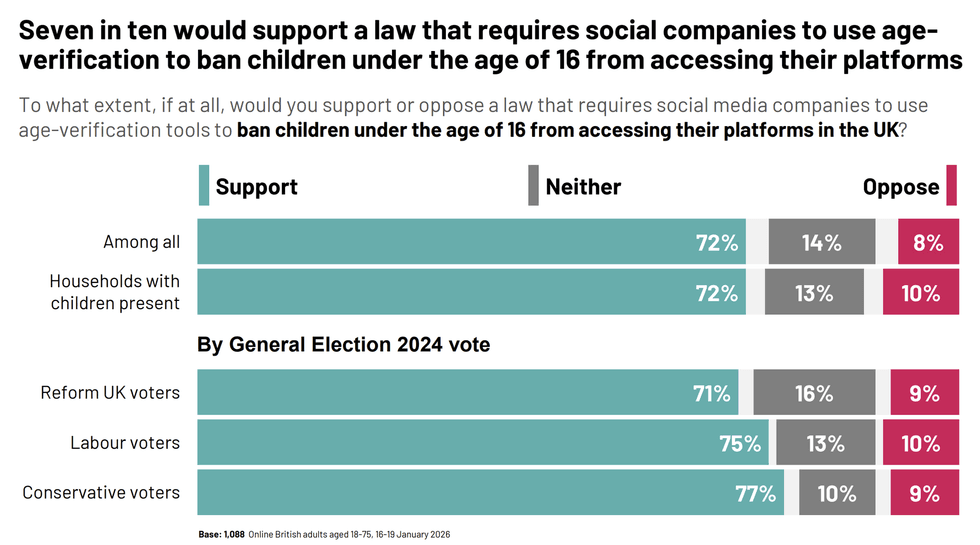
A poll suggesting there is support across the political spectrum
|IPSOS
Researchers will compare self-reported anxiety, depression and sleep, as well as bullying and time spent with family, with the results expected to be published next summer.
Dr Dan Lewer, the study's co-lead, said: "We talk a lot to teenagers, a couple of things we’ve learned, they’re very aware of the potential harms of social media, they talk about sleep, late-night scrolling, displacement of real-life relationships, online bullying, all those kind of mechanisms."
A recent poll by Ipsos suggested banning phones from schools is consistent across political lines, with 60 per cent of Reform UK voters, 59 per cent of Labour voters and 62 per cent of Conservative voters backing a ban.
Support for age restrictions remains widespread, with 71 per cent of Reform UK voters, 75 per cent of Labour voters and 77 per cent of Conservative voters all backing social media firms using age-verification to block children from accessing their platforms
Laura Trott, the Shadow Education Secretary, said: "This policy is the start of a societal shift that we need to make to show that social media and screens are not safe for children."
Victoria Collins, the Liberal Democrats' science spokesman, added: "We must tackle the toxic algorithms that drive doom-scrolling, without blocking the educational guides and family chats teenagers really need."
Yet despite their voters' opinions, Nigel Farage's Reform UK has come out against the proposals, saying "restricting freedom of speech and making information more difficult to access is not the solution".
In a statement, the Department for Science, Industry and Technology wrote: "We’ve always said we must be led by the evidence, and right now there’s no clear consensus on the best way forward.
"That’s why we’re launching a consultation exploring a broad suite of options to keep children safe and enhance their lives online, from raising the digital age of consent and tightening age‑verification, to curfews, design changes that curb addictive features, and a potential ban for under‑16s.
"We want to hear from experts and young people before we act, because the question isn’t whether we act, but how we do so most effectively."
Our Standards: The GB News Editorial Charter
More From GB News