






A groundbreaking artificial intelligence-driven cancer testing system is set to help save lives by showing doctors which drugs are most likely to work before treatment even begins.
The breakthrough technology allows scientists to grow tiny living replicas of a patient’s tumour in the lab, then bombard them with dozens, or even hundreds, of different drugs and drug combinations to see what works best.
AI then analyses the results at speed, giving doctors a far clearer idea of which treatment is most likely to hit that specific cancer.
The UK-funded company at the forefront of the research, PreComb, says it is now working on cancers including small-cell lung cancer, bowel cancer, bone cancer and adult and children’s brain cancers.
TRENDING
Stories
Videos
Your Say
Experts say it could transform care for thousands of patients and buy time or potentially save the lives of those with deadly tumours.
Each year, around 412,000 people in the UK are diagnosed with cancer – the equivalent of one every 75 seconds. More than 100,000 go on to receive chemotherapy.
But despite its widespread use, chemotherapy drugs are still often given without doctors knowing in advance which drug or combination of drugs work for each patient
That is because cancer is not one disease. Even tumours that appear similar can behave very differently depending on their mutations, resistance mechanisms and biology.
Many patients endure toxic side effects from drugs that ultimately do little to stop their cancer. Scientists believe the new approach will change that.
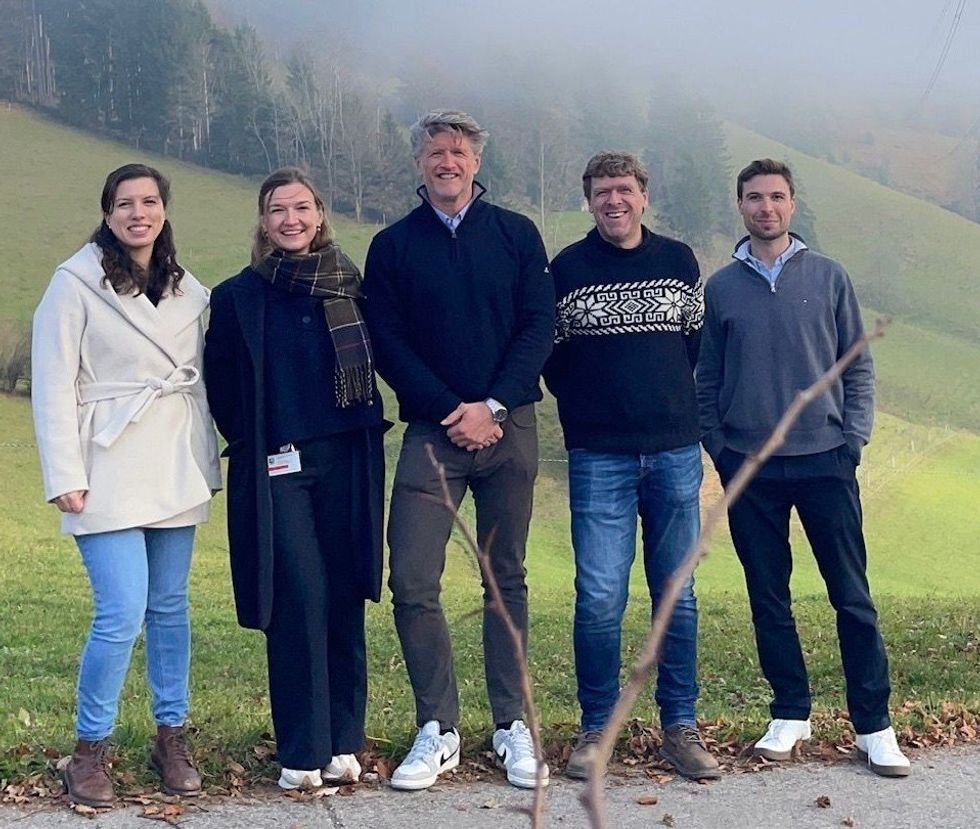
PreComb is at the forefront of the research
|SUPPLIED
Instead of choosing drugs based mainly on what worked on average in previous patients, researchers can now test treatments directly on living tumour material taken from the patient themselves.
Professor Javad Nazarian, an oncology scientist at the University of Zurich, is now using the technology for children with aggressive brain cancers.
“These are very deadly tumours, and, in many cases, they are still incurable,” he said. “Until now we have not had a reliable way of seeing and measuring how a patient’s cancer is responding to drugs. Now we have a new monitoring and AI-driven drug-screening platform that allows us to test therapies directly on tumour cells from the patient.”
Doctors remove a small piece of tumour tissue, and scientists grow living cancer cells from it in the lab, effectively creating a miniature version – or "avatar" – of the patient’s cancer.
LATEST DEVELOPMENTS
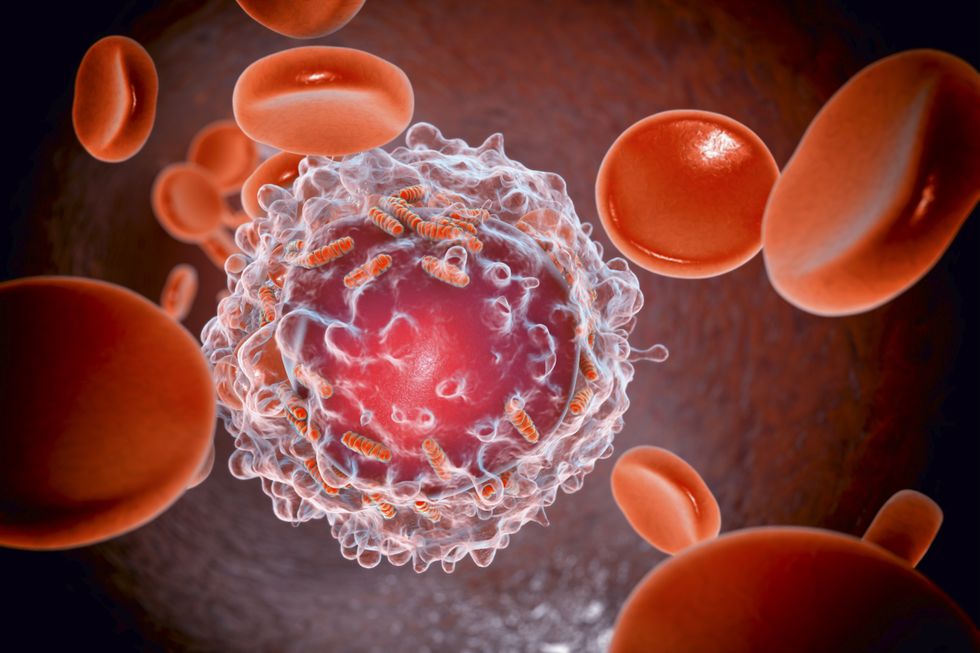
The AI-driven cancer testing system is set to help save lives
|GETTY
Those "miniature tumours" are then exposed to a wide panel of drugs chosen according to the tumour’s genetic profile.
Professor Nazarian said his team can test more than 120 drugs that may match a patient’s tumour biology.
Unlike standard chemotherapy, which attacks all fast-growing cells, the aim is to identify treatments that target the tumour more precisely.
Over two to three weeks, the platform monitors what happens to the cancer cells.
AI analyses thousands of images to work it whether they are growing, stabilising or dying off.
Professor Nazarian said: “When fully developed the system will give doctors a far clearer view of what is happening. We can tell if the cells are expanding or falling,” he said. “The AI platform helps us see whether tumour cells are dying, proliferating or becoming dominant. That could hugely advance the way we treat patients.”
For brain tumours, where clinicians often have only a narrow window after surgery to decide on treatment, that speed could be crucial.
“In many cases we have only a few weeks to think about how we treat,” he said. “It could be a game-changer.”
Professor Nazarian revealed one child who had been expected to live for only three months survived for 19 months after doctors used the screening approach to guide treatment.
“The tumour eventually recurred, but some of it disappeared, extending survival,” he said.
The PreComb system uses automated robotics and “well plates” which contain the miniatures of the original tumour, allowing high numbers of drug tests to be run at once.
Chief Executive of PreComb, Hal Bosher, said: “Our platform generates around 5,500 images per test, and with the advent of AI and machine learning we can now process that data and get meaningful outcomes.”
He said the tests are carried out by robots, with drugs delivered into hundreds of tiny wells containing tumour cells or tissue.
The company says it has now run 371 screens, generating more than 1.1 million tumour images, across 272 different drugs.
Our Standards: The GB News Editorial Charter