










Fresh analysis from Diabetes UK points to a stark generational divide in type 2 diabetes diagnoses among British women.
Figures show that between 2017–18 and 2023–24, diagnoses among women under 40 rose by 47 per cent - more than double the increase seen in women aged 40 to 79, whose rates climbed by 22 per cent over the same period.
The charity suggests inadequate post-natal monitoring for women who experienced gestational diabetes during pregnancy may be driving this alarming trend.
Gestational diabetes, which develops when expectant mothers cannot generate sufficient insulin, typically resolves after delivery but leaves women at heightened risk of developing type 2 diabetes later in life.
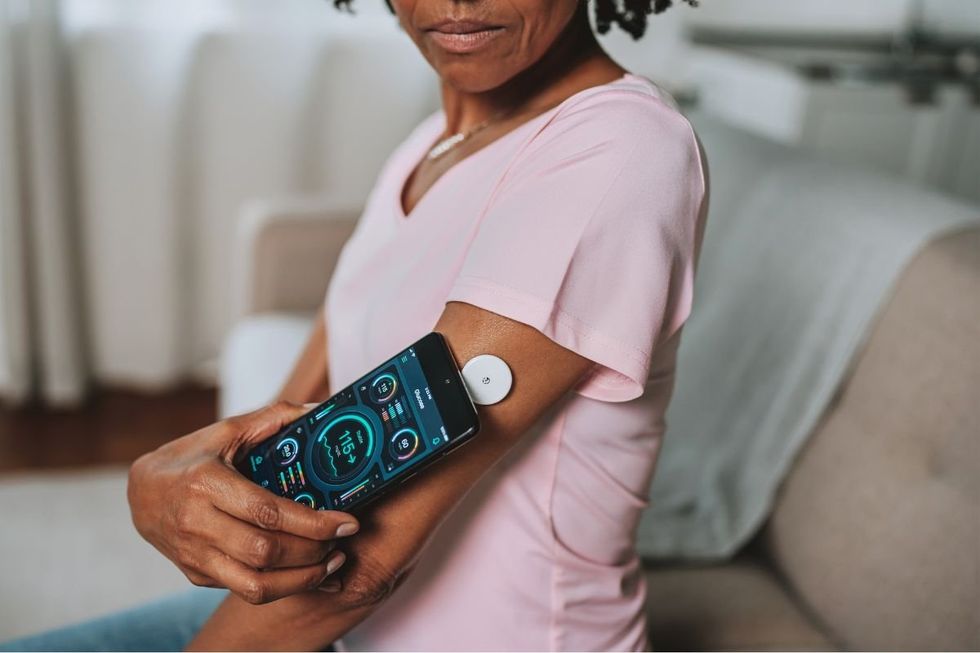
Approximately 4.7 million people are currently living with a diagnosis in the UK
|GETTY
The condition affects between 10 and 20 per cent of pregnant women across Britain.
Guidelines recommend that women who develop gestational diabetes should receive HbA1c blood tests to screen for diabetes within six to 13 weeks following birth, with annual checks thereafter.
However, NHS England's inaugural gestational diabetes audit, published last year, painted a concerning picture of follow-up care.
Just 57 per cent of women received their annual HbA1c test after experiencing the condition during pregnancy.
The audit further revealed that 11 per cent of affected women developed prediabetes within 12 months, whilst 15 per cent progressed to type 2 diabetes within a decade.
Colette Marshall, chief executive at Diabetes UK, said: "These figures should be a wake-up call.
"Type 2 diabetes is rising twice as fast in younger women compared to older women, and a crucial opportunity for prevention is being missed."
She added: "Every diagnosis is life-changing, but when it develops in younger people, type 2 diabetes is even more aggressive. Pregnancy shouldn't be a pathway to ill health."
LATEST DEVELOPMENTS:
Meg, a 33-year-old teacher from Somerset, exemplifies these failings. Diagnosed with gestational diabetes in 2020, she has received no post-natal diabetes check-up in six years.
She said: "I was given no information about my increased risk of developing type 2 diabetes and the steps I could take to prevent it."
Diabetes UK has written to Baroness Merron, the women's health minister, demanding urgent improvements to post-natal support for women affected by gestational diabetes.
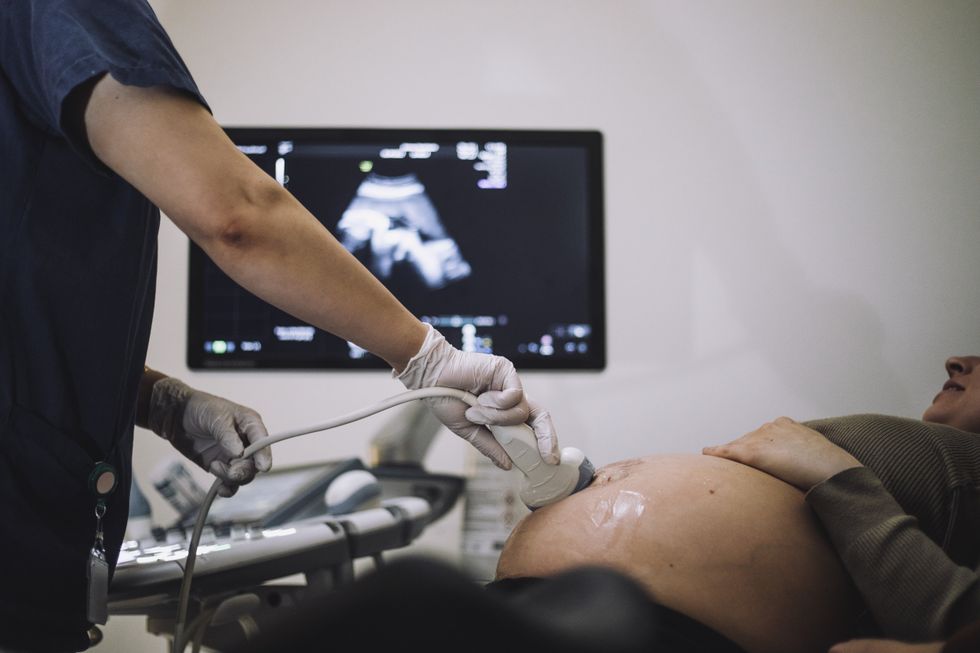
Inadequate post-natal monitoring may be driving this alarming trend
|GETTY
Ms Marshall said: "As the Government turns its strategy into action, support for women who have had gestational diabetes must not be overlooked."
The scale of diabetes across Britain remains substantial, with approximately 4.7 million people currently living with a diagnosis.
Diabetes UK estimates that a further 1.3 million individuals have undiagnosed type 2 diabetes, suggesting the true burden of the condition is considerably greater than official figures indicate.
Our Standards: The GB News Editorial Charter