





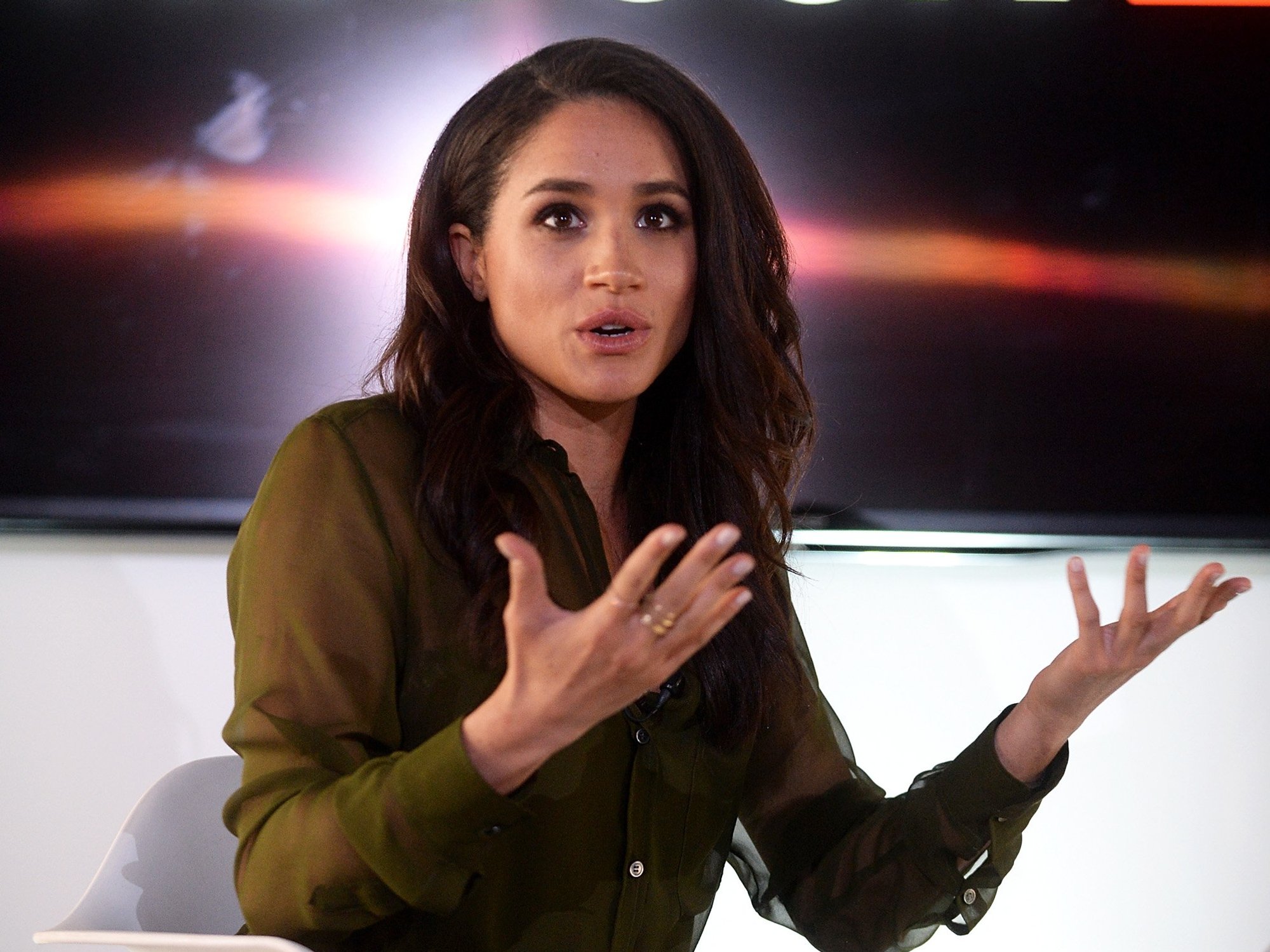
Bafta has found itself under fire from a number of British cinema fans after it released the longlist for this year's awards ahead of its annual ceremony in February.
Paul Thomas Anderson's political thriller One Battle After Another secured a record-breaking 16 mentions on the longlist, surpassing the previous high of 15 achieved by Emilia Perez, All Quiet on the Western Front, Oppenheimer, Barbie, and Killers of the Flower Moon.
The Leonardo DiCaprio-led production dominated across major categories, including Best Film, Director, and all performance lists, with Chase Infiniti, Teyana Taylor, Benicio Del Toro, and Sean Penn also recognised.
Chloé Zhao's British historical drama Hamnet and Ryan Coogler's vampire horror Sinners trail closely behind, each accumulating 14 longlist appearances.
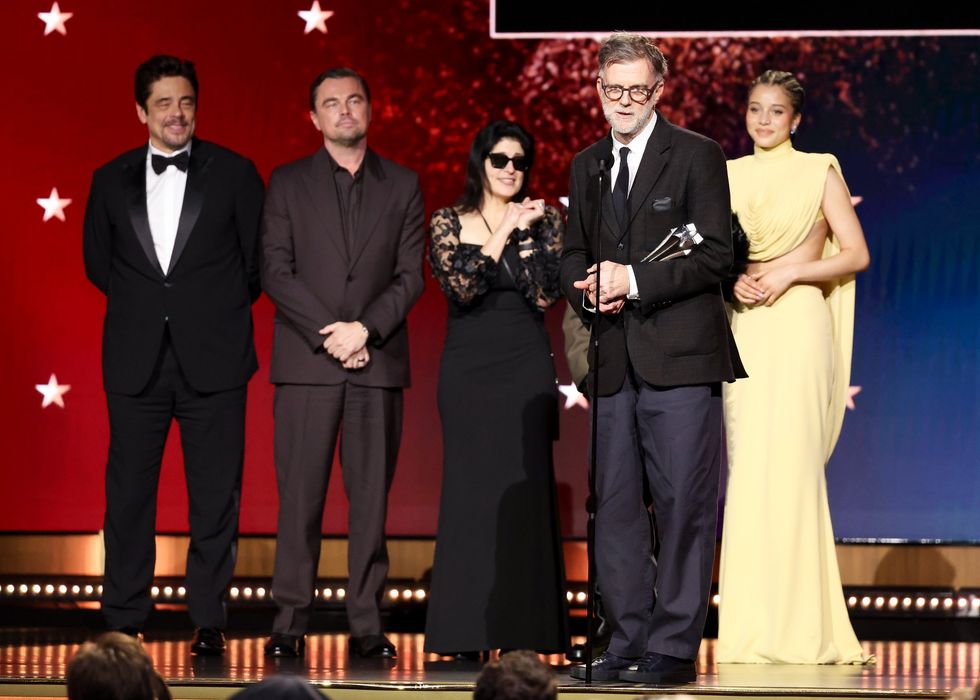
Leonardo DiCaprio's One Battle After Another has dominated the longlist
|GETTY
Josh Safdie's ping-pong comedy Marty Supreme follows with 13 mentions, whilst Yorgos Lanthimos's Bugonia and Guillermo del Toro's Frankenstein both secured 12 spots.
British representation in the Leading Actress category proved notably sparse, with just two homegrown talents securing longlist positions.
Cynthia Erivo earned recognition for her performance in Wicked: For Good, whilst Andrea Riseborough was acknowledged for her work in Dragonfly.
The pair face stiff competition from an international field that includes Irish actress Jessie Buckley for Hamnet and American star Jennifer Lawrence for Die My Love.
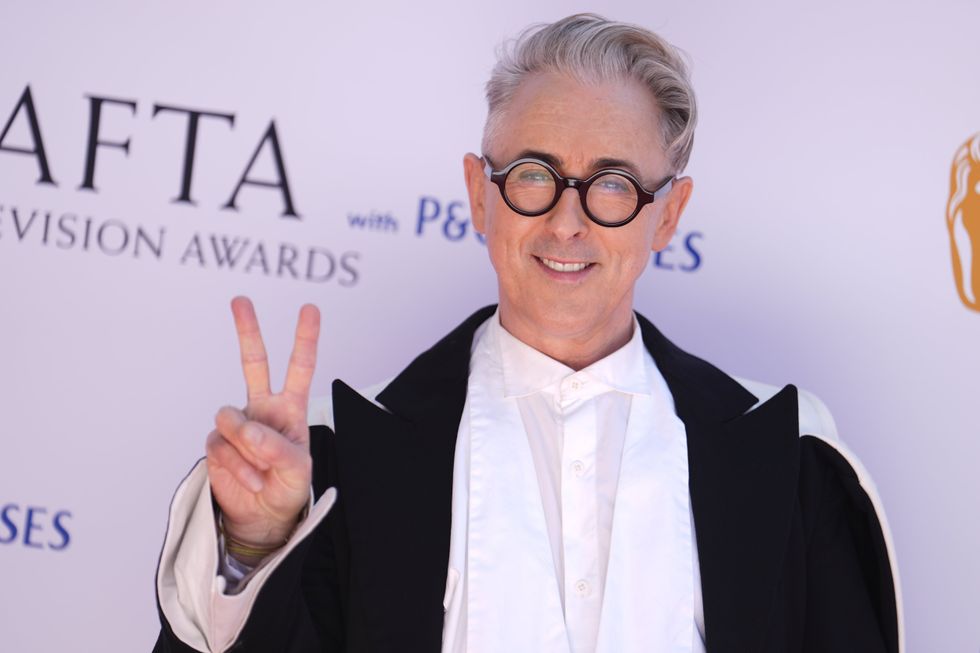
Alan Cumming will host this year's awards
|PA
Emma Stone received a nod for Bugonia, with Chase Infiniti recognised for One Battle After Another, Kate Hudson for Song Sung Blue, Rose Byrne for If I Had Legs I'd Kick You, Renate Reinsve for Sentimental Value, and Tessa Thompson for Hedda completing the 10-strong list.
The Leading Actor longlist similarly featured limited British presence, with Harry Melling and Robert Aramayo the sole representatives flying the flag among ten contenders.
Mr Melling secured his place through his performance in Pillion, whilst Aramayo earned recognition for I Swear.
They find themselves competing against a formidable international roster that includes Mr DiCaprio for One Battle After Another, Timothée Chalamet for Marty Supreme, and Cillian Murphy for Steve.
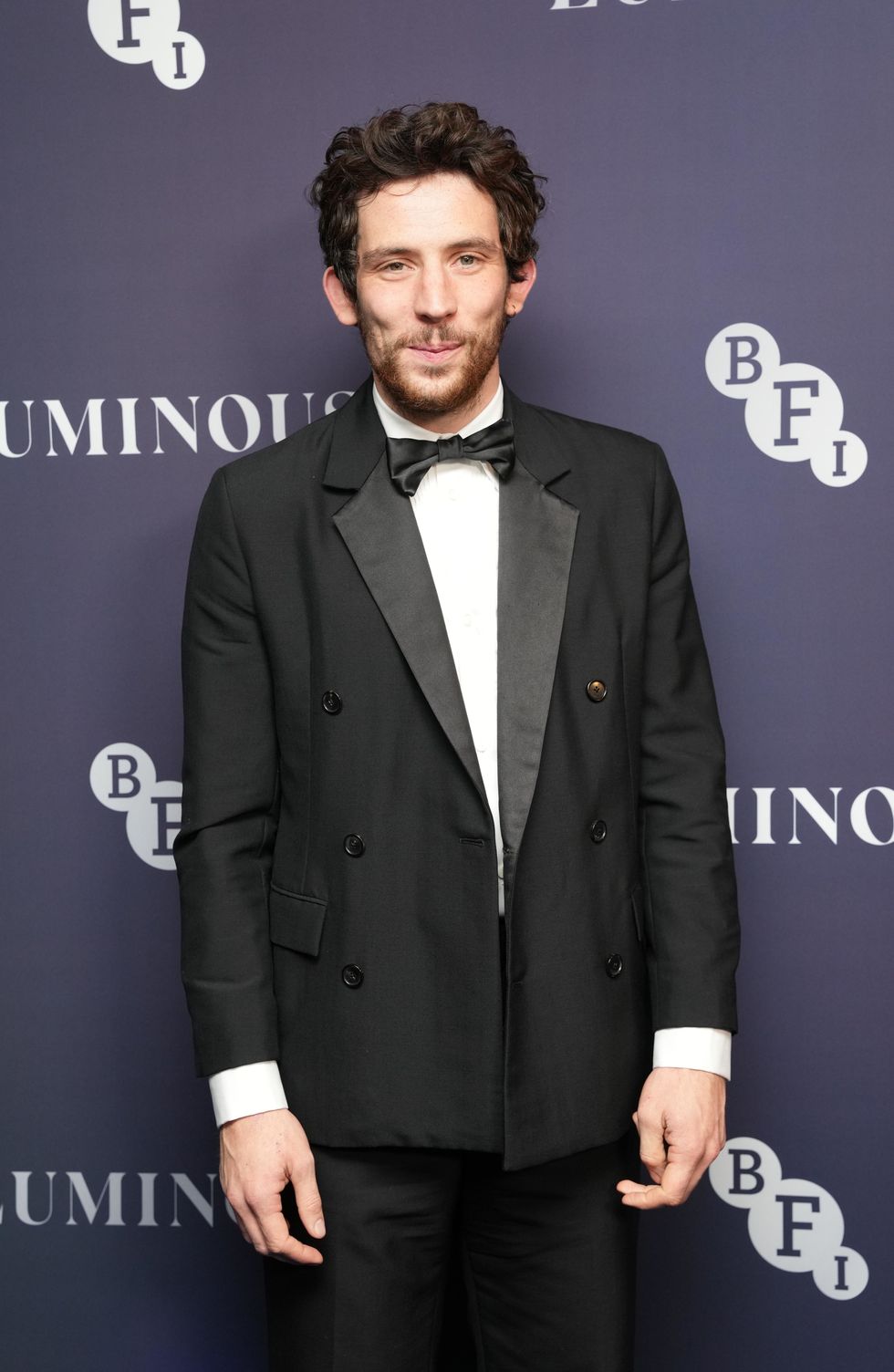
Knives Out star Josh O'Connor was one notable snub
|PA
LATEST DEVELOPMENTS:
Russell Crowe received acknowledgement for Nuremberg, with Michael B. Jordan recognised for Sinners and Jesse Plemons for Bugonia.
Joel Edgerton earned a spot for Train Dreams, whilst Ethan Hawke completed the lineup with his performance in Blue Moon.
The category drew from 108 eligible performances submitted for consideration by the British Academy.
Four of the 10 productions longlisted for Best Film were set in the United Kingdom, comprising Hamnet, The Ballad of Wallis Island, I Swear, and Frankenstein.
Among the complaints were fans of English actor Josh O'Connor. On X, one fan said of the star's omission: "A year after snubbing Daniel Craig (at least he made the longlist), BAFTA can’t longlist Josh O’Connor in anything.
"Are you allergic to your own British talent? (There’s no vote splitting excuse, as WUDM category frauded for supporting and The Mastermind was the clear lead play)."
Another took aim at the lack of British representation in the Best Picture category. "#Bafta longlist they don't have many British films in their best picture do they lol," they pointed out. (sic)
However, others weighed into the debate to argue that British cinema hadn't produced enough award worthy films over the past 12 months.

Film fans were unhappy with the Bafta longlist for several reasons
|X
Reacting to the longlist for Outstanding British Film, one X user argued: "British cinema is officially on life support if this pathetic list is the best they can do.
"Half of these are unnecessary sequels and the other half are boring period pieces designed to put people to sleep. BAFTA is just a participation trophy for a dying industry that’s lost its mind and its talent. Give it up already." (sic)
Elsewhere, another film fan bemoaned the absence of My Father's Shadow, a drama from British-Nigerian filmmaker Akinola Davies Jr.
"You can moan about Ann Lee or No Other Choice, but the real biggest disappointment of BAFTA is the general lack of love for My Fathers Shadow, which would’ve been great to see on Actor, British Film and maybe Film Not In The English Language," they suggested.
However, it wasn't just from supporters of British cinema that Bafta found itself under fire from.
Snubs for a number of international language films even sparked claims of "xenophobia" from social media users who argued Hollywood and London were over-represented in the list.
One X user argued: "Seeing a lot of people shocked with (again) the lack of international names for the bafta longlists, but honestly it's exactly what I expected from this very eurocentric white institution."
A second echoed: "As always, xenophobia and the lack of subtitle reading makes you the most unrepresented award. I hope that every year it loses more relevance."
"And, once again, you can be recognized here only if you're a Westerner. And I say that as a Westerner," a third weighed in before a fourth commented: "Tastless and xenophopic against films outside the European aesthetics as usual. The British Film category is so bizarre that it perfectly ilustrares the decline of the British film industry and the BAFTAs." (sic)