









Petrol and diesel drivers have faced another blow after Rachel Reeves's HM Treasury refused to offer car tax support for millions of older vehicles.
Officials have rejected calls to halve Vehicle Excise Duty (VED) for cars aged between 20 and 39 years old, stating there were no plans to change the current system.
The decision follows a parliamentary petition that has attracted nearly 40,000 signatures from campaigners demanding a 50 per cent cut in road tax for so-called "young-timer" vehicles, cars that are not yet old enough to qualify as historic, but are often considered modern classics.
In its official response, the Treasury said: "The Government keeps all taxes under review. The Chancellor makes decisions on tax policy at fiscal events in the context of the overall public finances."
TRENDING
Stories
Videos
Your Say
However, it made clear there are currently no proposals to reduce VED for this age group. The petition was launched by Heitor Mazzotti and needs 100,000 signatures before it can be considered for debate in Parliament. It has until August 6 to reach that target.
Supporters argued high tax rates are forcing perfectly usable cars off the road. They warn this is creating a "disposable" car culture where older vehicles are scrapped instead of repaired.
Campaigners warned keeping a 20-year-old car running can often be greener than buying a new one. They argued the carbon used to manufacture the vehicle has already been spent, and scrapping it early wastes that embedded energy.
The petition called for a new "Transition to Historic" discount. This would create a lower tax band for cars aged between 20 and 39 years old, bridging the gap before the existing 40-year exemption kicks in.
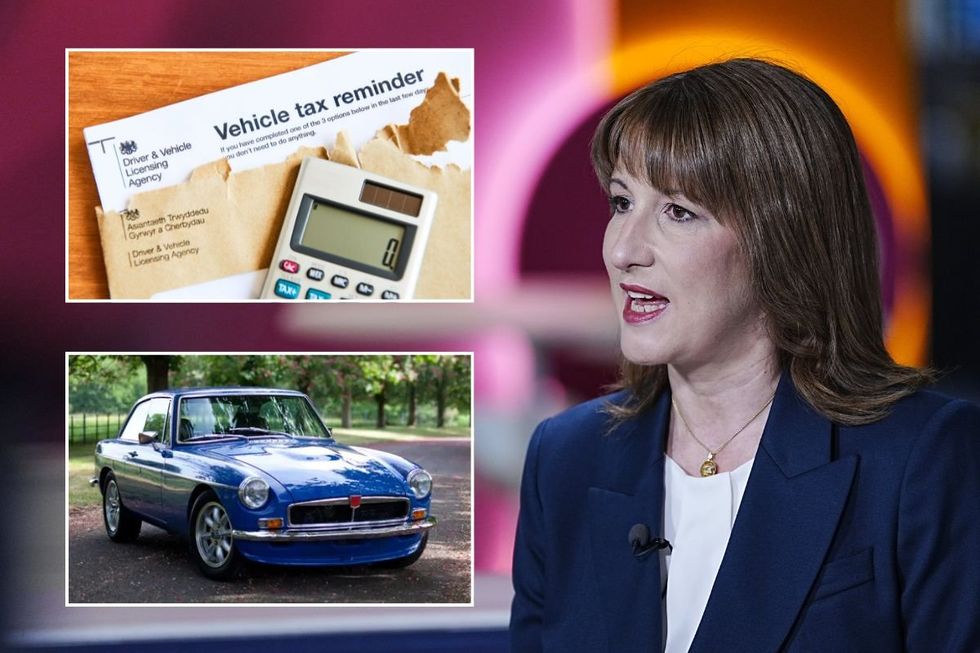
The Treasury has ruled out VED cuts for older cars in its response to a landmark petition
| GETTY/PACurrently, vehicles become fully exempt from VED once they reach 40 years old under rules introduced in the 2014 Budget. At present, cars built before January 1985 pay no road tax. From April 2026, vehicles built before January 1986 will also qualify.
The Treasury said there is no formal legal definition of a classic car, but 40 years has been judged a "reasonable distinction" between historic vehicles and those that are older.
Under the existing VED system, how much drivers pay depends on when the car was first registered. Cars registered before March 2001 are taxed based on engine size.
Vehicles registered between March 2001 and April 2017 are taxed according to their CO2 emissions. A newer system introduced in April 2017 applies only to cars registered after that date.
LATEST DEVELOPMENTS
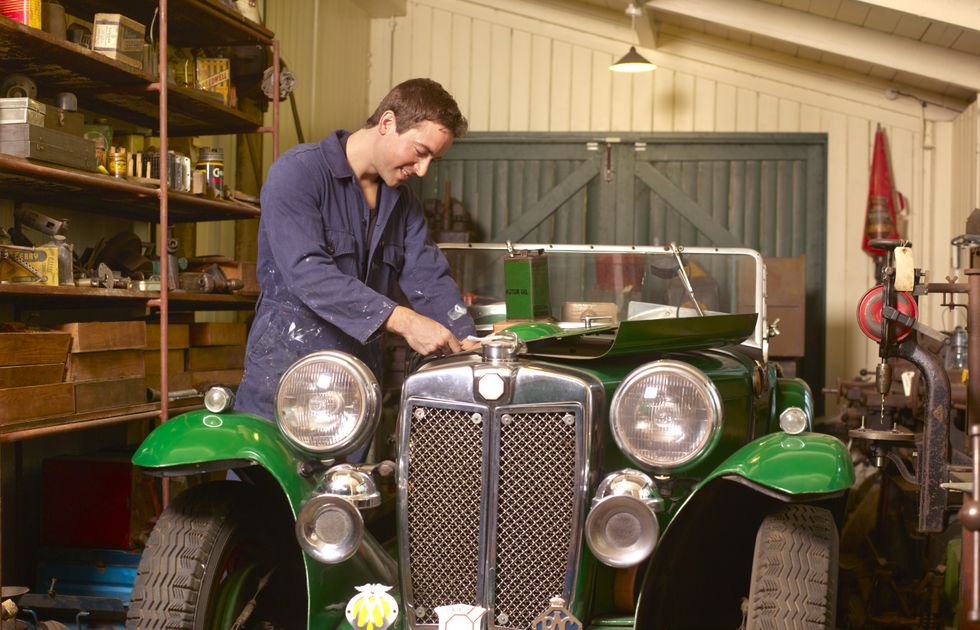 The classic car industry provides billions of pounds to the UK economy every year | GETTY
The Government defended its stance by pointing to the importance of motoring taxes in funding public services and road repairs.
A Treasury spokesman said revenue from VED helps pay for "essential public services and infrastructure". Ministers have pledged more than £2billion a year by 2029/30 for local road maintenance, double the amount when they took office, including funding to fix potholes.
The Treasury also rejected claims that scrapping older petrol and diesel cars was worse for the environment than keeping them on the road.
Citing 2022 research from the Department for Transport, it said manufacturing emissions for a typical medium-sized petrol or diesel car account for "less than 20 per cent" of its lifetime emissions. Most emissions, it said, come from fuel production and exhaust fumes.
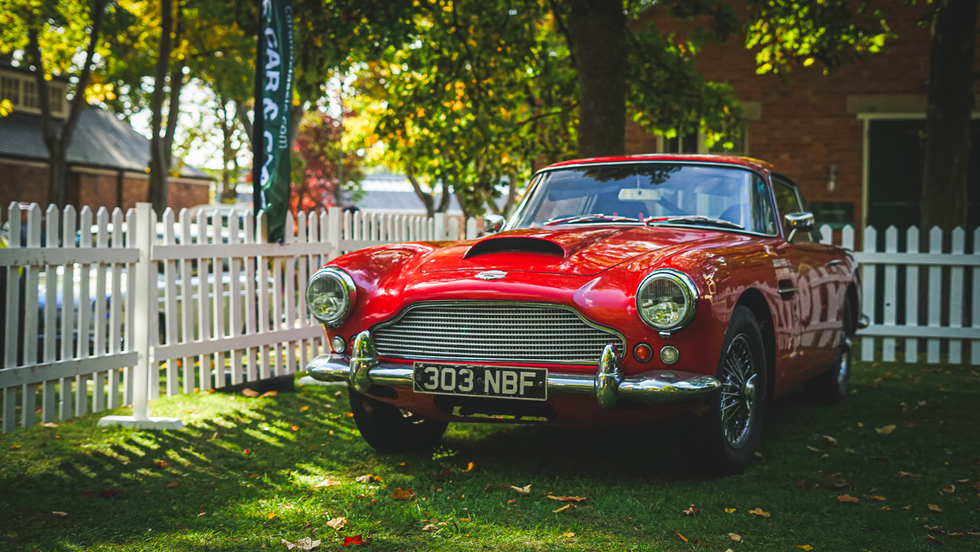 Historic vehicles do not have to pay car tax if they were built more than 40 years ago | CAR AND CLASSIC
Industry figures suggested the high tax burden is already hitting drivers hard. Popular family models such as the Ford Mondeo, Saab saloons, Volkswagen Golf and Vauxhall Zafira are increasingly being scrapped or exported.
Higher emission cars can face annual bills of between £735 and £760, with some rates set to rise again from April 2026.
Wayne Lamport, who runs Stone Cold Classics in Kent, warned some 2000s models are becoming impossible to sell. He told The Telegraph: "We have to be very careful when we buy stock which is 2006 or more recent. Cars such as a Jaguar X-Type are great, but who wants to pay more than £700 for the annual tax?"
He added vehicles like the Chrysler PT Cruiser have become "virtually unsellable" once buyers realise how much road tax they will have to pay each year.
Our Standards: The GB News Editorial Charter