








Meta ditched end-to-end encryption from Instagram earlier this month, leaving messages sent via the photo-sharing social network exposed. With end-to-end encryption gone, Meta has the power to search, scan, or read any text messages, pictures, videos, or voice notes sent via its messaging service.
This could be used to better target its ads or report users for content sent within the app.
For those who don't know, end-to-end encryption is a technique that sees all communication encrypted on-device before it's sent. Only the intended recipient has the key to decrypt incoming messages, ensuring that nobody — not governments, advertisers, or cybercriminals — can intercept and decipher your messages in transit.
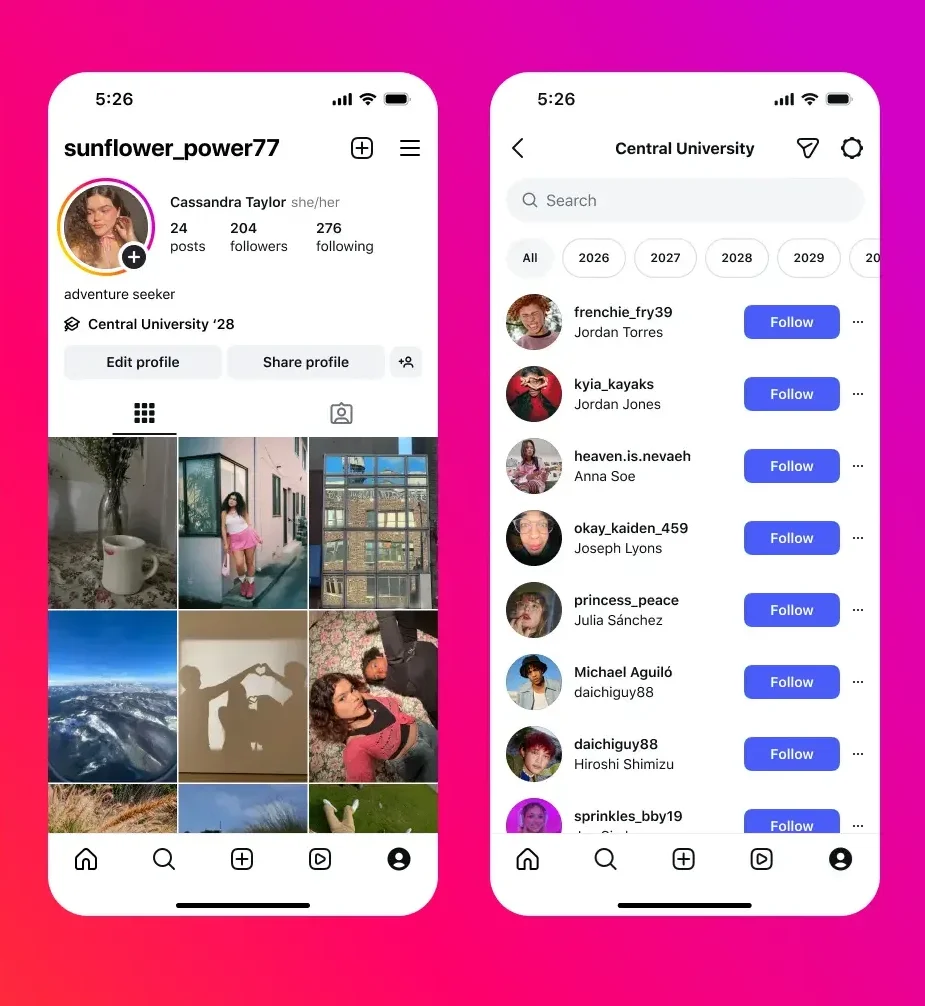
Instagram will remove end-to-end encryption from direct messages in May, leaving users' text messages, files, and voice memos to be scanned by parent company Meta if it chooses
| META PRESS OFFICEThat includes Meta itself, which is unable to scan the contents of messages sent with end-to-end encryption. However, the next time you send a message via Instagram, you'll only be shielded by standard encryption.
With the shake-up at Instagram, one of the largest social media networks globally, the only remaining platform owned by Meta that retains end-to-end encryption is WhatsApp.
Following the decision to scrap end-to-end encryption, ExpressVPN, which offers one of the best VPN deals around, has reported a spike in downloads from those looking to bolster their online security. ExpressVPN reported a 12.4% increase in daily new subscribers in the 48-hours after the announcement from Meta, the brand told GB News.
The decision to remove privacy protections from Instagram users has renewed the debate around how personal data and private communications are protected across social platforms.
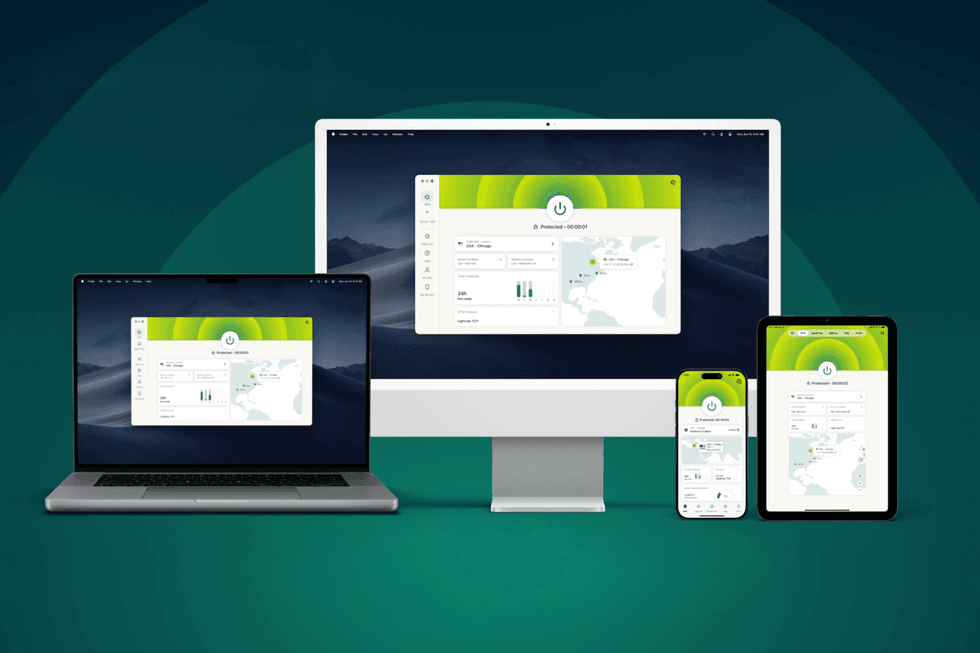 ExpressVPN is available across a wide variety of devices, from desktop apps to smartphones | EXPRESSVPN PRESS OFFICE
ExpressVPN Chief Research Officer Pete Membrey told GB News: “End-to-end encryption is one of the most important privacy protections available to users online because it ensures conversations can only be read by the sender and recipient.
"When platforms scale back these protections, it naturally raises questions around who can access user communications, how data is stored, and what this means for personal privacy moving forward.
"It’s also worth remembering that one of the original reasons many messaging platforms, including WhatsApp, moved to end-to-end encryption was precisely to ensure that even the platform itself could not access the content of private communications. That design choice fundamentally limits how that data can be used or analysed at a content level. When those protections are reduced or removed, it changes what is technically possible in terms of how message content can be accessed, processed or used within the platform."
LATEST DEVELOPMENTS
Meta has not commented on whether the changes to encryption will alter its data collection practices. In fact, eagle-eyed Instagram users only noticed the change was happening when the Californian company quietly refreshed the online Help Pages resources for the social network.
Meta Chief Executive Mark Zuckerberg has repeatedly stated that billions of users worldwide are shifting to private messages, group chats, and ephemeral posts like stories, rather than broadcasting publicly on social platforms.
This is something that Pete Membrey highlighted: "Platforms like Instagram are not just social networks — they are communication tools that millions of people use every day to share personal messages, coordinate with friends and family, and manage aspects of their daily lives. As a result, changes to how private messaging is protected inevitably shape how safe and secure those everyday interactions feel.
"There is a growing focus across the online safety landscape — particularly in relation to protecting children and addressing harmful content — which is driving important and necessary policy discussions. At the same time, it’s essential to consider how changes to privacy frameworks interact with user trust and the expectation of private, secure communication.
"We’re seeing consumers become far more proactive about protecting their digital footprint, and spikes in demand like this reflect a broader shift in public awareness around online security and privacy."
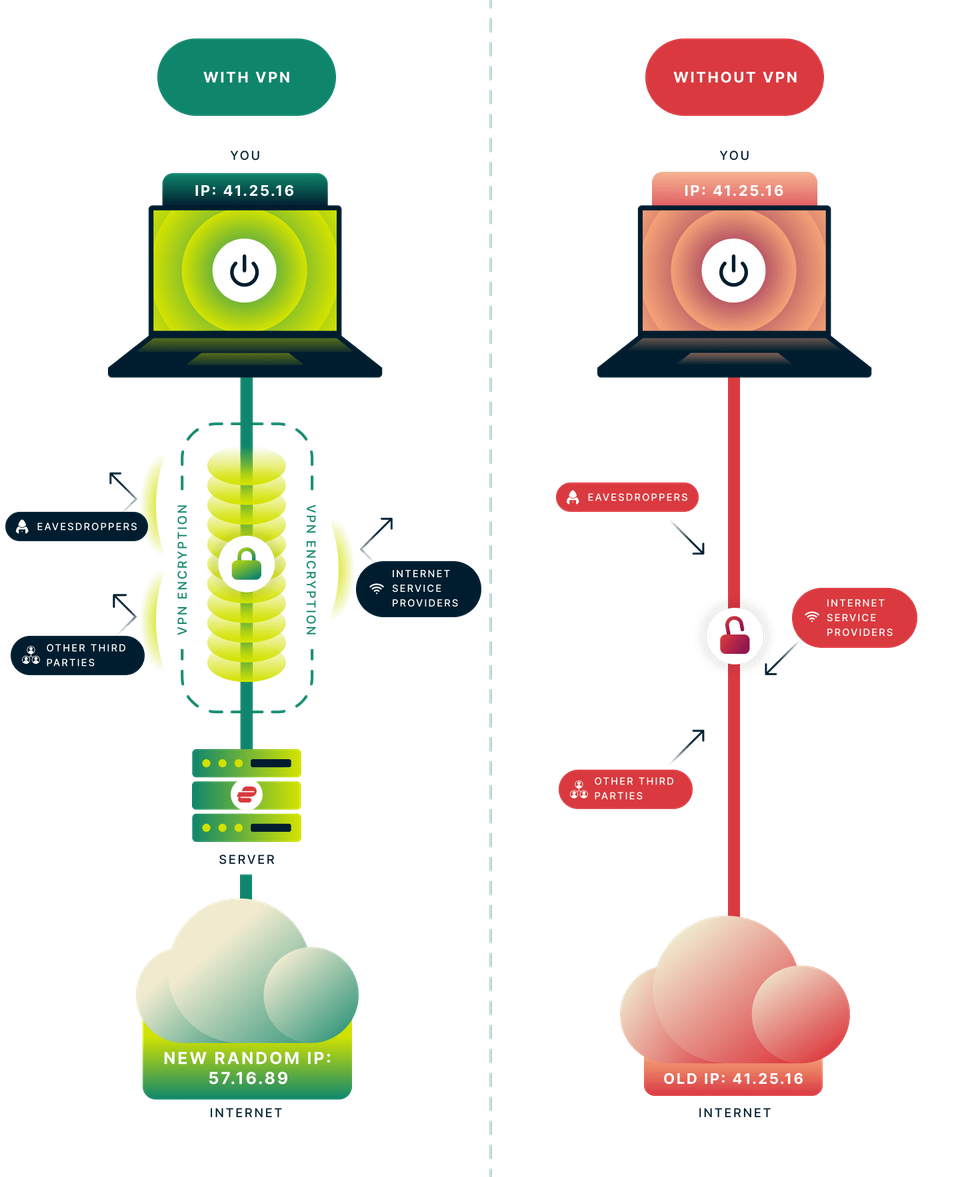 VPNs work by encrypting your online traffic before it's sent over the internet. This prevents your ISP, advertisers, hackers, and fraudsters from tracking your online activity, stealing your personal data, or placing restrictions on you | EXPRESSVPN PRESS OFFICE
 ExpressVPN is an award-winning VPN, which encrypts and anonymises everything you do online — hiding your location and website history, stopping advertisers, trackers, and even governments from keeping tabs on you. VPNs have long been used by businesses to keep proprietary data safe.
Whistle-blowers and journalists also rely on these apps to shield sensitive information.
With the introduction of the Online Safety Act and shake-ups to the encryption used to secure messages in Instagram, VPNs are fast becoming an essential tool for everyone with a smartphone, laptop, desktop PC, streaming set-top box, or tablet.
The best VPNs rely on the same military-grade encryption as governments in Britain and the United States. Encryption scrambles data into an unreadable format, preventing third parties from monitoring your activity.
This is so effective that it'll even stop the Internet Service Provider (ISP) that connects you to the internet from keeping a record of the websites you've visited, how long you've spent on each site, and your current location.
Advertisers, trackers, and hackers are also blind when it comes to tracking your web history.
Heading online without a VPN enabled is a little like sending a postcard, with your personal message easily visible on the back as it makes its way to the intended recipient through the Royal Mail system.
However, when running a VPN on your device, that same postcard is placed inside multiple envelopes and packages, so the message on the back is hidden from everyone as it makes its way to its final destination.