








Video doorbells have become a prominent fixture on the outside of homes across the UK, and while they're perfectly legal to install, there's a key rule that catches many homeowners off guard. When a security device from popular brands like Eufy, Blink, or Ring records your own doorstep, driveway, or garden, you're generally in the clear. However, the moment that your security camera captures anything beyond your property boundary – whether that's the pavement, a public path, or your neighbour's front garden – everything changes.
At that point, UK General Data Protection Regulation (GDPR) and the Data Protection Act 2018 kick in, and you effectively become what's known as a "data controller." This means you're legally responsible for handling any footage of other people properly.
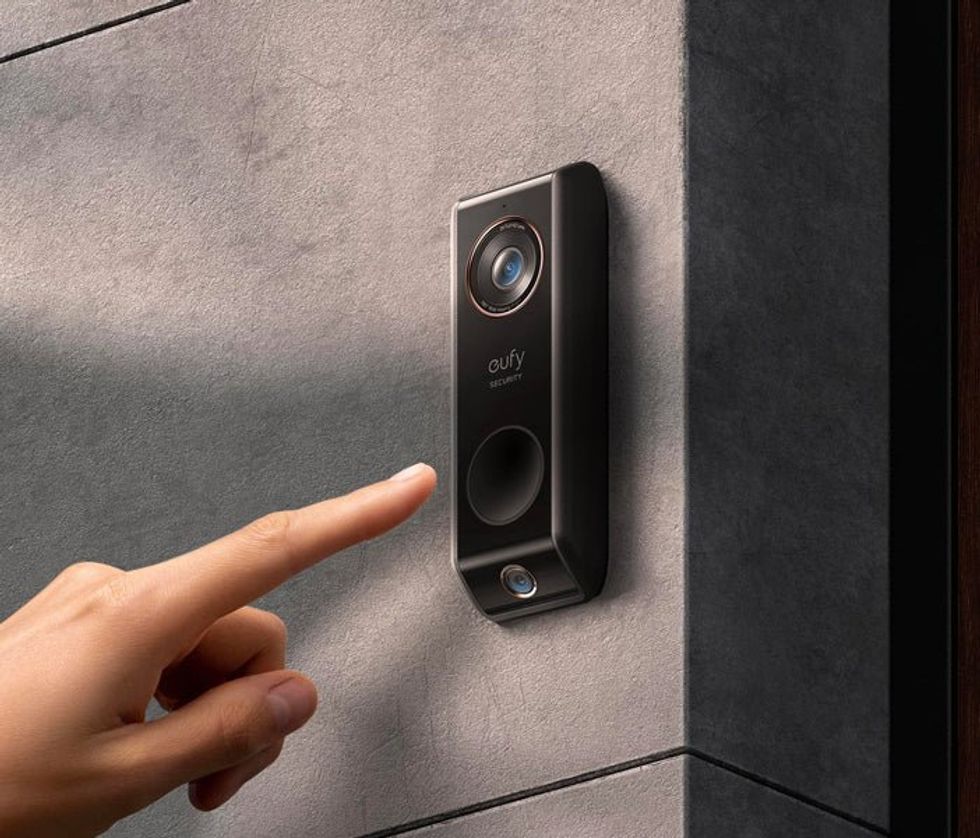
Video doorbells are legal to install in the UK
|EUFY PRESS OFFICE
The key principle here is proportionality. Your camera needs to serve a genuine security purpose without unnecessarily intruding on others. Recording your front door? Perfectly legal.
Capturing large swathes of the street or your neighbour's windows? That's where legal issues begin brewing.
Legal expert Mark Davies from Davies and Associates told GB News, "Video doorbells are lawful security devices, but they must be used proportionately. Home security should never come at the expense of a neighbour's right to privacy."
Here’s everything you need to know about using video security cameras to protect your home — without breaking the law.
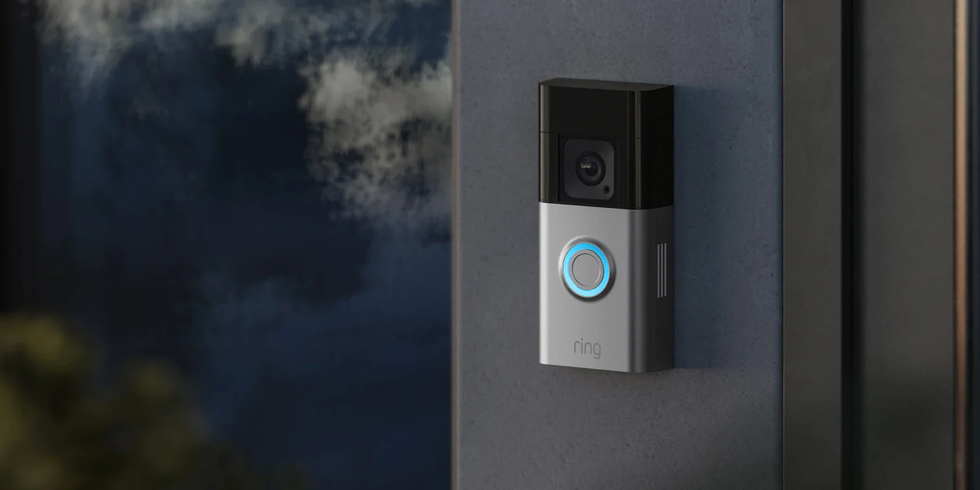
A homeowner was found guilty of harassment and data protection breaches after his Ring doorbell captured footage of a neighbour's property
| RING PRESS OFFICEThe risks of incorrect home security cameras became painfully clear in the landmark case of Fairhurst v Woodard back in 2021. A homeowner was found guilty of harassment and data protection breaches after his Ring doorbell captured footage of a neighbour's property. The damages and legal costs reportedly came to around £100,000.
Adam Pilton, a cybersecurity expert and former police officer, told GB News, "What made this case particularly significant was the audio element. Courts have taken a dim view of doorbells that record conversations beyond where even the video angle might be considered acceptable."
He notes that the audio range in this case proved "particularly problematic."
It's a warning that many homeowners overlook. You might carefully angle your camera to avoid filming next door visually, but the microphone often extends considerably further. If the audio captured extends outside of your own property, could breach data privacy laws.
LATEST DEVELOPMENTS
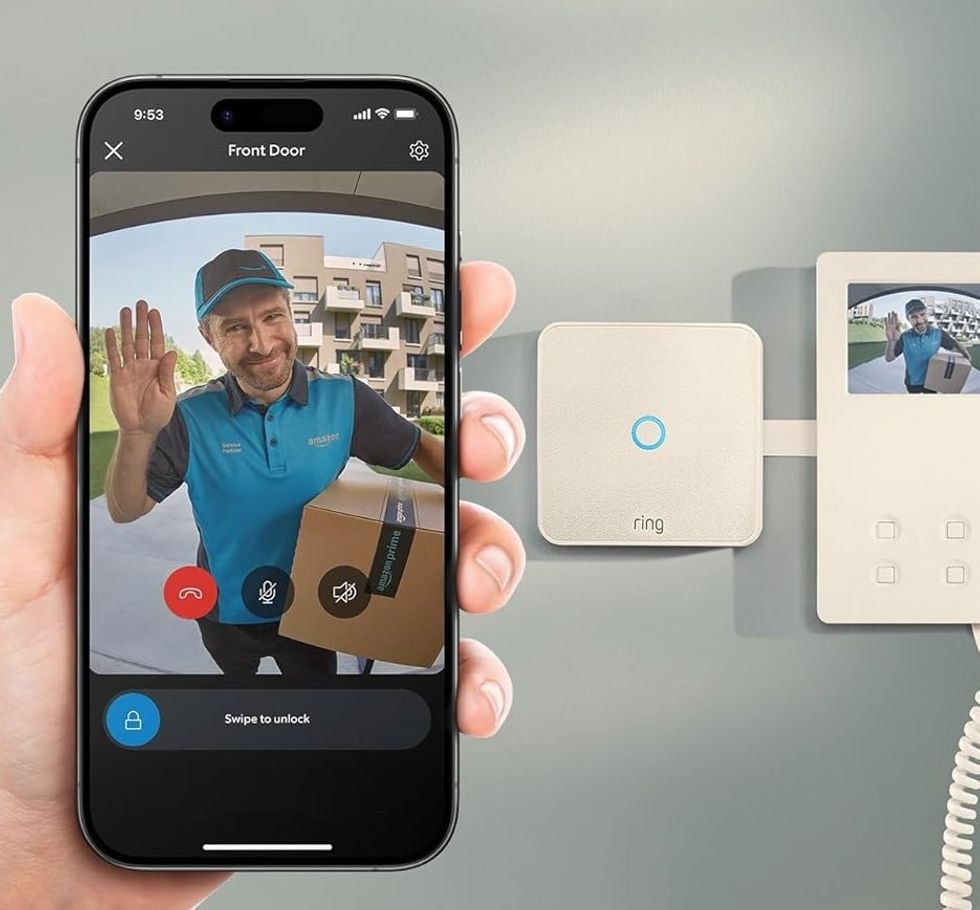
The law doesn't outright ban a camera from capturing your property, but it does impose serious conditions on what your neighbour must do with that footage
| RING PRESS OFFICEWhat happens if you suspect your neighbour's doorbell is pointed at your home?
The law doesn't outright ban a camera from capturing your property, but it does impose serious conditions on what your neighbour must do with that footage.
Paul Britton, founder of Britton and Time Law firm, explained to GB News: "The law is less concerned with the angle of your camera and far more concerned with what data you are capturing, what you do with it and how securely you handle it.
"A neighbour can install a video doorbell for security, but it should mainly cover their own property. If it significantly records your home or private space, it could raise privacy concerns and potentially fall foul of data protection laws."
For homeowners, this serves as a reminder — installing a camera isn’t just about deterrence—it comes with legal responsibilities to respect your neighbours’ privacy.
Can a neighbour complain about a Ring doorbell?
If a friendly chat with your neighbour doesn't resolve things, you can photograph the camera's position and lodge a complaint with the Information Commissioner's Office (ICO). The ICO has powers to order changes, including repositioning or adjusting the device.
However, it should be noted that calling the police, unfortunately, won't resolve the issue.
As a former police officer, Mr Pilton explains, "The police will not come and take down CCTV. This is one of the most persistent myths I encountered, they don’t have powers to remove a neighbour's CCTV or video doorbell. In most cases it’s not a criminal matter and officers simply don’t have the capacity or the authority to intervene in data protection disputes."
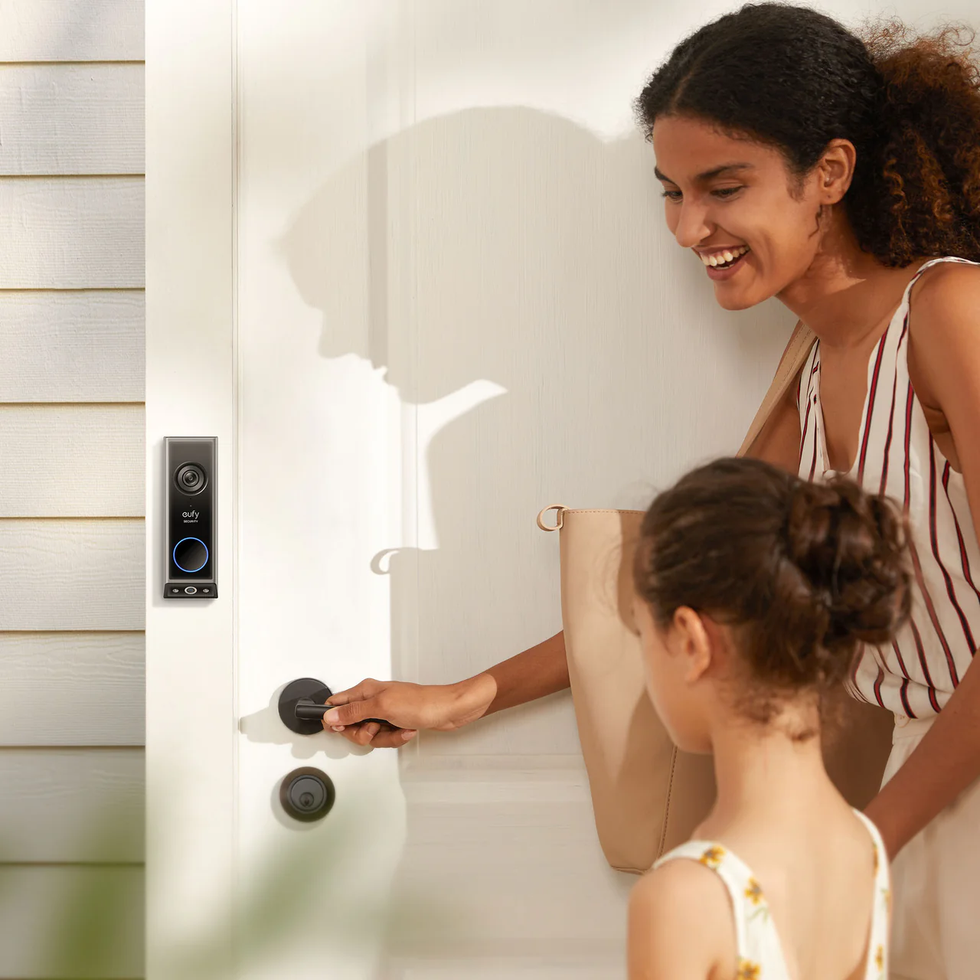
When using a video doorbell, it may be worth putting up a visible sign near your entrance, letting visitors and passers-by know that they're being recorded
| EUFY PRESS OFFICEHow to use your video doorbell legally
For those wanting to stay on the right side of the law, there are some straightforward steps you can take.
Timothy Wilkinson, Director of Online Security Products, told GB News, "A small tilt of the lens so it focuses on your doorstep or porch rather than down the path can make all the difference. Most smart doorbells and cameras allow you to set 'privacy zones' in the app to block out areas you don't want to record."
It's also worth putting up a visible sign near your entrance, letting visitors and passers-by know that a recording is happening. This promotes transparency and reduces the chance of complaints.
Mr Wilkinson continues: "Recording public areas might feel harmless, but that footage still counts as personal data. And if you share or store that footage without appropriate safeguards, you could find yourself facing a privacy complaint or a fine."
When it comes to storing footage, using strong passwords and enabling two-factor authentication will prevent unwanted eyes from gaining access.
It's also best practice to delete recordings regularly — ideally automatically after 30 days unless you need them for evidence.