










A former engineer at Microsoft, who helped to build Windows, has delivered a blunt verdict on the operating system: it "sucks."
Dave Plummer's criticism comes at an awkward time for the Redmond company. Microsoft pulled the plug on Windows 10 weeks ago, leaving millions at increased risk of malware and cyberattacks.
Despite that, millions of Windows 10 users still haven't taken the necessary steps to protect their PCs.
If you haven't taken action, you're leaving yourself vulnerable to an increased risk of malware, ransomware, cyberattacks, and worse. That's because, without regular security updates and bug fixes from Microsoft, there's nothing to stop criminals from exploiting vulnerabilities unearthed within the operating system.

In the UK, Microsoft offers a few different ways to pay for its one-year Extended Security Updates (ESU) subscription on Windows 10, including choosing to back up your PC data via OneDrive
| MICROSOFT PRESS OFFICEWith so much personal data stored on PCs, such as financial information, passwords, and family photographs, this isn't a device that you want to leave exposed.
The good news is you can still act. Microsoft will still issue monthly security updates to patch bugs and loopholes found in Windows 10, keeping you safe for another year.
According to figures released by Dell, some 500 million computers that could be upgraded to Windows 11 at no cost are sticking with Windows 10 instead.
The slow transition reveals something interesting about how people feel about Windows these days. As of November, Windows 11 held just 53.7% of the market, whilst Windows 10 still commanded a healthy 42.7%.
Plummer, who worked on Windows during the 1990s, reckons he knows exactly what's gone wrong – and how to fix it. The engineer's credentials are solid: He worked at Microsoft during what many consider a golden era for the operating system, the final days of Windows NT 3.5x and the introduction of Windows NT 4.
Though it's been decades since he last touched the Windows codebase, bits of his work likely remain buried in today's version. That's down to the focus on ensuring old software continues to run on new systems.
His complaints centre on two main themes. First, he wants a "hardcore mode" that strips away features designed for casual users. Second, he's calling for transparency and an end to what he describes as Microsoft's "knows best" attitude that's crept into recent versions.
These aren't minor quibbles – they're fundamental issues about who Windows is really built for.
The hardcore mode idea is actually quite simple. Plummer wants a single setting you could switch on that would change how Windows behaves. Instead of the chatty, helpful version that tries to guide you through everything, it would become more direct and stripped down.
That means no more pop-ups suggesting you try Microsoft's various services. No web results that clutter up searches when you're just looking for a file on your computer. Plummer describes it as flipping the system from "safe and chatty to deterministic and terse."
For technical users who know what they're doing, this would be a game-changer. They'd no longer have to wade through endless interface elements designed to help beginners.
His point is straightforward: "If you flag yourself as a power user, then the OS takes you at your word and stops second-guessing you constantly."
Windows has a reputation for hoovering up user data, something Plummer tackles head-on. He reckons telemetry isn't all bad, there are good reasons for it. When Windows crashes, Microsoft needs to know what went wrong and what you were doing at the time. That's fair enough.
But Plummer wants what he calls "radical transparency and control." Every bit of data Windows wants to send should come with a simple explanation of why. Users should be able to turn off entire categories of data collection without worrying that the next update will secretly switch them back on.
It's about giving people real control over their own machines, rather than treating data collection as something that just happens in the background. Plummer's harshest criticism is reserved for how Microsoft uses Windows to push its other products. He reckons the company has crossed a line.
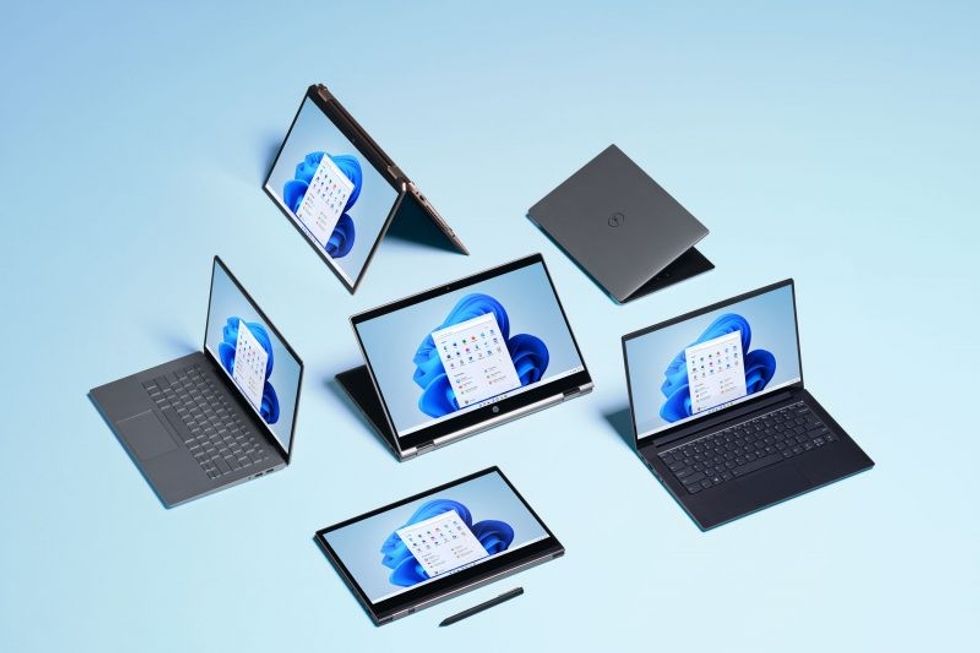 From October 14 onwards, Microsoft will no longer issue new security patches, bug fixes, or new features for Windows 10. | MICROSOFT PRESS
What started as helpful suggestions about Windows features has morphed into something else entirely - the operating system now feels like a shop window for Microsoft's other services.
He calls it "corrosive in a way that telemetry will never be."
Take the browser situation. When you pick Chrome or Firefox, Windows keeps nagging you to try Edge instead. Plummer calls this "disrespect" for user choices.
Then there are the sponsored apps that pop up in the Start Menu. His take? "You put a price on my attention on my machine."
It's about treating your computer as Microsoft's advertising space rather than your own tool. It's not all negative from Plummer, though. He's quick to point out where Windows gets things right.
The core engine that runs everything? He describes that as "mature and high performance." The way Windows handles storing and managing files earns praise as "world-class."
Even the system that lets thousands of different hardware manufacturers make components that work with Windows gets an approving nod - he calls it "an unmatched feat of cooperation," despite its flaws.
He's also impressed by newer additions like the Windows Subsystem for Linux and the Terminal application.
The real problem, in Plummer's view, isn't Windows itself. It's all the extras bolted on top.
His conclusion is simple: "So, does Windows suck? Only when it forgets who it's working for."
Our Standards: The GB News Editorial Charter
More From GB News