



All products and promotions are independently selected by our experts. To help us provide free impartial advice, we will earn an affiliate commission if you buy something. Click here to learn more







You may have noticed your broadband bill is slightly higher this month. This is due to most telecom brands increasing monthly Direct Debits by a fixed pound-and-pence rise to comply with recent Ofcom rule changes.
Broadband providers have been banned from tying annual price rises to runaway inflation figures. UK companies are forced to be upfront and to tell you about any price rises included in your contract in pounds and pence. This is a shift away from inflation-based rises, which you simply “cannot predict” ahead of time.
Not sure how much extra you're paying? That depends on the brand that handles your full-fibre broadband, but expect to spend between £36 and £48 extra over the next 12 months for the same connection.
However, Richard Cameron, CEO of Carlisle-based broadband company Grain, has penned a strongly-worded letter about these price hikes to Science Secretary Liz Kendall, attacking the Government's Telecoms Consumer Charter.
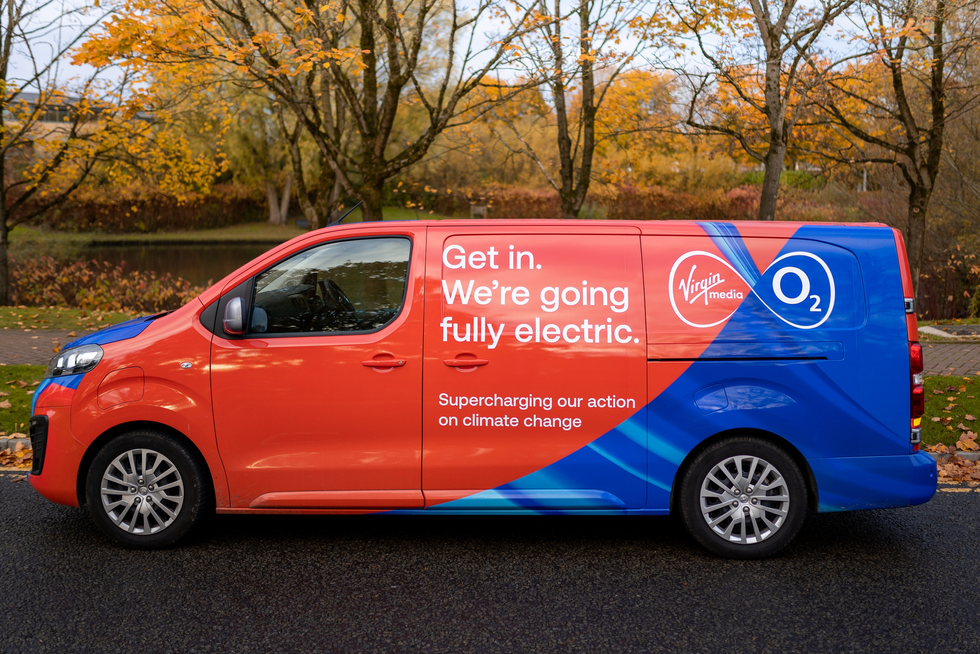
You'll find familiar names on the list: BT, EE, Plusnet, Virgin Media, Sky Broadband, Vodafone, TalkTalk, and NOW broadband all feature
| VIRGIN MEDIA O2 PRESS OFFICEIn the letter, he names more than a dozen companies he accuses of implementing above-inflation price rises. You'll find familiar names on the list: BT, EE, Plusnet, Virgin Media, Sky Broadband, Vodafone, TalkTalk, and NOW broadband all feature.
Smaller providers haven't escaped criticism either. KCOM, 4th Utility, CommunityFibre, Cuckoo, Hyperoptic and Rise Fibre are also named as applying these increases.
He wrote, "Transparency shines a light on what is happening today, and it is shining a light on shameful practice.
"Legacy providers are being allowed to use this as an opportunity to inflict substantially higher price rises on their customers. Providers such as BT and Virgin Media are pushing the phrase 'pounds and pence' price rises, moving away from the previous approach linked to inflation.
"Yet the term is wholly misleading, with the legacy providers using this change as an excuse to push through inflation-busting rises. It is also misleading to call them “mid-contract” price increases, which implies a single rise in the middle of the contract, rather than multiple in-contract increases.
"Consumers on 24-month contracts are frequently subject to two such increases during their minimum term, without the ability to exit penalty-free. This practice is now permeating throughout the industry, with other providers following suit."
He argues there's no legitimate reason why providers cannot offer fixed-price deals for the full 24-month contract term. This would ensure you know exactly what you're paying from start to finish.

Previously, annual broadband increases were capped at the Consumer Price Index plus 3.9%
| EE PRESS OFFICEPreviously, annual increases were capped at the Consumer Price Index plus 3.9%. Mr Cameron claims BT is now implementing rises equivalent to CPI plus a staggering 20%.
"This is not in the interests of working people who are struggling with the cost of living," Mr Cameron writes in his letter.
Mr Cameron alleges BT has quietly added a £3 charge for a Pay as You Go Calling Plan that customers never requested and have never used. This service was previously bundled free of charge, meaning some customers now face combined monthly increases of £7 on their broadband bills.
Its argued this breaches Advertising Standards Authority (ASA) guidance requiring providers to show either total contract costs or clearly state how long each price applies.
He urges ministers to request an ASA review of industry advertising practices.
LATEST DEVELOPMENTS
- Roku hits record-breaking new milestone, and Fire TV just can't compete
- British brand launches long-awaited Sky Q rival to watch, pause, and record telly
- Best VPN deals
- Spotify is treating you to more than 1,400 Peloton workout classes at no extra cost
- Shark launches £130 handheld fan that promises to 'instantly cool' skin
If you've started a new broadband contract since that shake-up, you can expect to see bills increase by a set amount in the coming weeks. Here's when most providers started to switch to the pounds-and-pence model:
- BT and EE: Contract started on or after April 10, 2024
- Vodafone: Contract started on or after July 2, 2024
- Plusnet: Contract started on or after July 11, 2024
- TalkTalk: Contract started on or after August 12, 2024
- Three Broadband: Contract started on or after September 1, 2024
- Virgin Media: Contract started on or after January 9, 2025
These are the providers that have implemented fixed rate increases of £3 per month:
- Vodafone
- TalkTalk
- Three Broadband
These are the providers that have implemented a fixed rate increase of £4 per month:
- Virgin Media O2
- Plusnet
- BT
- EE
Want to switch? Unfortunately, if you're not quite at the end of your current deal, telecoms will charge an early exit fee – and the remaining balance of your contract. To incentivise early-switchers, some broadband providers will cover these costs for you in the form of credit when you switch.
Here are the current broadband providers that will pay you to switch:
- Plusnet: Up to £100 reward card
- Three: Up to £200 bill credit
- Sky: Up to £200 bill credit
- Vodafone: Up to £200 bill credit
- Virgin Media: Up to £250 bill credit
- BT: Up to £300 bill credit
- EE: Up to £300 bill credit
EE will pay you up to £300 to switch to full-fibre 300 broadband deal

Upgrade to an award-winning broadband provider with a full-fibre 300 package from EE, and get 2x the speed for an extra £4, compared to its full-fibre 150 deal. Built with Wi-Fi speeds that can power busy homes, you can stream your favourite TV shows and movies in 4K, take part in online gaming and work from home. EE guarantees 425Mbps download speeds and at least 75Mbps upload speeds.
This package comes with the Smart Hub 7 Plus — capable of powering Wi-Fi 7 — the fastest Wi-Fi standard available for your home or office
EE full-fibre 300
$32.99
Vodafone will pay you up to £200 to switch to full-fibre broadband

Upgrade to a Pro Broadband package from Vodafone that ships with its latest (and fastest) Wi-Fi 7 router. You'll also benefit from a backup internet connection, powered by Vodafone's 4G network, if there's a broadband outage in your area. Until now, the fastest router offered by Vodafone shipped with Wi-Fi 6E.
Vodafone Broadband Pro 3
$39
Three will pay you up to £200 to switch to its 5G home broadband

Three Home Broadband blasts away the old-school setup drama with genuinely plug‑and‑play, 5G‑powered internet that needs no landline, no engineer and no endless waiting. Order before 8pm, and you’ll have your hub by the next working day — just plug it in, and your home Wi-Fi will be powered by "the UK’s fastest 5G network" in minutes, the mobile network promises. Three UK even offers a 30-day money-back guarantee for new subscribers. Plus, they'll even pay you up to £200 on your last bill when you switch.
Three 5G Home Broadband
$11
If you're unsure about what broadband speed you need in your home. We've put together the average download speeds for an hour-long television show episode in Standard Definition (SD), roughly 450MB in size.
- 69Mbps, the average broadband speed in the UK: 56 seconds
- 150Mbps, the lowest speed available with most full-fibre packages: 24 seconds
- 500Mbps, widely available from all full-fibre providers: 7 seconds
- 900Mbps, ideal for busy households with multiple devices per person: 4-5 seconds
- 1Gbps (or 1,000Mbps) is not available from all broadband companies: 4 seconds