



All products and promotions are independently selected by our experts. To help us provide free impartial advice, we will earn an affiliate commission if you buy something. Click here to learn more








Visiting certain websites in the UK now requires a few extra steps, thanks to the shake-up brought about by the introduction of the Online Safety Act last year. The legislation introduces strict age checks and tighter rules for platforms, leaving Britons faced with a more controlled World Wide Web than ever before.
The Online Safety Act, which came into force last summer, hopes to make the internet safer by placing legal duties on online platforms to protect users from harmful and illegal content, especially children. Regulated by Ofcom, it requires companies like social media platforms, search engines, and websites to remove illegal material more quickly, reduce exposure to harmful content, and introduce stronger safeguards such as age verification systems.
In order to achieve this, the Online Safety Act has changed the process for every Briton to get online. Here are three key changes you need to be aware of going forward.
Protect your online activity with ExpressVPN

Protect your personal information and encrypt everything you do online for just £1.99 with the latest ExpressVPN deal.
ExpressVPN adds military-grade encryption across up to 10x devices, including iPhone, Android, Linux, Windows, Mac, Fire TV, and dozens more, to secure your internet traffic from prying eyes, advertisers, and governments. You'll benefit from an extra 4 months free with a two-year plan
ExpressVPN Basic
$9.99
$1.99
1. Verify your age to access certain content
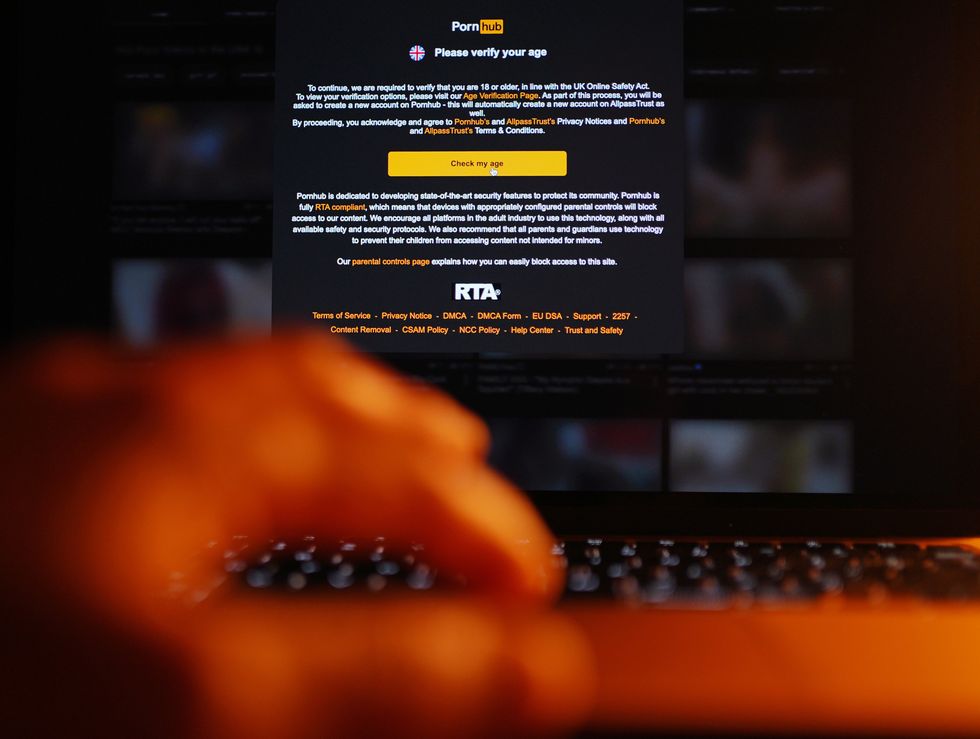 The UK's Online Safety Act is meant to prevent children from accessing harmful online content | PA
One of the most noticeable changes introduced by the Online Safety Act is the rise of age verification checks. Websites and apps that host adult content, as well as some platforms with potentially harmful material, are now required to take steps to prevent children from accessing age-restricted content.
For instance, online retailers selling age-restricted products, such as knives, vaping products, or fireworks, have also strengthened age-checking procedures. You may be required to complete digital age verification before making a purchase, with some retailers using third-party verification services to confirm eligibility.
2. Share more information when signing up or accessing services

Sony recently started asking for age verification on PlayStation 5 consoles to access certain online communities
| PEXELSThe new rules mean that some online services may ask for additional information to verify a user's age or identity. Certain online communities, dating apps, and gaming platforms may request this to help prevent underage access and reduce the risk of fraud.
In some cases, users may be asked to upload a selfie, provide a photo ID, or use a secure digital identity service to verify their details. Sony recently started enforcing checks for PlayStation 5 console owners. Rockstar Games also appears to be developing an age verification system for Grand Theft Auto (GTA) Online, with leaked screenshots revealing a new menu for the unannounced feature.
LATEST DEVELOPMENTS
3. Navigate more safety warnings and content restrictions
You might see more content warnings, safety prompts, and restricted access to certain material. Social media platforms and websites are under greater pressure to identify and limit harmful or illegal content, leading to changes in how content is displayed and shared.
For example, platforms owned by Meta like Instagram and Facebook have introduced additional protections for teen accounts, limiting exposure to sensitive content and restricting who can contact younger users. The US firm also wants Britons to submit age checks on their mobile.
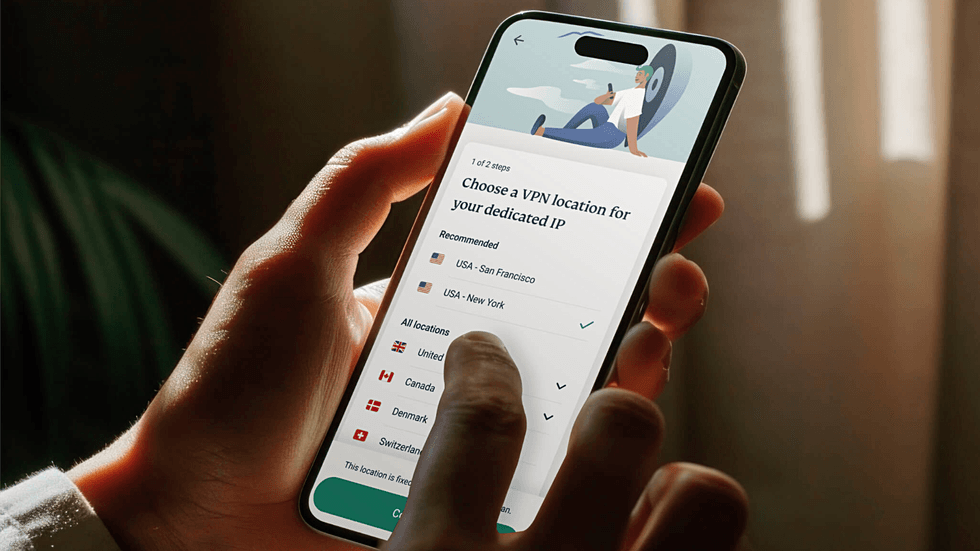 When you activate a VPN, advertisers, trackers, and hackers are blind when they attempt to track your web history | SORA | GB NEWS
 Are VPNs legal?
VPNs are legal. If you've been issued a company laptop to work remotely, the IT department will likely require you to use a VPN before you start a shift. Needless to say, this isn't against the law.
But while VPNs were once solely used in enterprise and government spheres, these apps are becoming increasingly popular with people across the world to improve personal online security.
As all of us rely on the internet for more and more of our daily lives, VPNs are an essential way to enhance privacy, block advertisers from tracking your movements, unlock streaming TV shows and sports coverage, and even find cheaper flights.
VPNs, however, are illegal in 10 countries: China, Russia, Belarus, North Korea, Turkmenistan, Uganda, Iraq, Turkey, UAE, and Oman. If you're currently based in any of these nations or plan on visiting one soon, consider uninstalling any VPN apps from your devices.
Outside of these countries, VPNs are legal and can be used without restrictions.
But while it might be legal, it's worth noting that using a VPN might be against the Terms Of Service of some websites or mobile apps, so it's always worth checking the T&Cs to make sure you're in the clear.