









Scientists have calculated the staggering extent of underground fungal networks to be 700 million times the distance from Earth to the Sun.
The research, conducted by the Society for the Protection of Underground Networks (Spun) and published in the journal Science, mapped what is often called the "wood wide web" – the hidden fungal systems linking plant roots across the globe.
They revealed the network spans 68 quadrillion miles beneath Earth's surface.
To grasp this extraordinary scale, the network could span the gap between Earth and the sun more than 735 million times over or wrap around our planet 2.7 trillion times.
These subterranean connections enable trees and plants to share nutrients and chemical signals.
The fungi responsible for these vast networks are known as arbuscular mycorrhizal (AM) fungi, which extend thin tubular strands called hyphae through the soil like delicate filaments.
These organisms create specialised structures called arbuscules inside plant root cells, establishing a mutually beneficial relationship.
Through this partnership, the fungus delivers water and essential nutrients to its host plant, while receiving sugars and lipids in return.
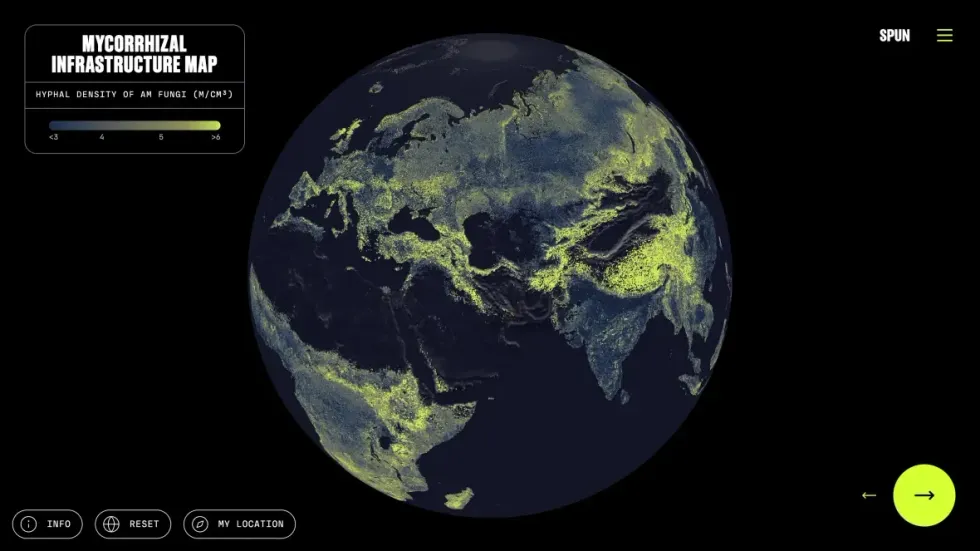
Scientists have calculated the extent of underground fungal networks to be 700 million times the distance from Earth to the Sun
|SPUN
Approximately 70 per cent of all plant species on Earth are believed to maintain these symbiotic connections with AM fungi.
The networks dramatically extend a plant's reach, drawing resources from an area 100 times greater than roots alone could access.
The researchers analysed 16,000 soil samples collected from locations worldwide.
It then combined this data with computer modelling based on laboratory observations of 300,000 AM-fungi filaments.
LATEST DEVELOPMENTS
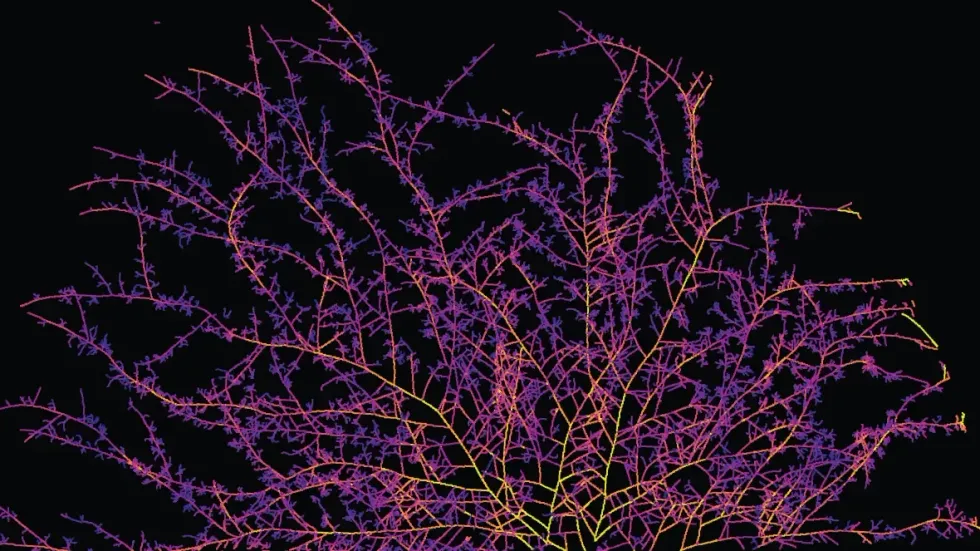
They revealed that the network spans 68 quadrillion miles beneath Earth's surface
|SPUN
Justin Stewart, from Spun, said: "It is hard to overstate the importance and enormity of these fungi.
"There could be up to 10 metres of mycorrhizal network in just a teaspoon of soil."
Co-author Corentin Biso, of the Amolf Biophysics Institute in Amsterdam, said: "With the emergence of new technologies in high-resolution imaging, machine learning, and robotics, we are starting to reveal what has long been hidden under our feet."
The study estimates these fungal networks absorb roughly one billion metric tonnes of carbon from the atmosphere annually.
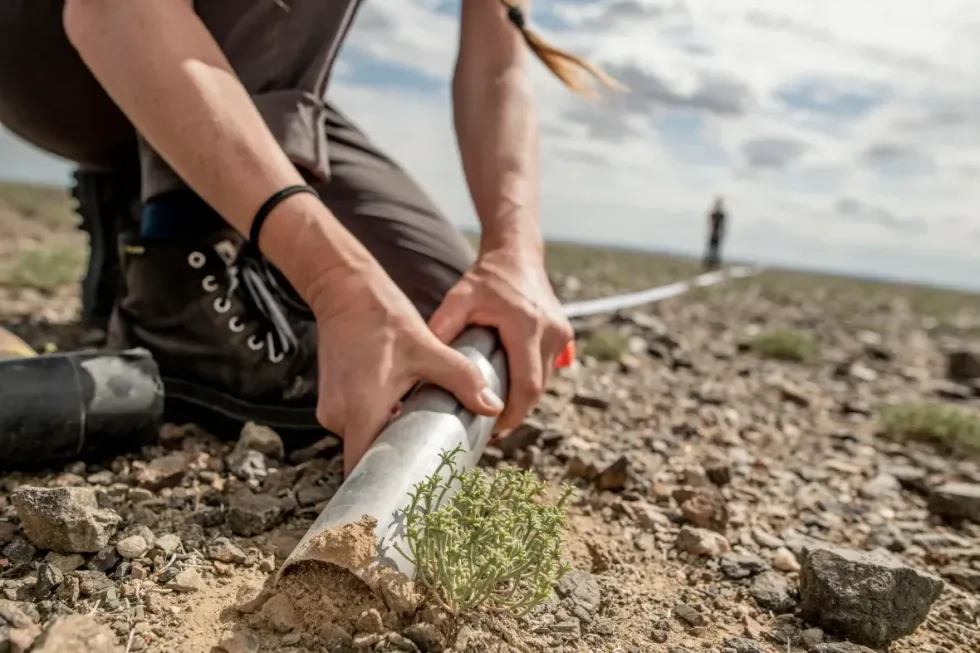
Soil samples were taken around the globe
|SPUN
The total mass of the underground network is equally remarkable, weighing up to six times more than the combined weight of every human being on the planet.
Despite their significance, much remains unknown about these ancient organisms.
Merlin Sheldrake, a mycologist and study co-author, said: "Mycorrhizal fungi have shaped life on Earth for hundreds of millions of years, but we still understand too little about how the infrastructure of these living transport systems is distributed across the planet."
Our Standards: The GB News Editorial Charter