










Polar Bears are getting significantly fatter despite a shrinking of sea ice, new research has found.
The discovery has shocked scientists, who studied the weight of 770 adult polar bears in the Norwegian Arctic archipelago of Svalbard between 1992 and 2019, publishing their findings in the journal Scientific Reports.
"A fat bear is a healthy bear," Jon Aars, a senior scientist with the Norwegian Polar Institute, explained.
He has spent more than two decades studying the mammals in the remote Arctic islands and even he did not see this coming.
TRENDING
Stories
Videos
Your Say
"I was quite surprised, because we have lost so much sea ice since I started," he admitted.
Scientists had long warned vanishing ice would spell disaster for polar bears, who depend on it as a hunting platform for seals. Many predicted the bears would already be struggling.
However, the research tells a different story. While the bears' body condition did dip between 1995 and 2000, it actually improved afterwards – even as ice vanished at an alarming rate.
"I was a bit surprised when we found that it had actually increased instead of decreasing," says Mr Aars.
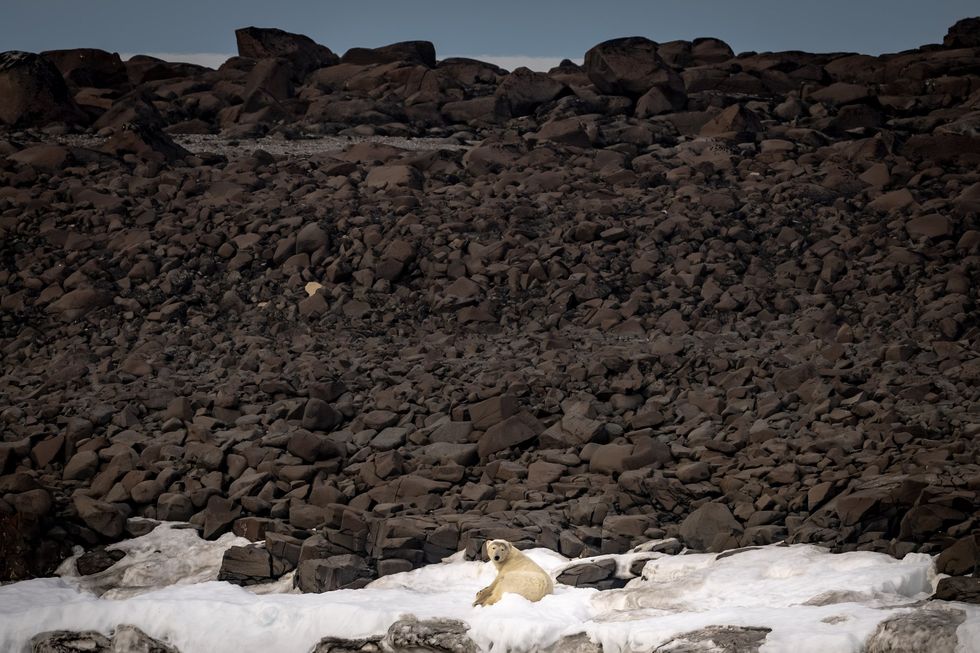
Polar Bears are actually getting significantly fatter despite a shrinking of sea ice, new research has found
|GETTY
The Svalbard region has lost ice faster than anywhere else polar bears call home, with ice-free days increasing by roughly four per year during the study period – nearly 100 extra days without ice overall.
"It's good news that they have coped so well," Mr Aars noted.
So how are these Arctic giants managing to stay so well-fed? They appear to have adapted to the ever-shifting climate around them.
The bears have instead moved to hunting land-based prey, feasting on reindeer and walruses instead of relying solely on seals.
LATEST DEVELOPMENTS
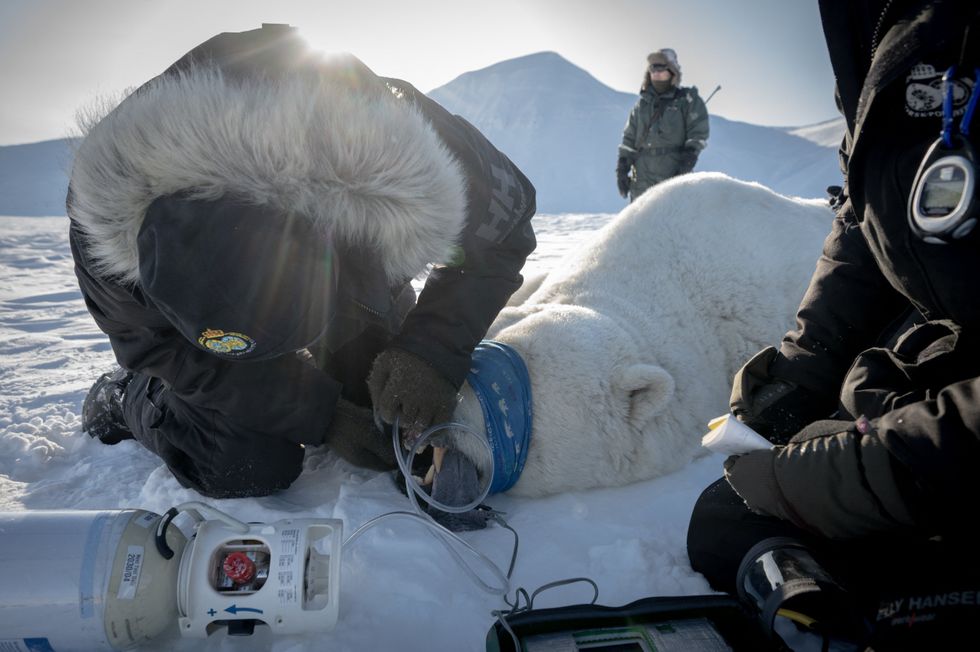
Scientists studied the weight of 770 adults in the Norwegian Arctic archipelago of Svalbard between 1992 and 2019
|GETTY
"Some of them would be on land as much as 90 per cent of the time now, which is a lot," Mr Aars said.
Walrus populations have bounced back since Norway introduced protections in the 1950s, giving the bears a new source of fatty meals.
"There are a lot more walruses around [for them to hunt] these days," said Mr Aars.
As seals crowd together on shrinking ice patches, they become easier targets for hungry polar bears.
However, scientists are urging caution about celebrating too soon. This success story will not last forever.
"I think it's a small window of hope," says Alice Godden, senior research associate at the University of East Anglia, who was not involved in the study. "Food availability is going to really be the driver whether they survive or not."
The study authors warn the ecosystem could eventually hit a tipping point with severe, irreversible consequences.
"It will be harder to be a polar bear in Svalbard in the future," says Mr Aars. "You don't have polar bears anywhere where you don't have sea ice for part of the year."
Dr John Whiteman, from Polar Bears International, added: "In the long term, if ice loss continues unchecked, we know the bears will eventually disappear."
Our Standards: The GB News Editorial Charter