










A flowering shrub believed to have vanished from the wild nearly six decades ago has been found in a remote corner of Australia thanks to a widely used species identification app.
Ptilotus senarius, unseen since 1967, was spotted in June 2025 by horticulturist Aaron Bean while he was conducting work on private land in the Gilbert River in northwest Queensland.
Mr Bean photographed the unfamiliar plant and shared the images through iNaturalist, a community-driven platform which enables users to document wildlife sightings.
Within a short time, amateur naturalists using the app recognised the specimen as the long-lost shrub, marking its first confirmed sighting in 58 years.
TRENDING
Stories
Videos
Your Say
The discovery has been documented in a study published in the Australian Journal of Botany.
The species belongs to the Amaranthaceae family, a group of flowering plants, characterised as a small, slender shrub native to arid parts of Western Australia.
Prior to its rediscovery, no contemporary specimen of the plant existed, leaving scientists with limited evidence of its continued survival.
The shrub's habitat had been subjected to more than a century of cattle grazing, which contributed to concerns about its viability in the wild.
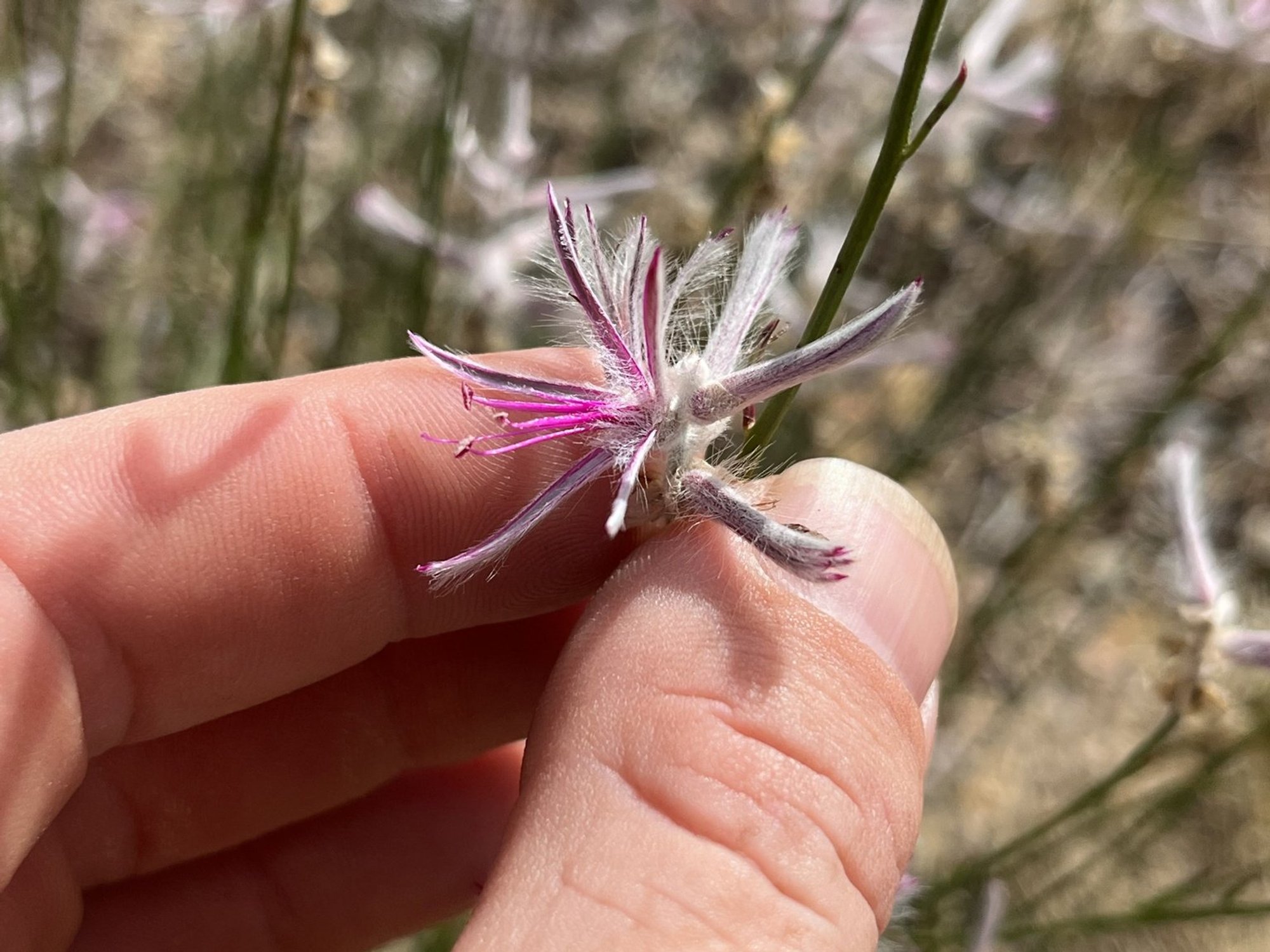
The Ptilotus senarius was spotted for the first time in decades
|AARON BEAN/INATURALIST
These factors led researchers to recommend that Ptilotus senarius be classified under the category of "Presumed Extinct."
The 58-year gap between confirmed sightings represented one of the longest periods without documentation for an Australian plant species later found to still exist.
Mr Bean made the discovery while carrying out bird tagging duties on the remote private property, where he encountered the unusual plant and decided to document it through the app.
The photographs he uploaded were swiftly examined by citizen scientists on the platform, who identified the specimen as Ptilotus senarius.
LATEST DEVELOPMENTS:
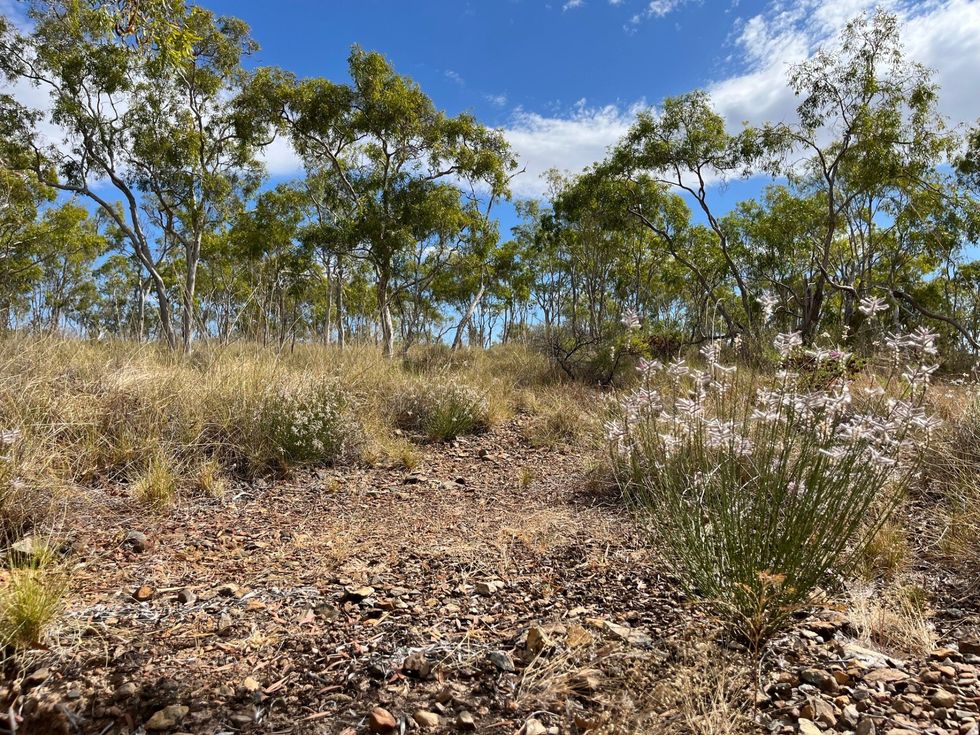
Scientists were able to examine a specimen and confirm the identity of Aaron Bean's find
|AARON BEAN/INATURALIST
To confirm the identification beyond doubt, researchers subsequently collected a physical specimen from the site.
This verification process proved the species had persisted undetected in the landscape for nearly six decades.
Precise whereabouts of the population have been withheld from publication, as the researchers noted in their study: "We have not disclosed the exact location of this population because it occurs on private property."
It is hoped this approach will protect both the landowner's privacy and the vulnerable plant population.
Thomas Mesaglio, an ecologist at the University of New South Wales and lead author of the research paper, explained: "Rediscoveries offer that opportunity to conduct follow-up, targeted surveys and consistent long-term monitoring to give us a better understanding of exactly where and how these species are distributed across the landscape."
He added: "iNaturalist especially has become an invaluable tool for recording biodiversity on private property, which can often be difficult to access by professional researchers."
By July 2025, the platform had accumulated more than 104 million verifiable photographic records of plants globally, covering upwards of 175,000 species.
The app's capacity to make observations available to millions of researchers and naturalists within seconds has proven particularly valuable for locating species surviving in small, isolated populations.