









Scientists may have finally unravelled the long-standing mystery as to why more than 90 per cent of humans are right-handed.
Researchers examined hand preferences across 2,000 individuals in 41 different primate species to reach their conclusions.
Two key factors emerged as the primary drivers of handedness - brain size and limb length.
The study revealed that as our ancestors developed larger brains over millions of years, their tendency towards right-handedness grew.
Genetic factors largely determine which hand a person will prefer, with this trait becoming apparent remarkably early in development.
Unborn babies display a preferred hand from just eight weeks into pregnancy.
Among the primate species examined, most showed no particular preference for either hand.
But humans proved to be an exception to this pattern.

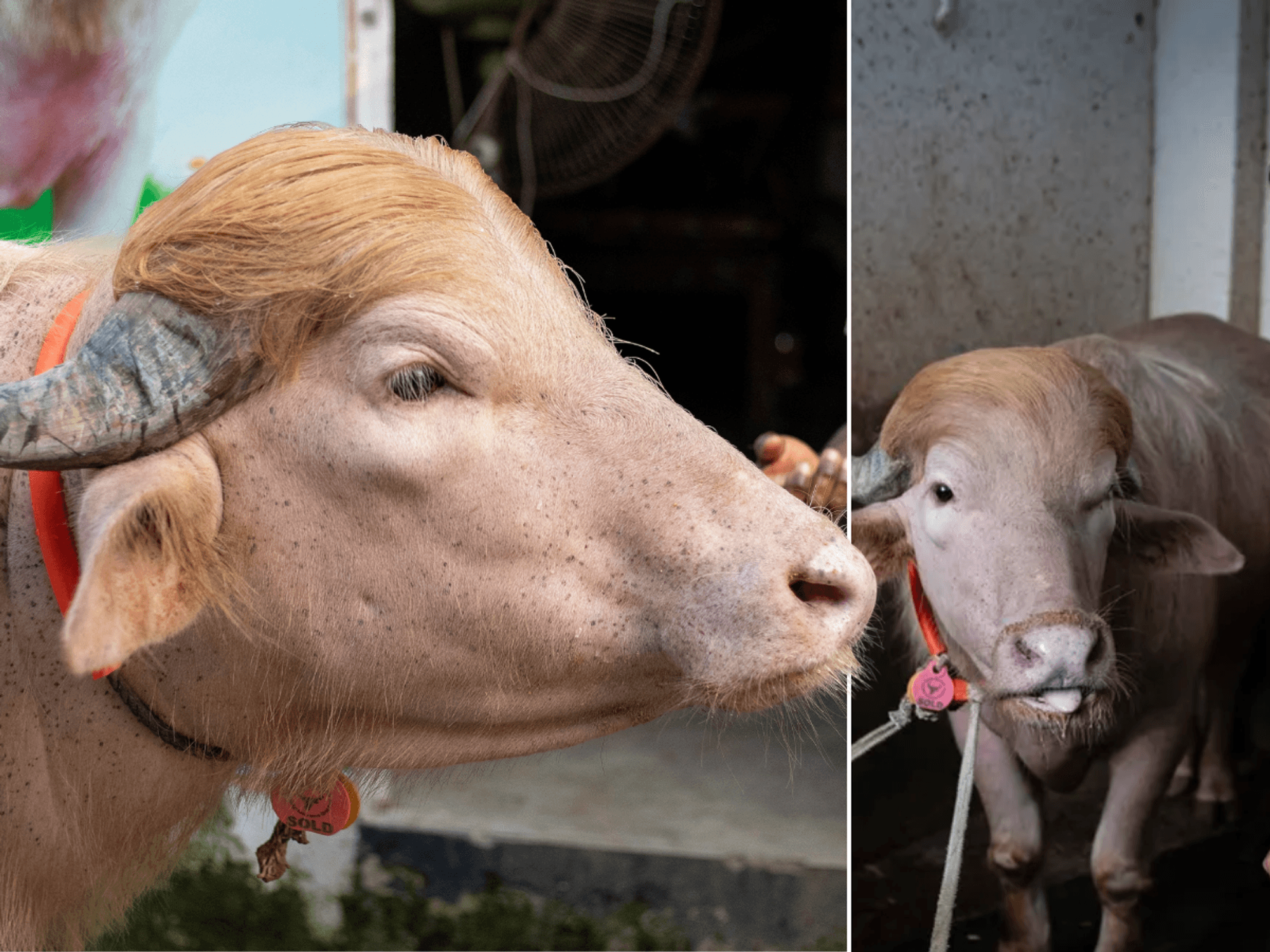
Unborn babies display a preferred hand from just eight weeks into pregnancy
|GETTY
The East Javan langur was the only species found to be more right-handed than humans.
Orangutans and snub-nosed monkeys demonstrated a mild inclination towards using their left hands.
Evidence suggests our ancestors from approximately three million years ago had only a weak preference for their right side.
Species such as Homo ergaster and Homo erectus, dating back around two million years, exhibited a more pronounced right-hand bias.
SCIENCE - READ THE LATEST:
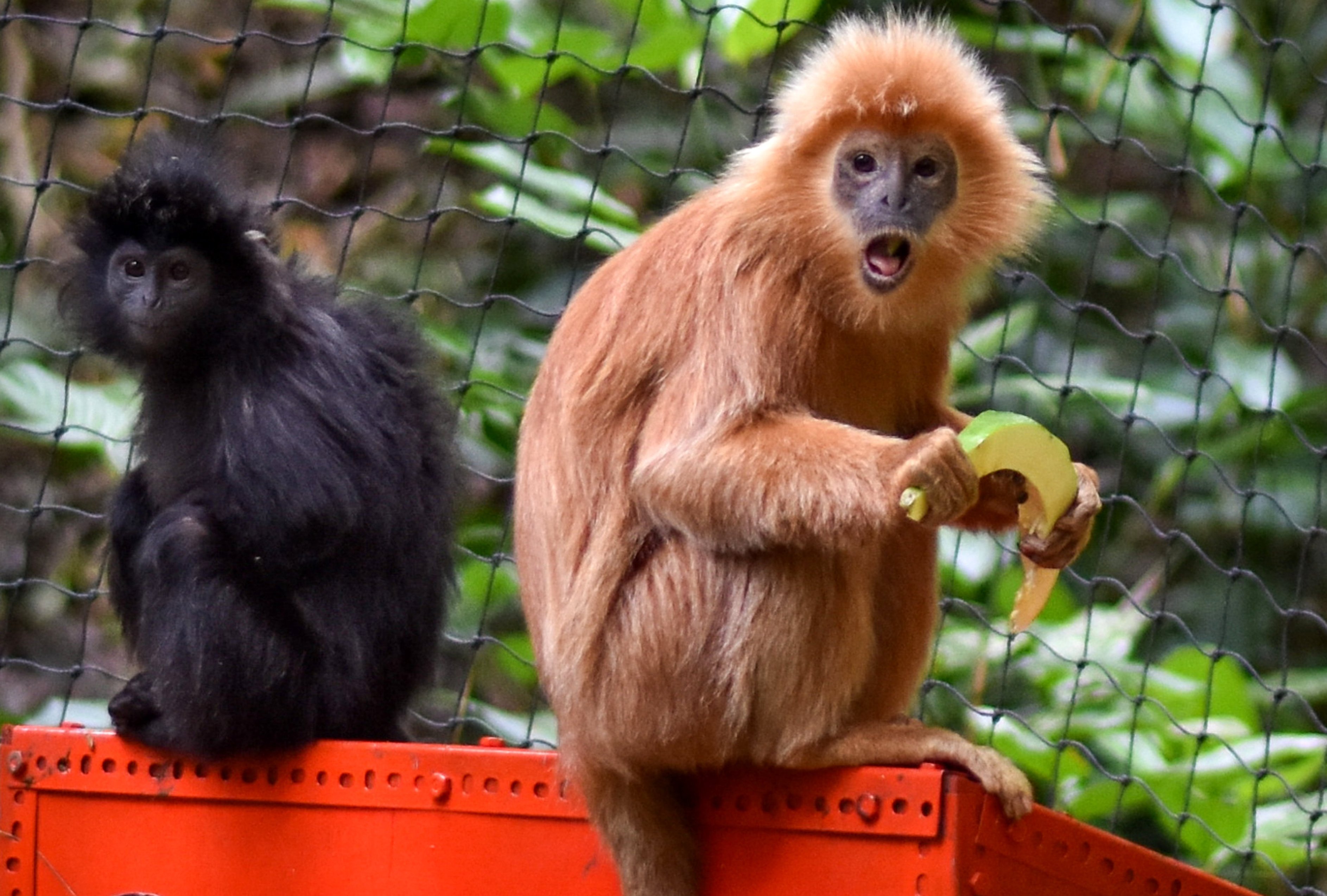
The East Javan langur was the only species found to be more right-handed than humans
|GETTY
This preference strengthened progressively as primates evolved closer to modern Homo sapiens.
Neanderthals were predominantly right-handed.
The shift to walking upright on two legs freed our ancestors' hands for tool use and intricate motor tasks.
The human brain's division into two hemispheres, each handling distinct functions, may explain why right-handedness became embedded in our species.
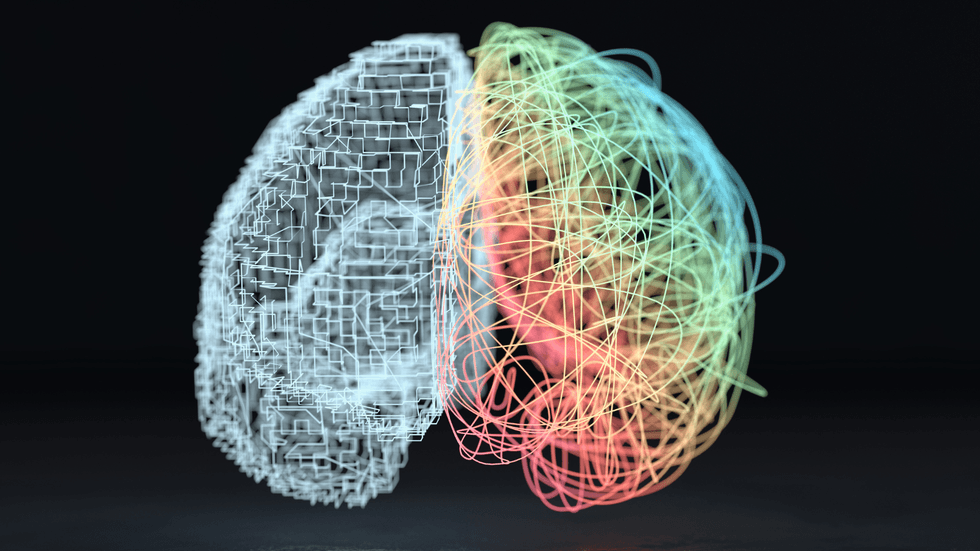
The human brain is divided into two hemispheres, each handling distinct functions
|GETTY
The researchers also noted that "culture may have acted concurrently with or amplified the effects of this emerging trajectory of hominin right-handedness".
In Victorian Britain, left-handed people often faced significant stigma in society, with many believing they were cursed or linked to the devil.
It stemmed from religious interpretations that Lucifer fell from God's left side - and using the left hand for writing, eating or working was seen as a sign of evil or rebellion against society.
In Victorian schools, children caught using their left hand to write were often punished by having their left arms tied behind their backs in a bid to "correct" their behaviour.
While in Islam, the left hand is generally reserved for personal hygiene - including cleaning oneself after using the toilet.
Our Standards: The GB News Editorial Charter