










Scientists have made a significant discovery that sheds new light on the genesis of backboned animals.
A study by researchers at the University of St Andrews found an increase in protein variety within certain genes may have driven the evolution of vertebrates, which include mammals, birds, certain fish and reptiles.
It revealed during their development, vertebrate animals make more versions of particular proteins per gene than invertebrates.
These proteins, situated at the foundation of cellular communication systems act as controllers, functioning similarly to a traffic management system by directing cells towards particular responses and patterns of gene expression.
TRENDING
Stories
Videos
Your Say
The researchers used gene-sequencing methods to compare how many different versions of each gene are made in three species, covering the evolutionary transition from invertebrates to vertebrates.
The study, published in BMC Biology, notes: "We find a significant increase in the number of transcript isoforms per gene expressed during embryo development and organogenesis at the invertebrate-to-vertebrate transition."
"Our analyses demonstrate distinctive increases in isoform diversity at the invertebrate-to-vertebrate transition specifically among transcription factor effectors of key intercellular signalling pathways that drive cell type diversity," it adds.
"This distinctive change, focused on these specific gene families...goes beyond the previous observations of a general correlation between increased isoform diversity and evolution of animal complexity.
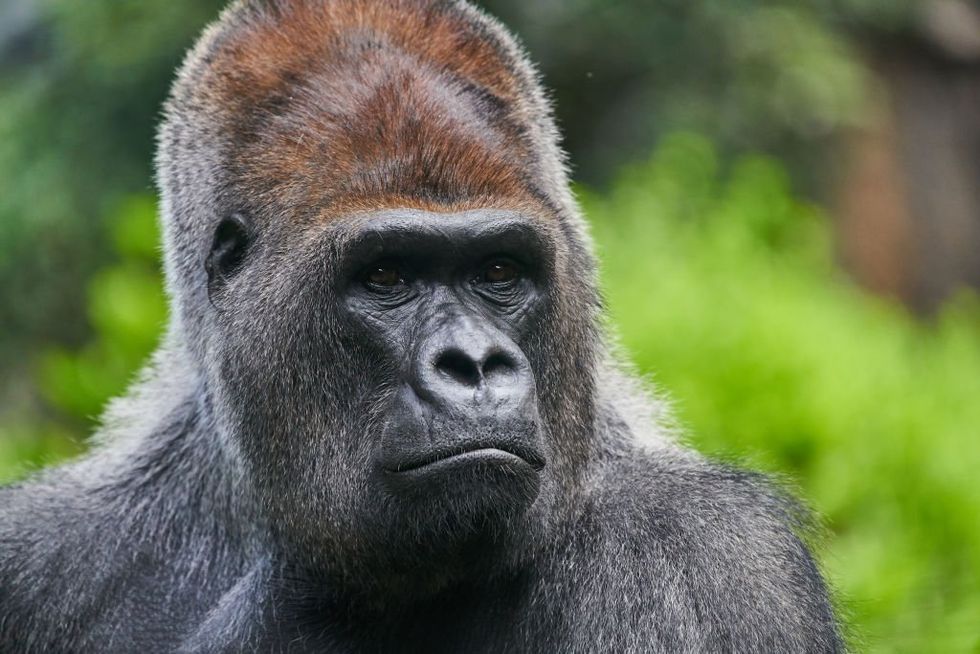
The study found that an increase in protein variety within certain genes may have driven the evolution of vertebrates
|GETTY/EYES WIDE OPEN
"This demonstrates likely disproportionate roles for these specific transcription factor families in the evolution of vertebrate complexity, which needs to be explored with future functional assays of these various isoforms."
Professor David Ferrier, from the School of Biology at the University of St Andrews, led the study.
He said it was "surprising" to see the distinctiveness of the particular genes analysed compared to others which have been previously studied.
Beyond evolutionary insights, the findings carry implications for medical research.
LATEST DEVELOPMENTS

Researchers from the University of St Andrews produced the study
|GETTY
Since signalling pathways are primary targets in treating cancer among other conditions, understanding isoform diversity could help develop precision therapies that more effectively manipulate these pathways.
The study notes: "The cWnt (canonical Wnt) pathway has a variety of roles in animal homeostasis and development, including involvement in development of the anterior-posterior and dorsal-ventral axes.
"It is also associated with many human diseases such as cancers, diabetes and mental disorders."
Our Standards: The GB News Editorial Charter