










Scientists have confirmed for the first time that the ancestors of mammals reproduced by laying eggs, following the discovery of a 250-million-year-old fossilised embryo in South Africa.
Therapsids, which existed roughly 250 million years ago, are considered the closest ancient relatives of modern mammals, earning them the description "mammalian ancestors".
For over 150 years of South African palaeontology, no fossil had ever been conclusively identified as a therapsid egg.
However, scientists said this is first definitive evidence we mammal ancestors like lystrosaurus laid eggs, making it a "true milestone in the field."
While Lystrosaurus is not a direct forebear of humans, it represents a close evolutionary cousin.
The remarkable specimen was unearthed in 2008 near Oviston in South Africa's Eastern Cape province by palaeontologist John Nyaphuli. It has since been housed at the National Museum in Bloemfontein.
The fossil revealed a tightly curled infant Lystrosaurus, a stout creature roughly the size of a pig with naked skin and a turtle-like beak used for consuming plants, with two tusks protruding downward from its mouth.
As careful preparation work continued on the fossil, it became apparent that the specimen contained a perfectly curled hatchling.
A Lystrosaurus dinosaur has been described as a distant cousin of humans
|GETTY
From the outset, researchers suspected the creature had perished while still encased in an egg, yet no visible shell remained and the technology needed to verify this theory did not exist at the time.
The breakthrough came through advanced synchrotron X-ray CT scanning at the European Synchrotron Radiation Facility in Grenoble, France.
This powerful technology allowed researchers to examine the internal structure of the embryo's bones in unprecedented detail.
The scans revealed a crucial piece of evidence: the lower jaw bones had not yet fused together.
In modern turtles and birds, these jaw bones join during gestation to ensure hatchlings can feed themselves upon emerging.
LATEST DEVELOPMENTS
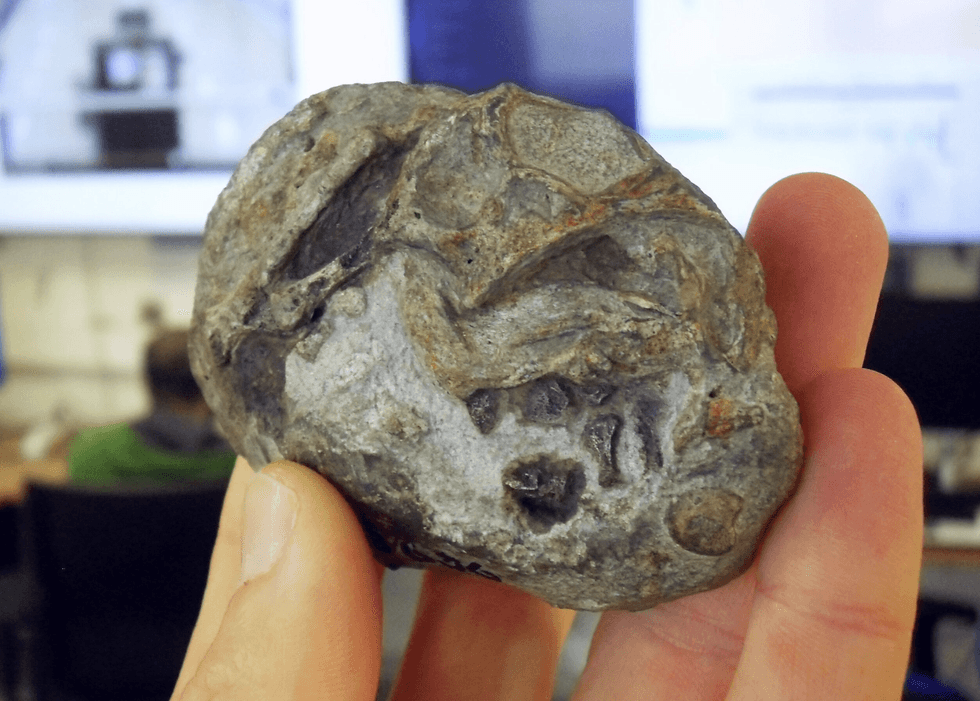
New research into the specimen revealed the discovery
|Professor Julien Benoit
"I was genuinely excited," recalled University of Witwatersrand palaeobiologist Julien Benoit. "The fact that this fusion had not yet occurred shows that the individual would have been incapable of feeding itself."
This unfused jaw proved the infant had died before hatching. The absence of any hard shell indicated the egg was soft and leathery in texture.
The discovery sheds light on how Lystrosaurus survived one of Earth's most catastrophic events.
Approximately 252 million years ago, the Permian-Triassic mass extinction obliterated more than 95 per cent of all species on the planet.
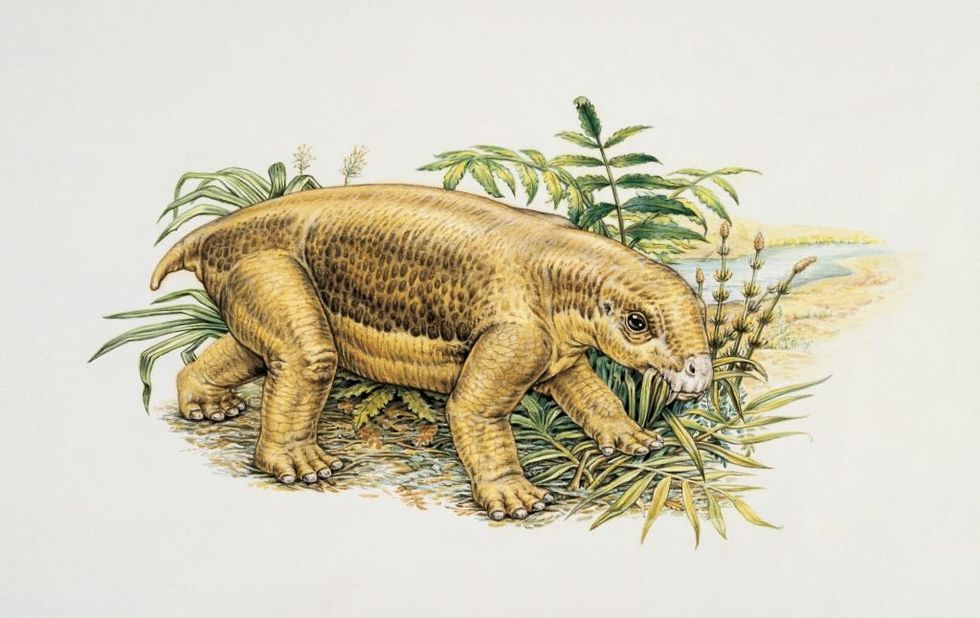
The Lystrosaurus was wiped out along with the other dinosaurs
|GETTY
This cataclysm, far more devastating than the asteroid strike that later killed the dinosaurs, is believed to have been triggered by enormous volcanic eruptions in present-day Siberia.
The eruptions released vast quantities of carbon dioxide, causing severe global warming and acidifying the oceans.
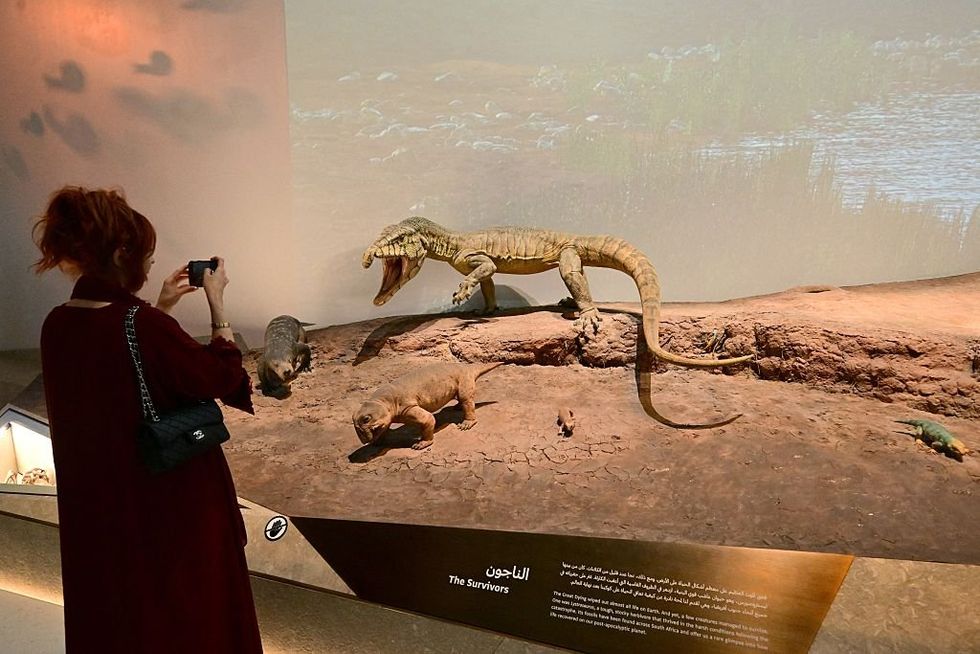
Amid this devastation, therapsids including Lystrosaurus managed to endure.
Scientists believe their survival was aided by burrowing behaviour and warm-bloodedness, which helped them withstand extreme environmental conditions.
Their reproductive strategy may also have proved vital to their persistence through this period of ecological collapse.
The large size of Lystrosaurus eggs appears to have been key to the species' resilience.
Bigger eggs contain more yolk to nourish developing embryos and are more resistant to drying out, a critical advantage during the harsh, arid conditions that followed the extinction event.
The substantial egg size also suggests Lystrosaurus young emerged at an advanced developmental stage, capable of finding food independently and fleeing from predators shortly after hatching.
This allowed them to mature rapidly and begin reproducing at a young age.
Professor Benoit said: "This research is important because it provides the first direct evidence that mammal ancestors, such as lystrosaurus, laid eggs, resolving a longstanding question about the origins of mammalian reproduction."
The findings were published in the journal PLOS One.