










A super-bug resistant to multiple modern antibiotics has been discovered trapped in 5,000-year-old ice.
The bacteria was found in the Scarisoara ice cave in Romania after scientists drilled 25 metres into its core.
The ancient strain, dubbed Psychrobacter SC65A.3, was found to be resistance to 10 kinds of modern antibiotics, including ciprofloxacin, a broad-spectrum antibiotic designed to kill many types of germs.
Despite its natural resistance, scientists propose it could be used to combat antibiotic resistance by providing insight into how resistance evolves and spreads.
TRENDING
Stories
Videos
Your Say
Dr Cristina Purcarea, a senior scientist at the Institute of Biology Bucharest of the Romanian Academy and author of the study said: "The Psychrobacter SC65A.3 bacterial strain isolated from Scarisoara ice cave, despite its ancient origin, shows resistance to multiple modern antibiotics and carries over 100 resistance-related genes.
"But it can also inhibit the growth of several major antibiotic-resistant ‘superbugs’ and showed important enzymatic activities with important biotechnological potential."
The super-bug is a form of Psychrobacter bacteria which can be found in cold environments and cause infections to humans or animals.
The team drilled from a section of the cave known as the Great Hall, with ice fragments from the core placed in sterile bags to avoid contamination.
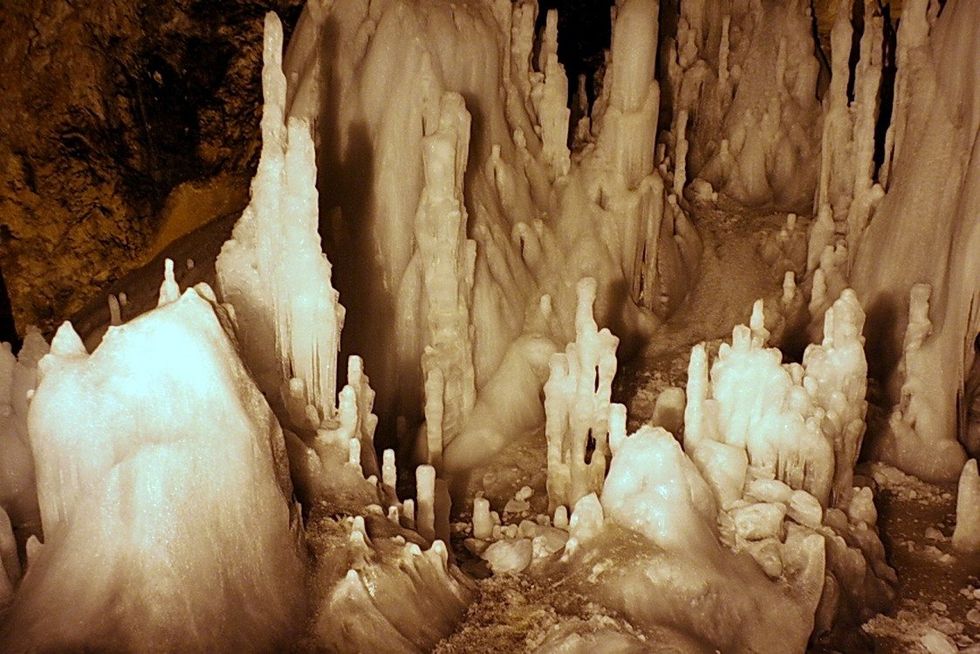
An area within the Scarisoara ice cave where the bacteria was found
|WIKIMEDIA
The researchers then isolated various bacterial strains and sequenced their genomes to determine which genes allow the strain to survive in extreme cold and salt conditions, environments that would usually stop bacteria from growing.
They also sequenced the genes to determine which make them resistant to anitbiotics.
Dr Purcarea said: "The 10 antibiotics we found resistance to are widely used in oral and injectable therapies used to treat a range of serious bacterial infections in clinical practice."
The antibiotics included rifampicin, vancomycin, and ciprofloxacin, which are used to treat everything from UTIs to tuberculosis.
LATEST SCIENTIFIC DISCOVERIES:
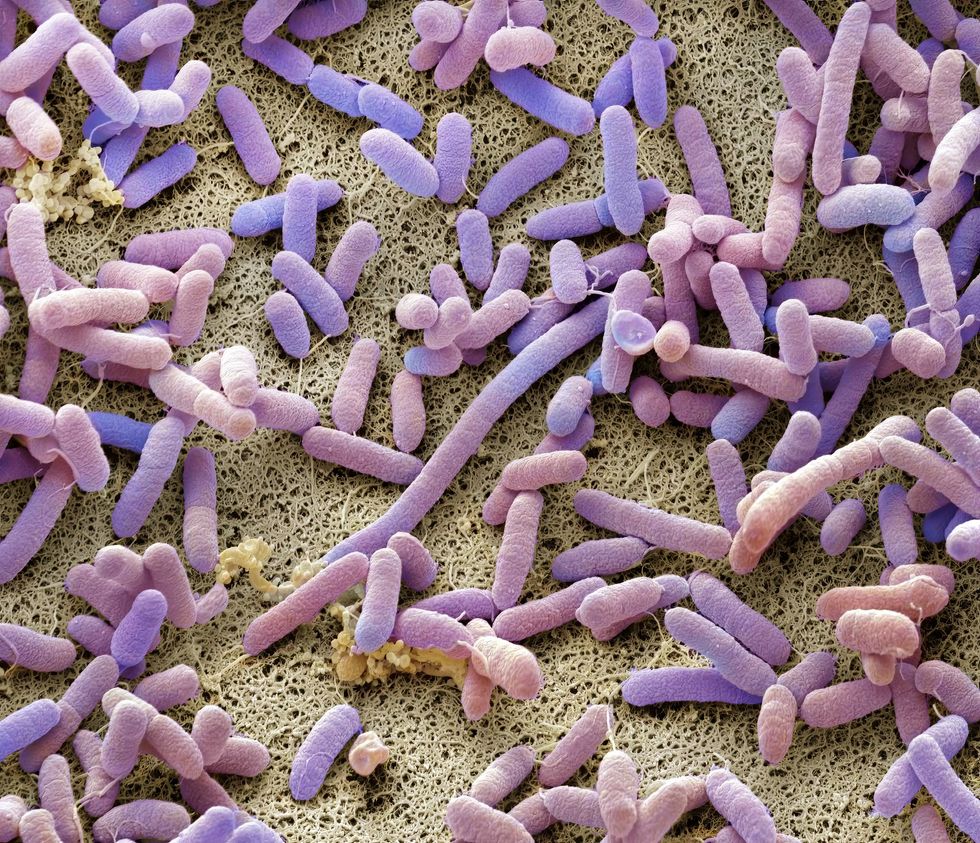
The bacteria could yield insights into how antibiotic resistance has evolved
|GETTY
The researchers wrote in the journal Frontiers in Microbiology that the strain could act as a "reservoir" of resistance genes
Dr Purcarea added: "If melting ice releases these microbes, these genes could spread to modern bacteria, adding to the global challenge of antibiotic resistance.
"On the other hand, they produce unique enzymes and antimicrobial compounds that could inspire new antibiotics, industrial enzymes, and other biotechnological innovations."
Of 600 genes with unknown purposes, analysis found that 11 could have the potential to kill or stop the growth of other bacteria, fungi, or viruses.
Dr Purcarea said these findings are increasingly important in a world where antibiotic resistance is a growing concern.
Ancient genomes and their potential highlights the role of natural environments in the evolution of antibiotic resistance, she said.
She added: "These ancient bacteria are essential for science and medicine, but careful handling and safety measures in the lab are essential to mitigate the risk of uncontrolled spread."
About 7,600 people now die from antibiotic-resistant infections each year in the UK.