










Nasa officials have issued a stark warning that Earth currently has no means of defending itself against approximately 15,000 undetected asteroids capable of destroying entire cities.
Dr Kelly Fast, Nasa's Planetary Defense Officer, revealed at the American Association for the Advancement of Science conference in Phoenix that these medium-sized meteors, measuring at least 140 metres across, represent the greatest threat to our planet.
She said: "What keeps me up at night is the asteroids we don't know about."
Scientists estimate roughly 25,000 such objects orbit near Earth, yet Nasa has only managed to locate around 40 per cent of them.
TRENDING
Stories
Videos
Your Say
Dr Fast explained that even the most advanced telescopes struggle to detect these threats, which could inflict severe regional destruction if they struck populated areas.
The 2022 Double Asteroid Redirection Test demonstrated that humanity could successfully alter an asteroid's trajectory by deliberately crashing a spacecraft into it at 14,000mph.
Dr Nancy Chabot, the Johns Hopkins University planetary scientist who led that pioneering mission, expressed deep concern about the current state of readiness.
She said: "Dart was a great demonstration but we don't have that sitting around ready to go if there was a threat we needed to use it for."
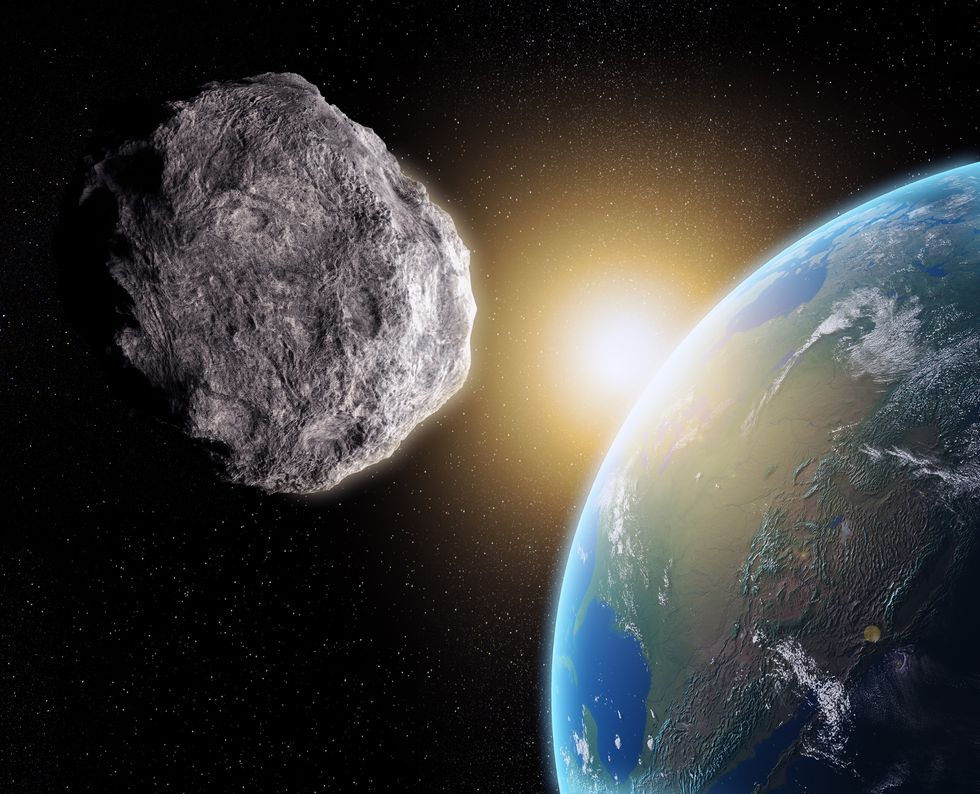
Nasa officials have issued a stark warning that Earth currently possesses no means of defending itself against approximately 15,000 undetected asteroids capable of destroying entire cities
| GETTYTherefore, she warned should a dangerous asteroid be detected heading towards Earth tomorrow, there would be no means of actively deflecting it.
"We could be prepared for this threat. And I don't see that investment being made," she cautioned, suggesting space agencies lack sufficient funding to maintain adequate defences.
The mid-sized asteroids pose a particular challenge precisely because they are much more difficult to detect.
Massive asteroids, such as the one that caused the extinction of the dinosaurs some 66 million years ago, are relatively straightforward to track due to their size.
LATEST DEVELOPMENTS
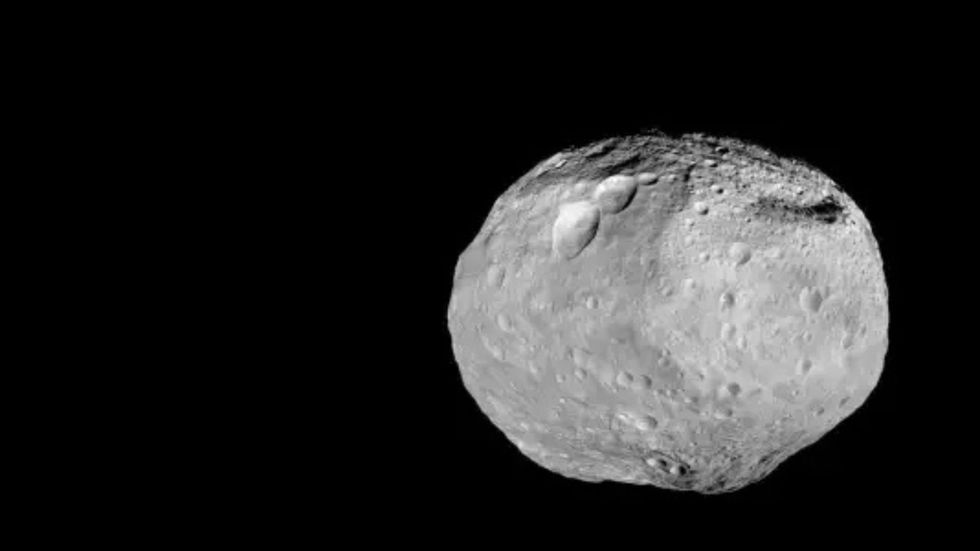
Medium-sized asteroids pose a particular challenge as they are much more difficult to detect and could cause devastation
|NASA
"We're not so much worried about the large ones from the movies, because we know where they are," Dr Fast noted.
Similarly, small debris strikes our planet frequently without causing significant harm.
It is the 140-metre category that troubles scientists most, being substantial enough to cause catastrophic regional damage yet sufficiently small to evade current detection methods.
"It's the ones in between that could pose regional damage," Dr Fast explained.
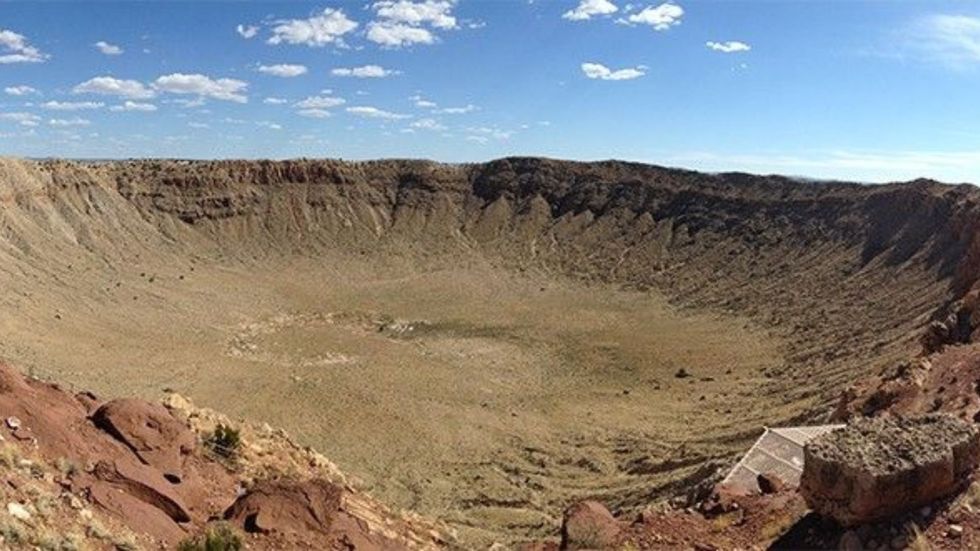
Historical asteroids have left lasting craters in the Earth, such as this one in Arizona
|NASA
Nasa's forthcoming Near-Earth Object Surveyor mission, scheduled for launch next year, aims to address this critical surveillance gap.
The space telescope will employ thermal signatures to identify both bright and dark asteroids, the latter being particularly difficult to spot using conventional methods that rely on reflected sunlight.
The agency has set an ambitious target of cataloguing more than 90 per cent of near-Earth objects exceeding 140 metres in diameter within a decade of the mission's deployment.
"We're searching skies to find asteroids before they find us, and get them before they get us," Dr Fast concluded.
The warning comes after last year's scare involving asteroid YR4, which briefly appeared to have a collision probability of several per cent before further analysis ruled out any threat to Earth.
Our Standards: The GB News Editorial Charter