










The Wildlife Trusts have officially designated 2025 as "the year of the octopus" following an surge in numbers of the creatures along England's southern coastline.
This population explosion represents the most significant octopus bloom witnessed in British waters since 1950, according to the charity's annual review of the nation's seas.
Cornwall Wildlife Trust reported a combination of gentle winter temperatures and an unusually balmy spring created ideal conditions for what conservationists are calling an "octopus bloom" stretching from Penzance in Cornwall through to south Devon.
The common octopus, known scientifically as Octopus vulgaris, typically exists in such limited quantities around British shores that encounters remain exceptionally rare, making this year's phenomenon all the more remarkable.
TRENDING
Stories
Videos
Your Say
The sheer magnitude of this year's influx has astonished marine experts.
Approximately 233,000 octopuses were landed by fishers in UK waters during 2025, representing a staggering thirteen-fold increase on typical annual figures.
Marine Conservation Officer at Cornwall Wildlife Trust Matt Slater said: "The scale of the catch [recorded by local fishers] was of the order of about 13 times what we would normally expect in Cornish waters.
"When we added up the numbers, approximately 233,000 octopuses were caught in UK waters this year, that's a huge increase from what you would normally expect."
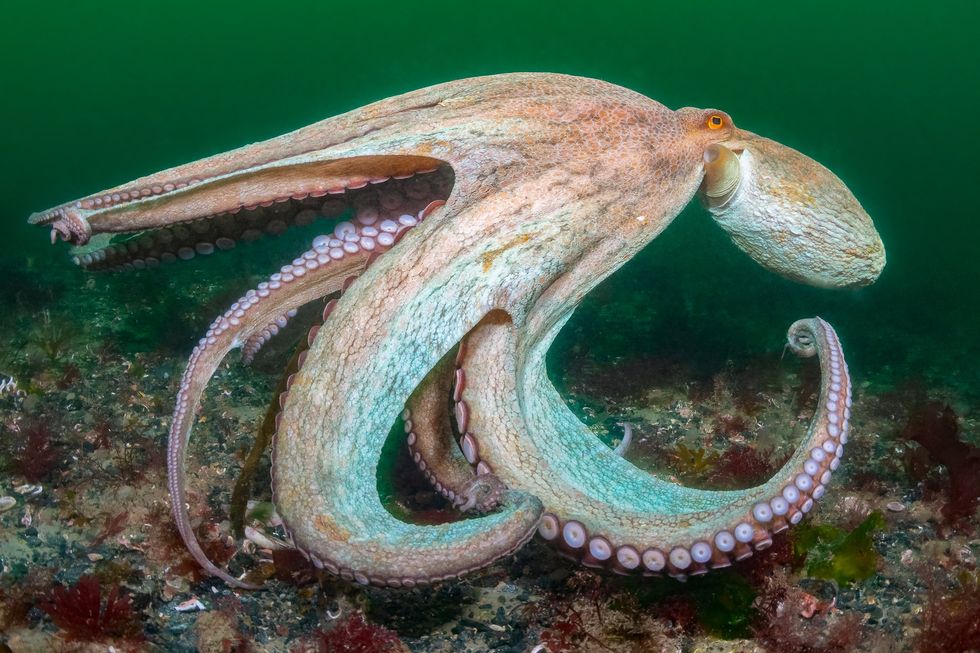
There has been a rise in octopi in the seas around Cornwall
|PA
The favourable weather patterns proved crucial for larval survival rates.
Abundant spider crab populations recorded along the south coast in recent years may also have contributed by providing plentiful food sources for the growing octopus population.
The unprecedented abundance meant these intelligent creatures could be observed in shallow waters with ease for the first time in living memory.
Divers captured footage showing octopuses congregating in groups, a striking departure from their typically solitary nature, while others were filmed traversing the seabed by walking on the tips of their limbs.
LATEST DEVELOPMENTS
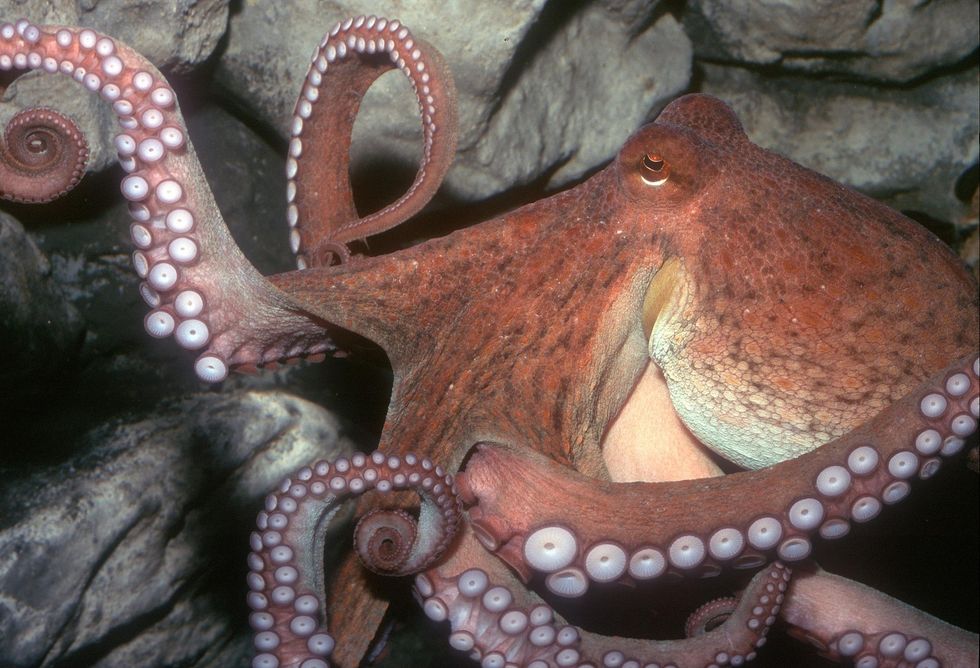
Around 233,000 octopuses were landed by fishers in UK waters during 2025
|PA
One bold individual was even recorded attempting to grab an underwater camera.
Mr Slater said: "The first time I dived off the Lizard peninsula this year I saw five octopuses. And these are big.
"There are two types of octopus in UK waters. There is the curled octopus, which is quite small, only getting to about the size of a football, but these common octopuses can be up to a metre and a half wide."
With another mild winter forecast heading into 2026, Mr Slater suggested a second consecutive bloom remains possible, noting historical patterns show these population surges have previously repeated across two successive years.
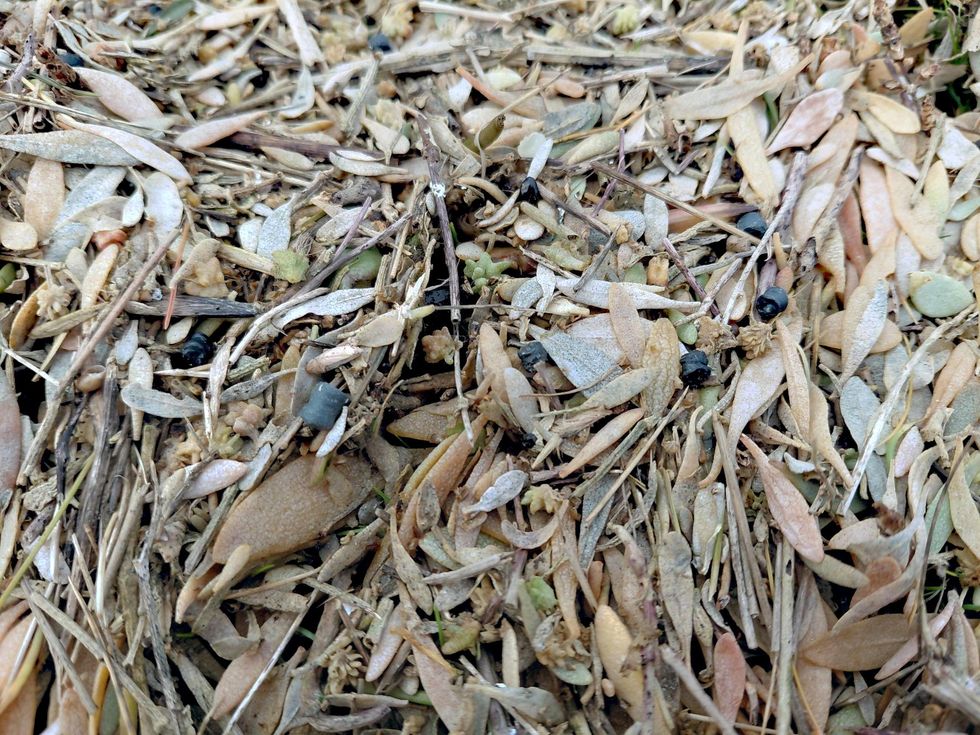
A collision between an oil tanker and a container ship in the North Sea in March spilling huge quantities of plastic resin pellets
|PA
Mr Slater said: "However, it is unlikely, based on past events, that it will go on for a long time.
"But the sea keeps giving us surprises at the moment so it's quite an unpredictable situation."
Beyond octopuses, the Wildlife Trusts highlighted other positive developments including record grey seal numbers at South Walney nature reserve in Cumbria and an all-time high of 46,000 puffins counted on Skomer island off the Welsh coast.
However, Head of Marine Conservation at the Wildlife Trusts Ruth Williams issued a warning about the state of Britain's coastline.
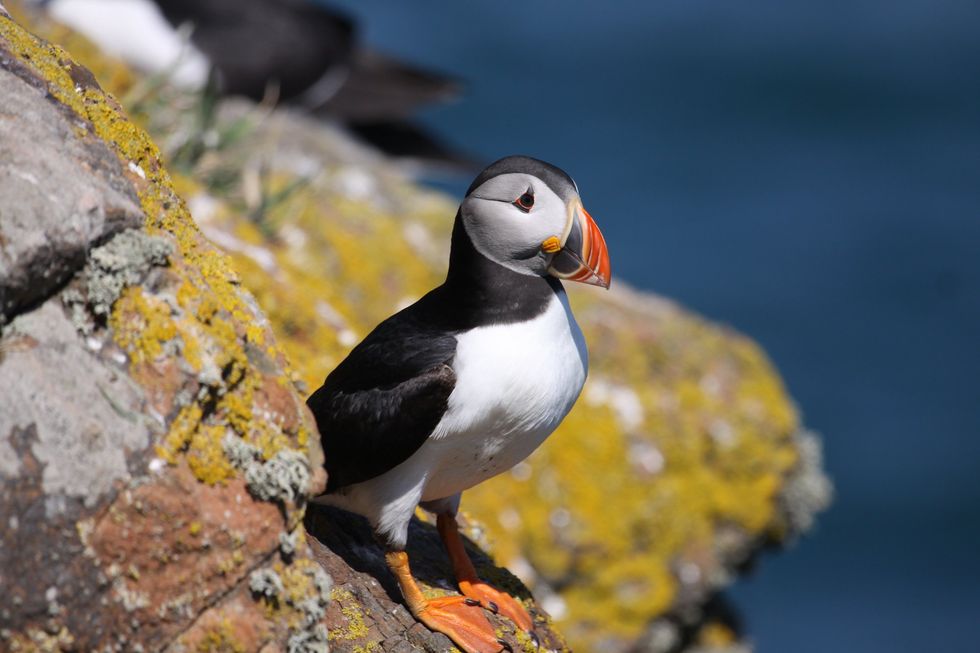
A record 46,000 puffins recorded on Skomer, Pembrokeshire, by the Wildlife Trusts of South and West Wales,
|PA
She said: "The year was bookended by environmental disasters.
"[There was] the North Sea tanker collision in March and in November the release of tonnes of biobeads off the Sussex coast.
"Our Wildlife Trusts staff and volunteers are making huge efforts to protect and restore our shorelines."
Our Standards: The GB News Editorial Charter