






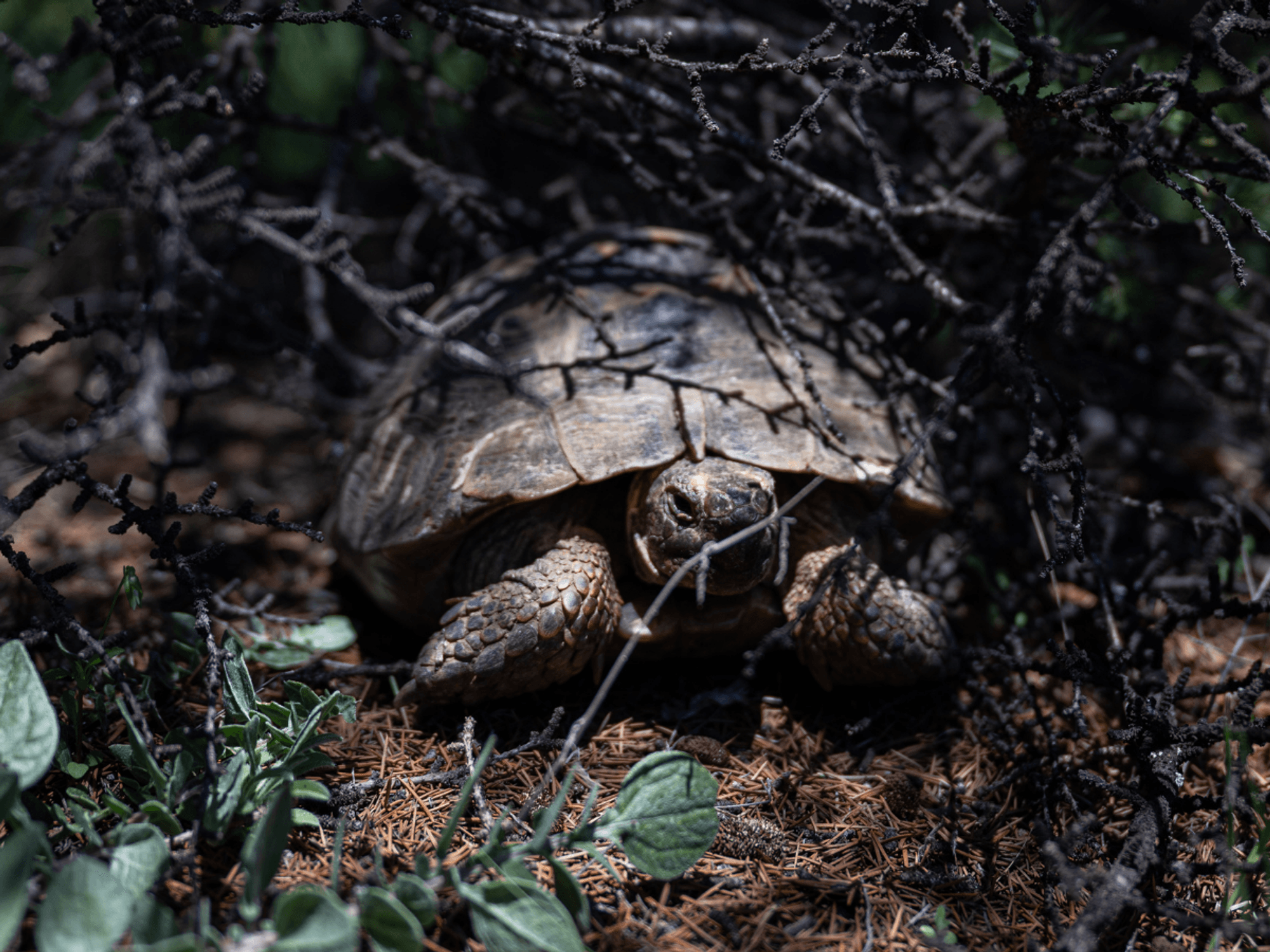



A remarkable collection of fossils unearthed in southwestern China could completely rewrite what we know about prehistoric life.
Analysis of the material discovered in the country's Yunnan province suggests sophisticated animal life could have emerged at least four million years before scientists previously estimated.
A team of international researchers working at the Jiangchuan Biota site excavated roughly 700 specimens during expeditions conducted between 2022 and 2025, with their findings published in the journal Science.
The discovery challenges long-held assumptions about when complex creatures first appeared on Earth, which scientists had traditionally linked the emergence of diverse animal forms to the Cambrian period approximately 542 million years ago.
However, these newly recovered fossils date to the Ediacaran era, suggesting complex organisms, potentially including the earliest ancestors of all vertebrates, were thriving between 554 million and 539 million years ago.
The excavation site itself spans an area of roughly 50 square metres, comparable to about a dozen king-size mattresses, yet yielded an extraordinary variety of specimens.
Among the creatures preserved were goblet-shaped organisms resembling sea jelly relatives, complete with tiny arm-like appendages.
Researchers also recovered plump, legless animals with a sausage-like appearance, alongside elongated worm-shaped creatures equipped with flat disc structures that anchored them to the ancient seafloor.
What makes these fossils particularly valuable is their exceptional state of preservation. The boneless organisms were rapidly buried and compressed between rock layers, creating detailed two-dimensional impressions of their soft tissues.
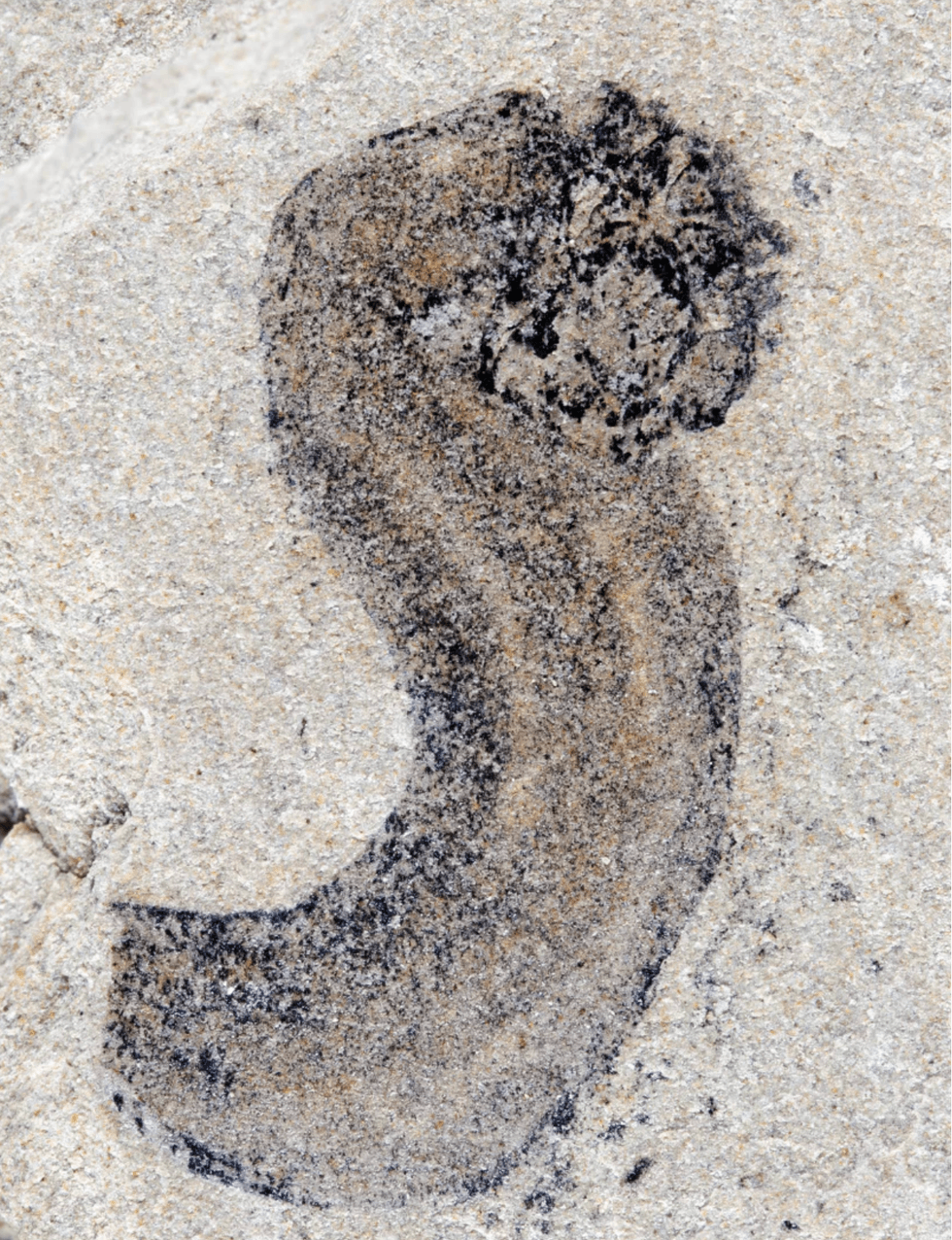
Newley discovered fossils may change our understanding of evolution
|GAORONG LI
Feeding apparatus, fragile limbs, and even traces of internal organs remain visible—features that typically disappear during the fossilisation process.
Ross Anderson, an associate professor of natural history at the University of Oxford and study co-author, described the significance of the find: "We found what's been long hoped for, which is a Cambrian-like preservation in the Ediacaran."
He added: "It really is a treasure trove of bilateral fossils, something that we did not have before."
Jo Wolfe, an associate at Harvard University's department of organismic and evolutionary biology who was not involved in the research, noted the unusual nature of the discovery: "It's a fairly unusual situation to have a mixture of Ediacaran-style and Cambrian-style organisms in a single locality.
LATEST DEVELOPMENTS:
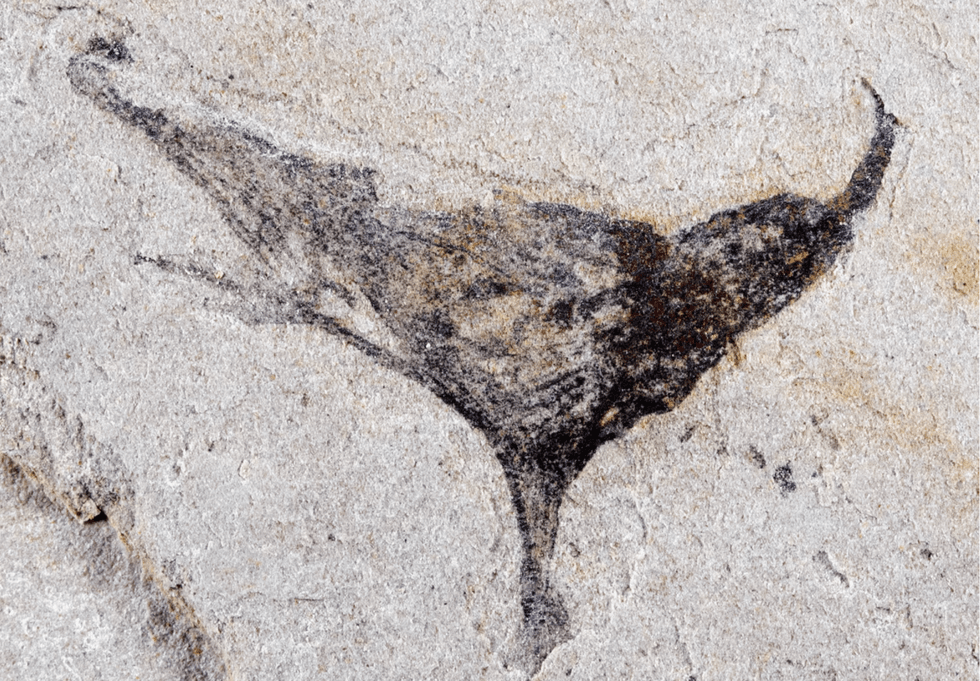
The fossils were found within a relatively small area
|GAORONG LI
"It's blurring the boundaries between what are Ediacaran and Cambrian life-forms."
Perhaps most striking are specimens potentially representing deuterostomes, the animal group encompassing vertebrates, starfish, and sea urchins.
Mr Anderson observed: "It shows that our vertebrate ancestors were around at this pretty early stage in animal evolution."
Ms Wolfe cautioned that classifying ancient organisms from limited fossilised characteristics presents challenges, particularly when specimens lack preserved DNA and bear no resemblance to modern creatures.
"The biggest difficulty with the Ediacaran organisms is that you have to hang your interpretation on very few characters," she explained.
Despite the discoveries pushing back the timeline for complex life, the Cambrian explosion retains its distinctive importance.
Mr Anderson noted: "In that sense, I still think the Cambrian is quite unique."
Nevertheless, the evidence increasingly suggests the evolutionary surge traditionally associated with the Cambrian "perhaps stretching back into the Ediacaran."
Future investigations will examine the specific conditions at Jiangchuan Biota that enabled such remarkable preservation, whilst researchers continue exploring the ecology and biology of these ancient organisms—among them our earliest evolutionary ancestors.