










Hormonal shifts during menopause frequently cause women to struggle with their weight, particularly around the midsection.
This phenomenon, often referred to as the "midlife belly," affects countless women navigating this life transition.
But selecting appropriate foods while adjusting exercise routines can substantially aid weight management during this period, according to health professionals.
Elizabeth Ward, a registered nutritionist, dietitian, and co-author of The Menopause Diet Plan, stresses that preserving muscle tissue and remaining physically active are the cornerstones of preventing unwanted weight gain during menopause.
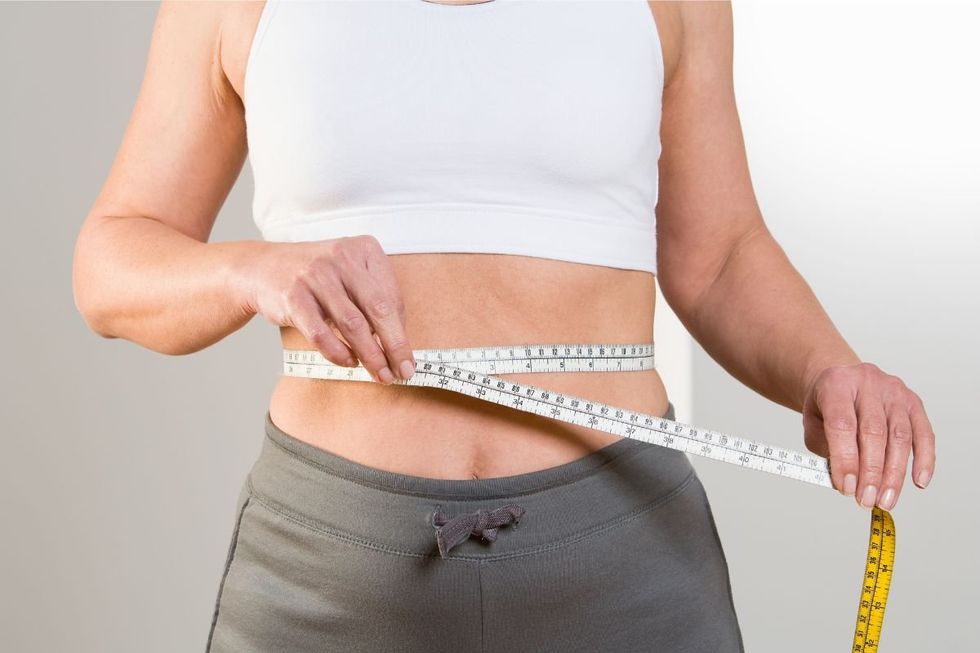
Quick-fix diets can strip the body of crucial minerals
|GETTY
Consuming sufficient protein plays a vital role in building and maintaining muscle, Ms Ward explained.
The body also expends more energy processing protein compared to fats or carbohydrates, offering a modest metabolic advantage.
Ms Ward told GB News: "Women should get between 1.2 and 1.6 grams per kilo of body weight every day. The higher end is associated with less muscle tissue loss on a weight loss diet."
For a woman weighing 70kg, this translates to roughly 84 to 112 grams of protein daily.
Those actively trying to shed pounds should aim towards the upper threshold to better protect their existing muscle mass.
LATEST DEVELOPMENTS
Protein should form part of a broader eating plan incorporating nutrient-dense carbohydrates, Ms Ward advised.
Fruits, vegetables, legumes, lentils and whole grains provide essential fibre that promotes satiety.
Ms Ward told GB News: "Women should think long-term, not only about their weight but also about their health."
She cautioned against quick-fix dieting approaches, noting they strip the body of crucial minerals.
Ms Ward explained: "Short-term diets for weight loss deplete nutrients such as calcium and magnesium needed for bone health, and they decrease muscle and bone mass."
Such restrictive regimes may therefore prove counterproductive, undermining skeletal strength precisely when women need it most.
Physical activity remains essential, with Ms Ward recommending a combination of cardiovascular exercise and resistance training for optimal results.
She told GB News: "Focus on getting the exercise you need, a mix of cardio and strength training, and eating an enjoyable, nutritious diet for the long haul."
Restrictive regimes often prove ineffective for weight loss
|GETTY
Strength work proves particularly valuable for preserving muscle mass, while aerobic activity supports heart health and calorie expenditure.
Beyond exercise, Ward suggests eliminating superfluous calories from one's diet.
She noted: "Cutting back on alcohol, chips and other extraneous calories is highly beneficial for weight control."
Adopting sustainable habits rather than pursuing dramatic short-term measures offers women the best prospect of lasting success.
Our Standards: The GB News Editorial Charter