









It turns out our Stone Age ancestors were far more sophisticated than we ever imagined.
A fascinating new study led by the University of York has found families living in Britain and Europe between 5,000 and 8,000 years ago enjoyed "surprisingly complex" cuisine.
These ancient cooks were not just munching on raw meat and berries – they were actually crafting elaborate meals with real skill.
The research shows prehistoric Europeans combined fish, meat, fruit and vegetables in cooked dishes that followed distinct local recipes, painting a picture of culinary traditions we never knew existed.
TRENDING
Stories
Videos
Your Say
Dr Lara González Carretero, from the University of York, led an international team of researchers from eight countries to uncover these prehistoric dining habits.
The team examined organic remains found on 58 pieces of ancient pottery dug up at 13 sites across northern and eastern Europe.
Rather than relying on the usual method of analysing fatty residues – which mostly reveals animal remains – the researchers used a clever combination of sophisticated microscopes and chemical analysis.
This approach allowed them to identify charred "foodcrusts" left on pots and bowls, giving them a much fuller picture of what was actually being cooked.
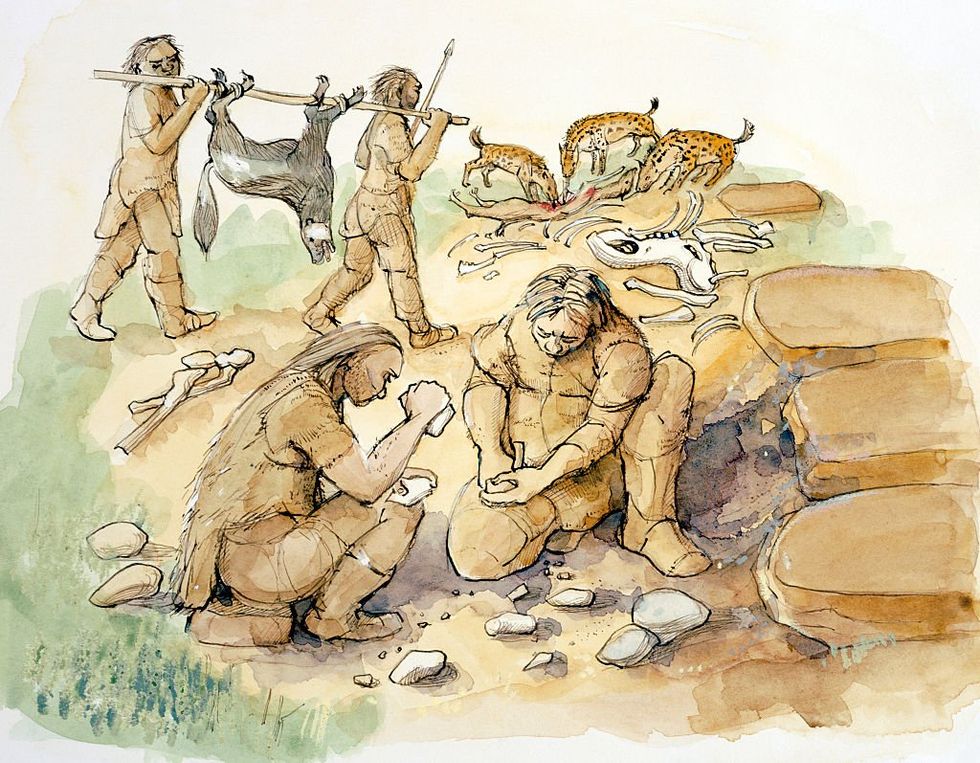
Stone Age ancestors were far more sophisticated than first thought
|GB NEWS
The ingredients list reads like a prehistoric feast menu.
Mixed in with freshwater fish and shellfish, scientists found wild grasses, legumes, fleshy fruits, berries, green vegetables and root vegetables.
Barley, wild oats, brome grass and leafy greens like goosefoot and saltbush all made appearances, along with guelder rose berries.
What is brilliant is how recipes varied by region.
LATEST DEVELOPMENTS
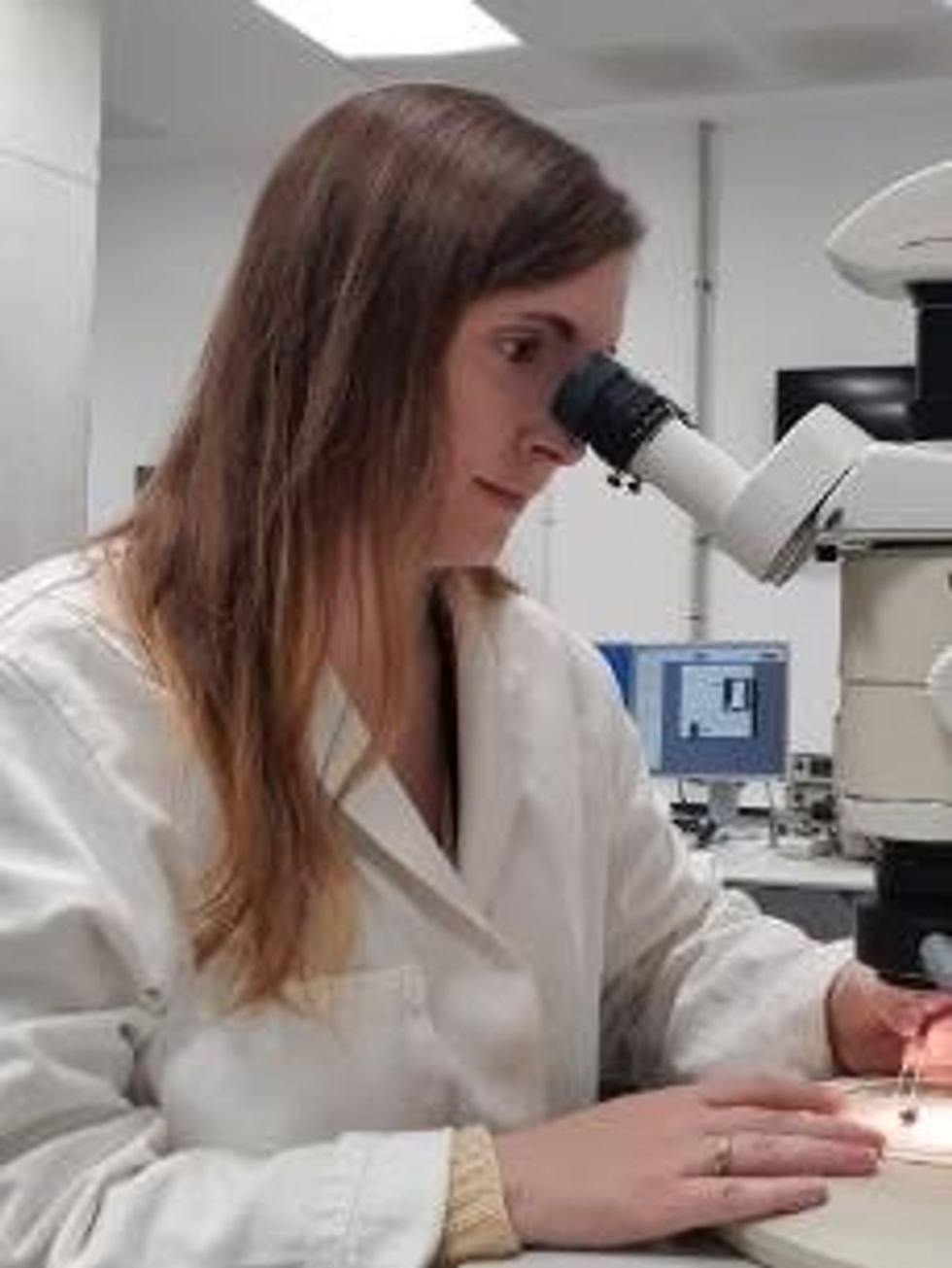
Dr Lara González Carretero led an international team of researchers
|UNIVERSITY OF YORK
In the Baltic, cooks loved pairing minnows and carp with viburnum berries.
Near modern-day Ukraine's eastern border, fish was combined with legumes and wild grasses.
Northwestern Russia favoured fish with green vegetables, while Danish cooks on Lolland island mixed amaranth flowers with roots, tubers, fish and dairy.
The study, published in the journal PLOS One, challenges our assumptions about ancient diets.
Dr Carretero said: "While conventional chemical analysis tends to highlight the animal-based components of ancient meals, our combined microscopic approach has brought these prehistoric recipes back into focus.
"We found that hunter-gatherer-fishers were not living on fish alone. They were actively processing and consuming a wide variety of plants."
The research also suggests that pottery technology played a crucial role in expanding cooking possibilities, particularly since some ingredients like viburnum berries are mildly toxic when eaten raw.
Our Standards: The GB News Editorial Charter