










Archaeologists have made a sickening discovery after researching ancient sewage pits below Hadrian's Wall.
Roman soldiers at the edge of the Empire nearly 2,000 years ago were plagued by stomach problems, according to new research from Oxford and Cambridge universities.
Scientists uncovered evidence that troops stationed at the northern frontier suffered from diarrhoea caused by intestinal parasites.
The findings come from analysis of drain samples taken at Vindolanda, a Roman fort situated close to Hadrian's Wall in Northumberland.
Researchers discovered traces of ancient parasitic organisms in the sediment.
Despite their illness, soldiers likely had no option but to continue their duties while unwell.
Fifty sediment samples were gathered from a drain connected to the bath complex latrine at Vindolanda.
The drain stretched approximately 30 feet and once carried waste from the communal toilet to a nearby stream.
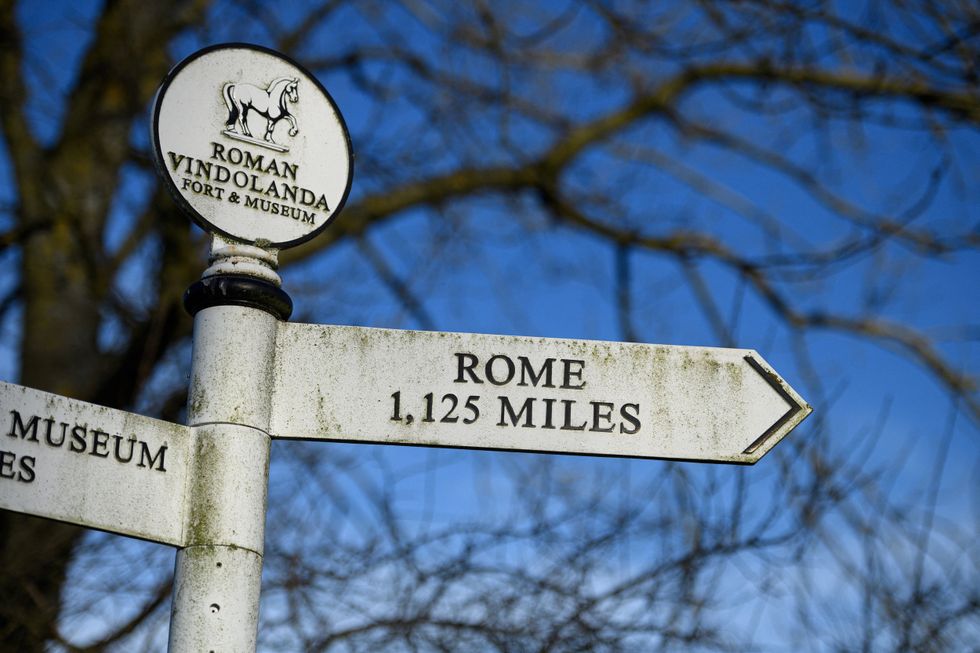
The findings come from analysis of drain samples taken at Vindolanda, a Roman fort situated close to Hadrian's Wall in Northumberland
|GETTY
Samples were divided between laboratories at Cambridge and Oxford for examination.
Researchers searched for helminth eggs, the remnants of parasitic worms transmitted through human faeces.
Around 28 per cent of samples contained eggs from whipworms and roundworms, both known to cause abdominal pain and diarrhoea.
One sample showing both parasites was tested - inside, researchers found Giardia duodenalis, a microorganism causing a diarrhoeal illness called giardiasis.
This marks the first evidence of Giardia duodenalis in Roman Britain.
ROMAN BRITAIN - READ MORE:
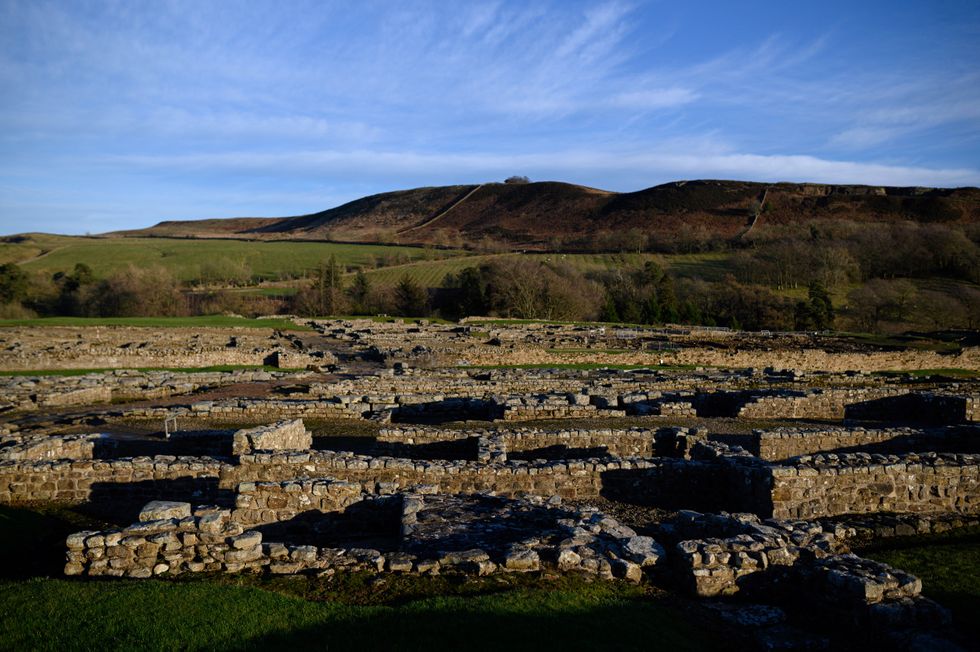
Previous excavations at Vindolanda (pictured) have yielded significant insights into Roman British life
|GETTY
Dr Marissa Ledger, an anthropologist and Cambridge PhD graduate, said: "The three types of parasites we found could have led to malnutrition and cause diarrhoea in some of the Roman soldiers.
"While the Romans were aware of intestinal worms, there was little their doctors could do to clear infection by these parasites or help those experiencing diarrhoea, meaning symptoms could persist and worsen."
Dr Ledger explained: "These chronic infections likely weakened soldiers, reducing fitness for duty."
Co-author Dr Piers Mitchell at Cambridge said: "Some soldiers could have become severely ill from dehydration during summer outbreaks of Giardia, which are often linked to contaminated water and can infect dozens of people at a time."
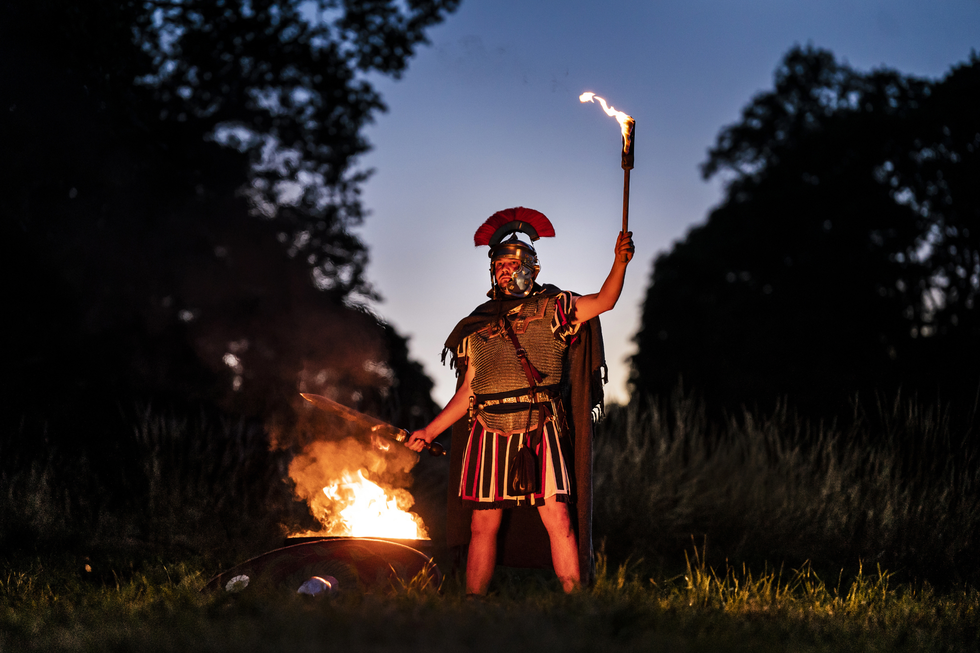
Roman soldiers at the edge of the Empire nearly 2,000 years ago were plagued by stomach problems, according to new research from Oxford and Cambridge universities
|PA
He noted: "Untreated giardiasis can drag on for weeks, causing dramatic fatigue and weight loss."
Hadrian's Wall was constructed by the Romans in the early 2nd century AD to protect their province of Britannia from northern tribes.
Vindolanda sits between Carlisle and Corbridge in Northumberland.
Previous excavations at the site have yielded significant insights into Roman British life, including wooden tablets inscribed with ink detailing military communications and personal correspondence.
The research team also found roundworm and whipworm in a ditch sample from an earlier fort built around AD 85 and abandoned by AD 91 or 92.
Artefacts recovered from these deposits included well-preserved leather shoes, bags, tent panels, and woven textiles.