






Archaeologists in Egypt have uncovered a remarkable treasure hoard inside an ancient tomb in a "history-changing" find.
The discovery at the site of Tanis has yielded 225 intricately crafted figurines within a royal burial chamber that contained no body.
The find represents the first undisturbed discovery at Tanis in almost eight decades, marking one of the most significant excavations at the location since the 1940s.
Royal symbols adorning the miniature servant figures have confirmed the empty tomb belonged to Pharaoh Shoshenq III, who ruled Egypt from 830 to 791 BC.
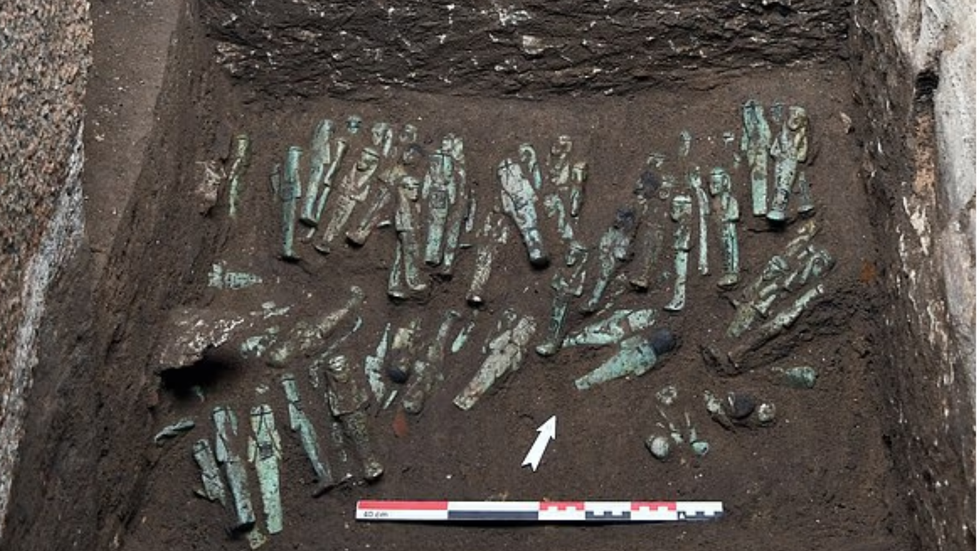
The discovery at the site of Tanis has yielded 225 intricately crafted figurines within a royal burial chamber
|GETTY
The revelation has sent shockwaves through the archaeological community, both for its impressive scale and the perplexing questions it raises about why this ancient ruler never came to rest in his own prepared burial site.
The figurines were discovered arranged in a distinctive star-like pattern alongside perfect horizontal rows, indicating a deliberate ritual design that had remained untouched for approximately three millennia.
Crafted to serve as attendants for the deceased in the afterlife, these miniature figures present an unusual characteristic that has captured scholarly attention.
More than half of the 225 figurines depict women, an exceptionally rare feature in Egyptian royal tombs that prompts fresh enquiries into burial customs during the politically fragmented Third Intermediate Period.
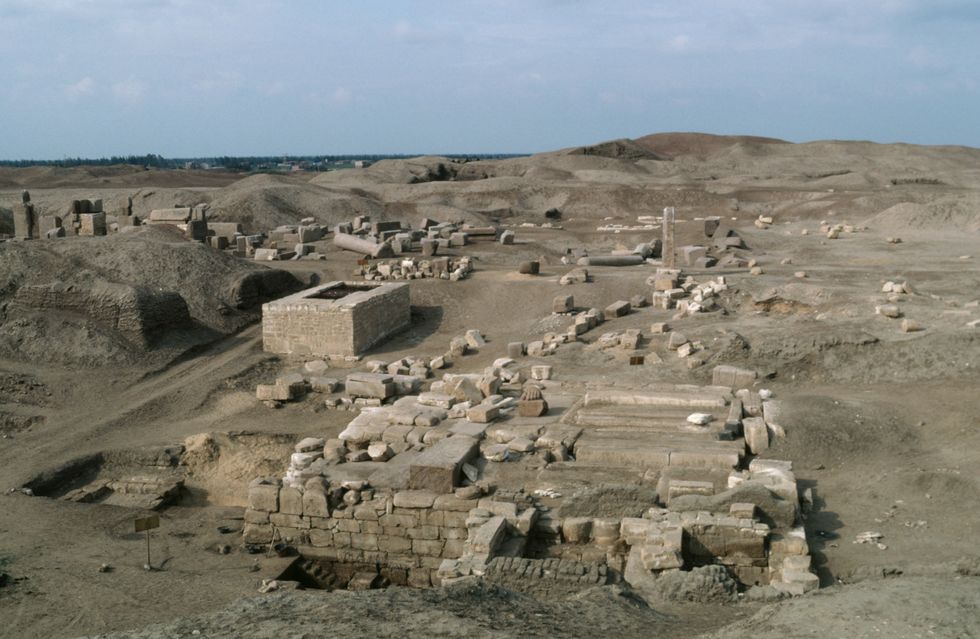
The find represents the first undisturbed discovery at Tanis in almost eight decades
|GETTY
The excavation team spent ten days meticulously extracting the delicate artefacts, often working through the night to ensure their preservation.
Following detailed study, the figurines will go on public display at an Egyptian museum, providing visitors with an extraordinary window into the funerary traditions of this enigmatic pharaoh.
French Egyptologist Frederic Payraudeau described the discovery as "astonishing" when speaking to reporters in Paris on Friday, noting that walls of a separate tomb at Tanis, along with its largest sarcophagus, bear Shoshenq III's name.
"Why isn't he buried in this tomb?" Mr Payraudeau asked.
"Obviously, for a pharaoh, building a tomb is a gamble because you can never be sure your successor will bury you there," he explained.
REMARKABLE DISCOVERIES - READ MORE:
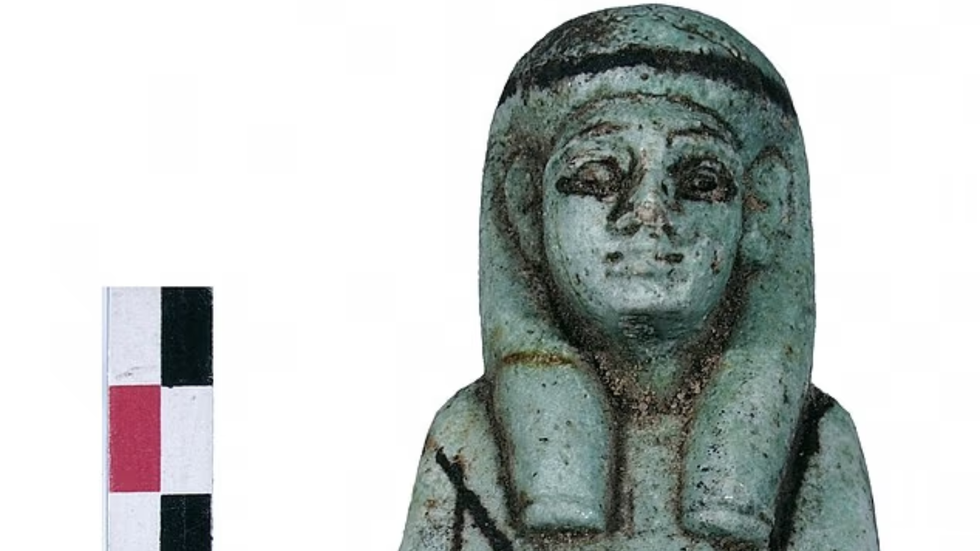
More than half of the 225 figurines depict women
|GETTY
"Clearly, we have new proof that these gambles are not always successful," Mr Payraudeau added with a smile.
The Egyptologist suggested the royal succession may not have proceeded as intended, leaving the pharaoh unburied in his chosen resting place.
An alternative explanation is that Shoshenq III's remains were relocated at some later point due to tomb robbers.
Shoshenq III's four-decade reign unfolded during Egypt's Third Intermediate Period, an era characterised by political division and persistent struggles for power.
According to Mr Payraudeau, this period witnessed "a very bloody civil war between upper and lower Egypt, with several pharaohs fighting for power."
The limestone tomb was initially unearthed in 1939 by French Egyptologist Pierre Montet, situated beside the Temple of Amun.
Though ancient looters had previously ransacked the burial site, the largest of its four chambers still contained the granite sarcophagus of Osorkon II, a ruler from Egypt's 22nd Dynasty.
Mr Payraudeau noted that comparable undisturbed finds have never occurred in the Valley of the Kings near Luxor, with the sole exception being Tutankhamun's tomb in 1922, as most such sites suffered looting throughout history.
Our Standards: The GB News Editorial Charter