










Archaeologists have uncovered the remains of a previously unknown early medieval settlement in Suffolk during preparatory excavations for an offshore wind farm project.
The site, located near Friston, was discovered by a team from MOLA-Wessex Archaeology working ahead of ScottishPower Renewables' East Anglia TWO and ONE North developments.
Evidence suggests the location once featured wooden longhouses that would have stood up to 19 metres tall and measured approximately six metres in width.
Although the timber structures have long since decomposed, post holes in the ground reveal their substantial scale.
Research indicates these buildings housed a small community during the Anglo-Saxon era, which spanned from 410 to 1066.
The excavations have taken place along the onshore cable corridor stretching from Thorpeness to the substation site at Friston.
These longhouses served dual purposes, functioning as social gathering spaces as well as residences for their inhabitants.
A central hearth would have provided both warmth and a place for cooking within each structure.
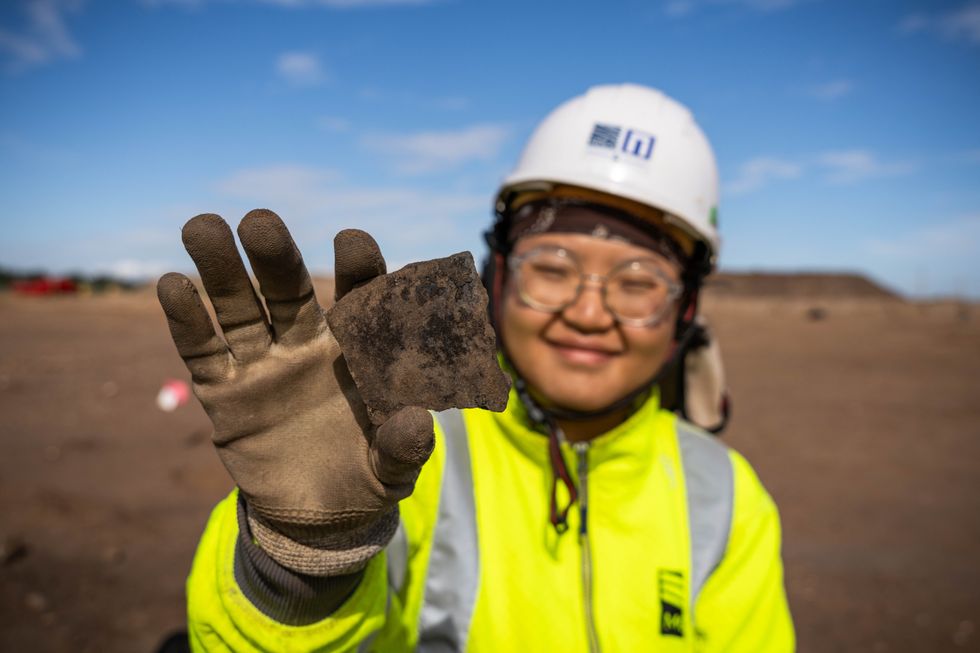
The settlement appears to have been abandoned before the 1300s
|PA
The settlement appears to have been abandoned before the 1300s, though the reasons for its demise remain under investigation.
One particularly fascinating detail has emerged from the excavation: a modern public footpath runs in alignment with the ancient buildings.
This suggests the pathway may have been in continuous use since Anglo-Saxon times, and potentially even earlier.
The team of 90 archaeologists is now working to establish precisely when the village was occupied and what led to its eventual abandonment.
LATEST DEVELOPMENTS
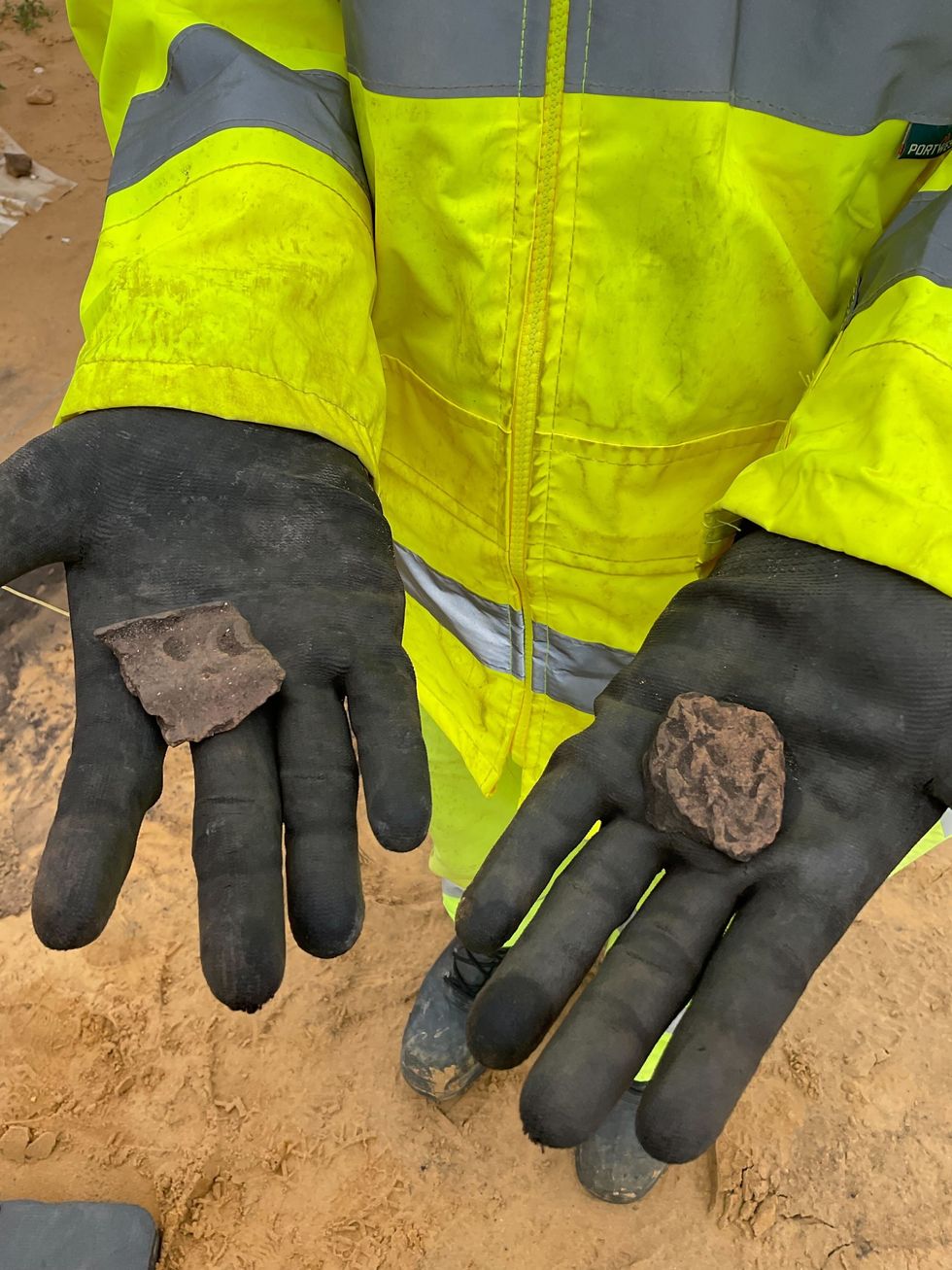
Some of the remains were 'remarkable well-preserved'
|PA
The excavation covered an area equivalent to 17 football pitches, yielding numerous additional discoveries beyond the medieval settlement.
Among the finds were Stone Age implements, including an axe head that would have been used for woodworking, land clearance, and possibly butchering animals.
A remarkably well-preserved flint arrowhead, estimated to be between 4,000 and 6,000 years old, was also recovered from the site.
Near Sizewell, the archaeological team identified medieval kilns that were likely employed for producing pottery, ceramics, or lime.
The discoveries demonstrate that while these locations were always rural in character, they were far from isolated communities.
Pottery linked to the Beaker folk, a Bronze Age people who spread across Europe bringing new cultural practices to Britain, indicates that local inhabitants were trading with continental groups more than three millennia ago.
Matthew Ginnever, senior project manager at MOLA-Wessex Archaeology, said: "The archaeological programme is already proving there is much to uncover about the history of East Anglia and its past populations."
He added: "These sites were always rural, but they were by no means isolated."
Mr Ginnever noted that the discovery of Beaker folk pottery demonstrates that residents maintained contact and traded with groups on the continent over 3,000 years ago.
"We look forward to adding more details like this to the rich tapestry of East Anglia's heritage as our work on the project continues," he said.
Michael Hotze of ScottishPower Renewables emphasised the company's commitment to safeguarding both environmental and heritage interests.
He described the collaboration with MOLA-Wessex Archaeology as exemplifying this shared approach to preservation.