







A new study has challenged long-held assumptions about the origins and history of democracy and democratic practices.
An international team of scholars has uncovered evidence that collective governance and power-sharing arrangements existed across multiple continents long before the Athenians ever coined the term demokratia in Ancient Greece.
Gary Feinman of the Field Museum in Chicago, who led the study, said: "People often assume that democratic practices started in Greece and Rome.
"But our research shows that many societies around the world developed ways to give ordinary people a voice."
TRENDING
Stories
Videos
Your Say
The findings, published in the journal Science Advances, draw on analysis of 40 ancient civilisations spanning Europe, Asia and the Americas over five millennia.
Professor Dan Lawrence of Durham University's Archaeology Department contributed to the research.
Rather than relying on written constitutions or formal records, which many ancient societies simply did not produce, the researchers turned to physical remains left behind by these civilisations.
"I think the use of space is very telling," Mr Feinman explained.
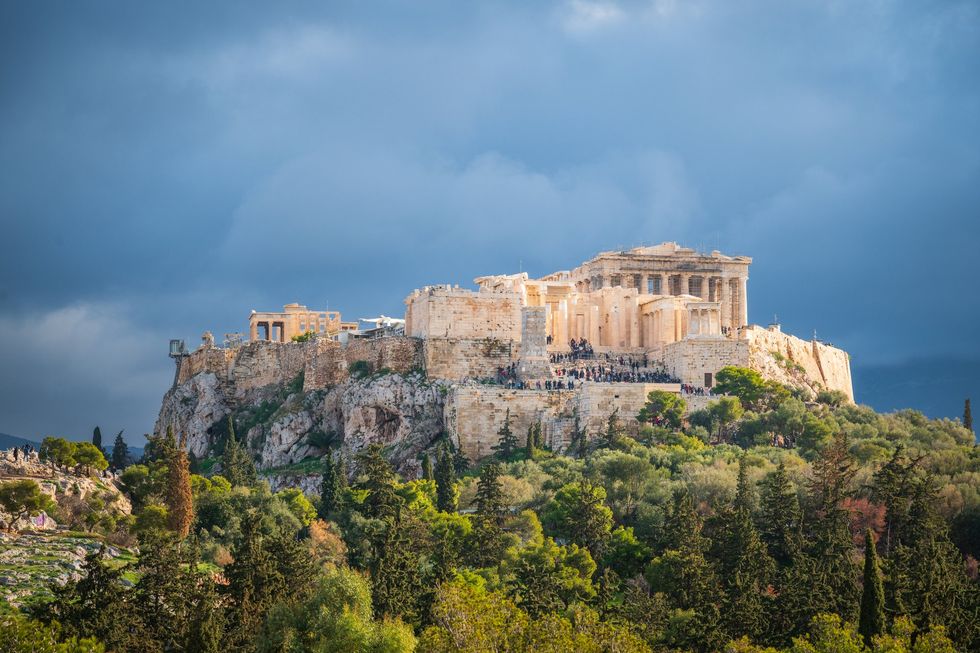
Greek society was always credited as being the birthplace of democracy
|GETTY
The team examined architectural layouts, artwork, inscriptions and indicators of wealth distribution to construct what they termed an "autocracy index," positioning each society on a scale from highly authoritarian to strongly collective.
Expansive plazas, accessible public buildings and open gathering areas suggested political systems where citizens could assemble freely and potentially shape decisions.
Conversely, restricted ceremonial zones, imposing monuments dedicated to individual rulers and urban designs that directed movement towards a leader's residence indicated more concentrated authority.
"Elections aren't exactly the greatest metric for what counts as a democracy," Mr Feinman noted, explaining why the team focused on participation and power distribution rather than voting systems.
LATEST DEVELOPMENTS
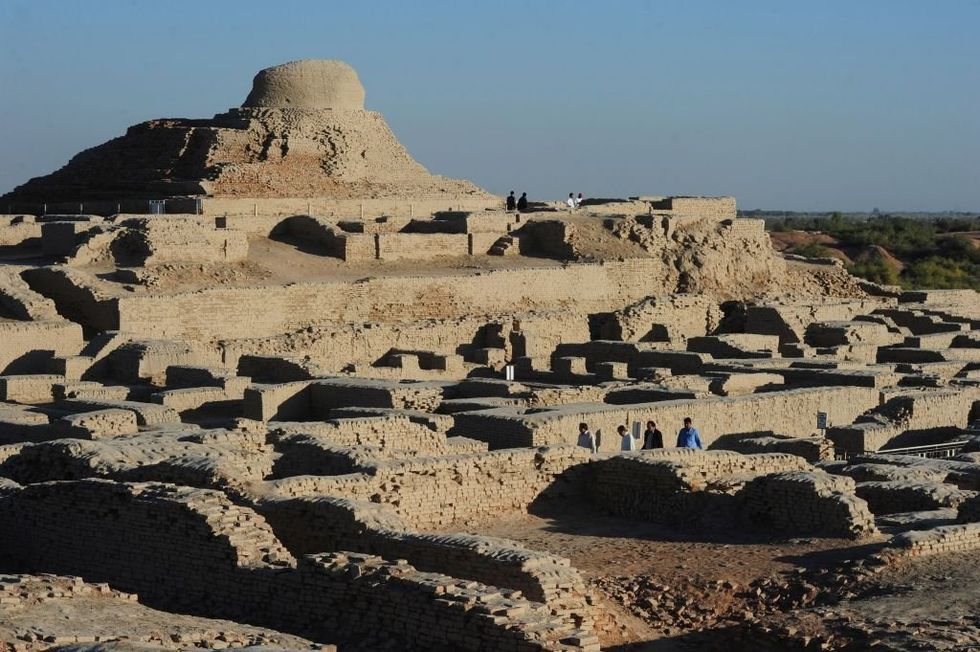
Mohenjo Daro, around 425 kms north of the Pakistani city of Karachi, has been signalled as a location of interest
|GETTY
The ancient city of Mohenjo-daro in the Indus Valley in modern day Pakistan offers a compelling case study.
Thriving between approximately 2600BC and 1900BC, more than 2,000 years before Athenian democracy, this sprawling settlement featured grid-planned streets, relatively uniform housing, and remarkably advanced drainage infrastructure.
Crucially, archaeologists have found no evidence of grand palaces, elaborate royal burial sites, or monumental statues celebrating kings.
Teotihuacan in central Mexico presents a similar picture.
At its height around the first century AD, the city accommodated roughly 100,000 inhabitants and featured enormous public plazas along its famous Avenue of the Dead.
Its artwork celebrated collective identity rather than glorifying individual monarchs.
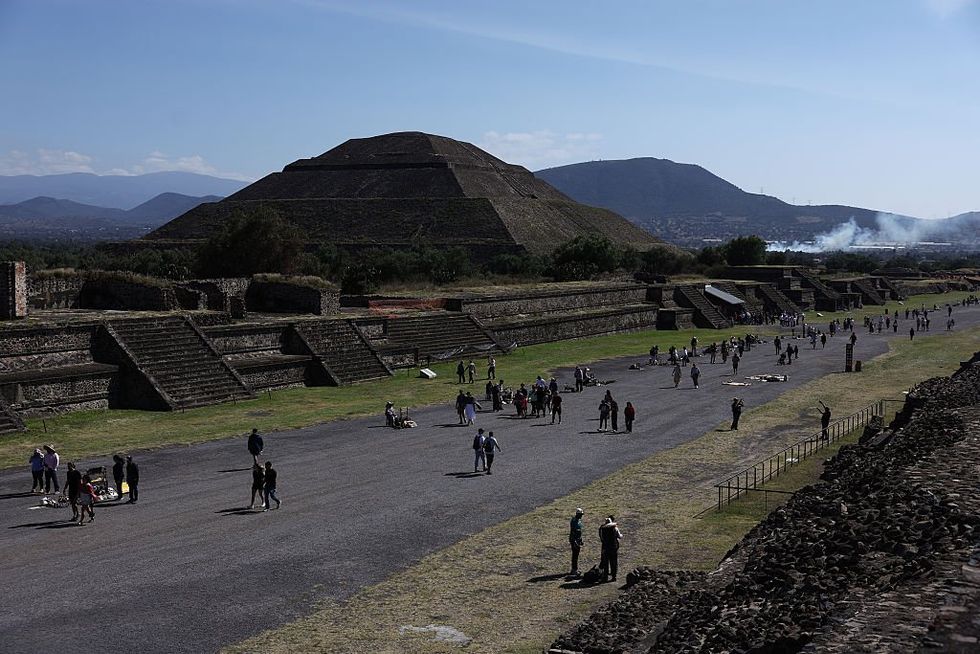
Teotihuacan in central Mexico presents a compelling case study
|GETTY
Mr Feinman said: "In our analysis, we saw societies in other parts of the world that were equally democratic to Athens and Rome."
By contrast, Anyang, capital of China's late Shang dynasty over three millennia ago, displayed unmistakable signs of autocratic rule through lavish royal tombs and restricted ceremonial spaces.
The research overturns another assumption: that growing populations inevitably lead to more authoritarian governance.
The team discovered no meaningful correlation between a society's size and how power was distributed.
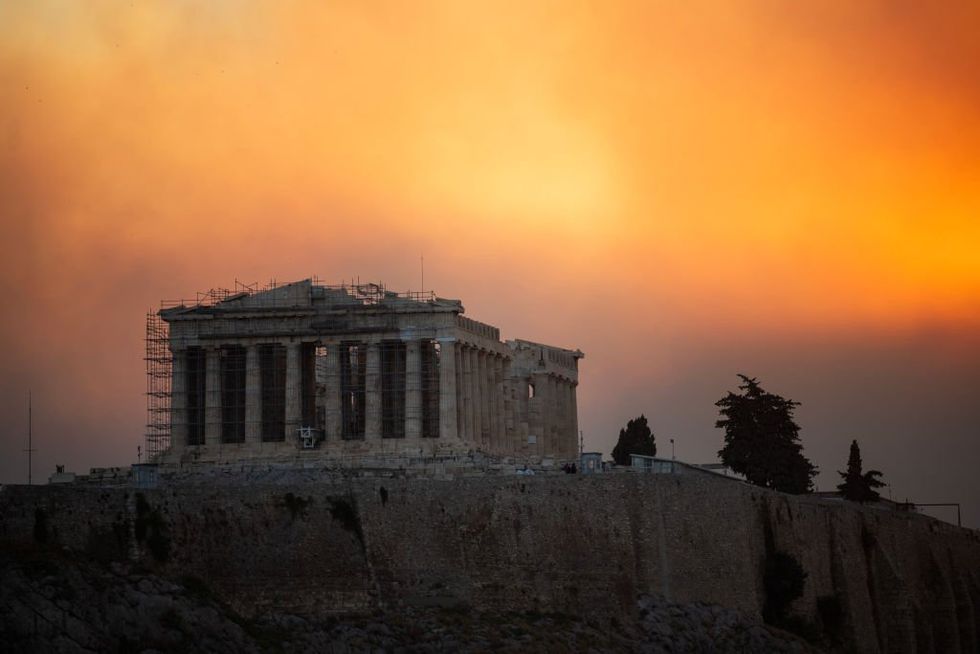
Athens is the city state where democracy is thought to have originated from
|GETTY
What mattered far more was how rulers funded their authority.
"The strongest factor shaping how much power rulers held was how they financed their authority," Mr Feinman said.
Those who controlled external wealth sources—mines, trade networks, or slave labour—tended to accumulate power.
Leaders reliant on agricultural taxes and community labour were more inclined to share it.
"These findings show that both democracy and autocracy were widespread," observed co-author David Stasavage.
The researchers argue their work carries urgent contemporary significance as democratic institutions face mounting pressure globally.
Mr Feinman said: "When you do archaeology, you're looking for patterns that contain potential lessons for the world today.
"Our findings in this study give us a perspective and guidance that we didn't have before, and they're extremely relevant to our lives."