




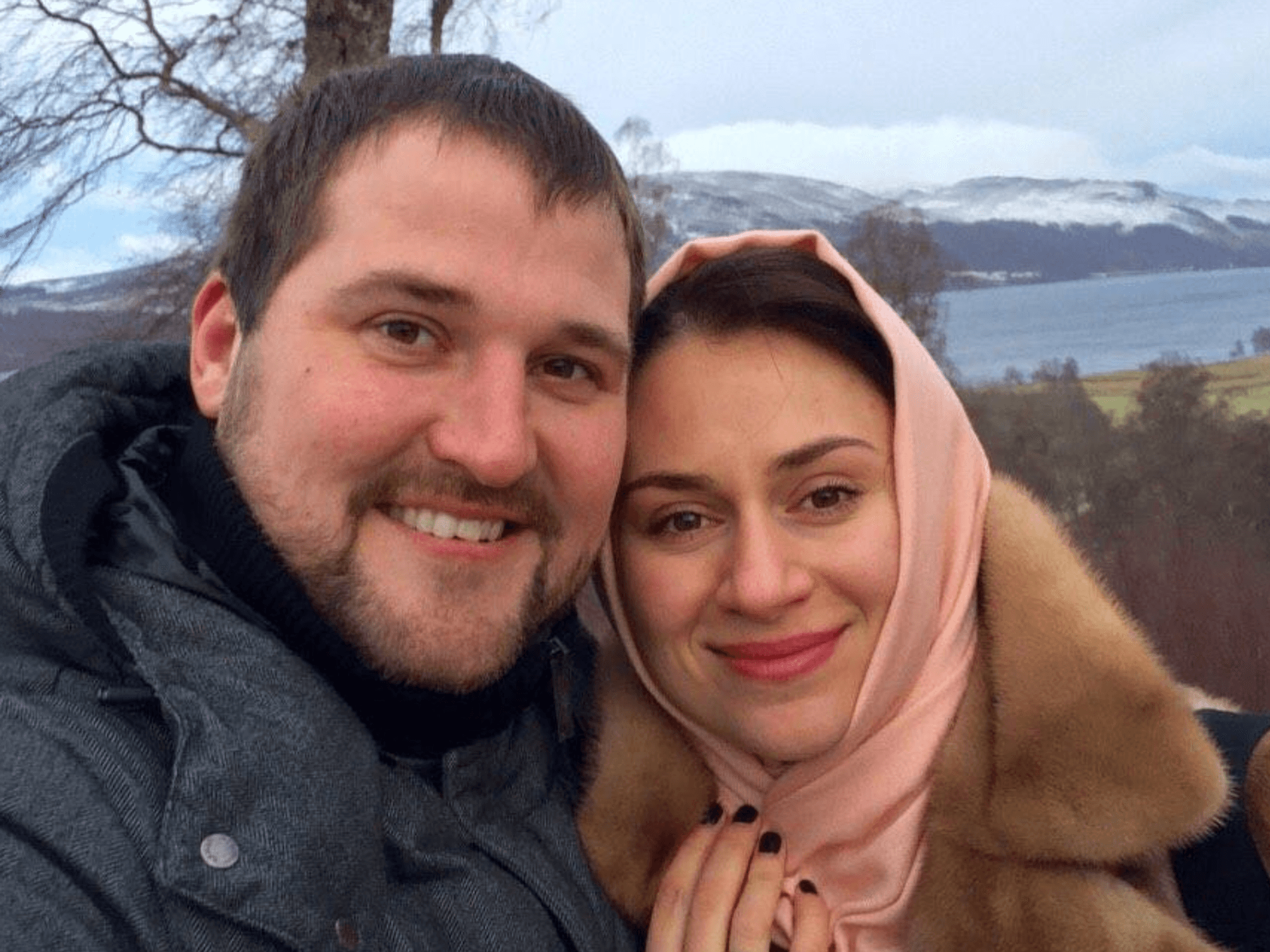




An inquest has opened into the death of Trooper Jack Burnell-Williams, an 18-year-old soldier who was found dead at Hyde Park Barracks in London on September 28, 2022.
The young serviceman, who hailed from Bridgend in Wales, had walked alongside Queen Elizabeth II's coffin during her state funeral just nine days earlier.
As a member of the Blues and Royals within the elite Household Cavalry, he appeared in ceremonial uniform escorting the monarch on her final journey, an event witnessed by 29 million viewers across the UK.
Inner West London Coroners Court heard testimony on Monday morning that the 18-year-old soldier had "absolutely hated" his London posting and struggled with the demands of his role.
 Trooper Jack Burnell-Williams was pronounced dead on September 28, 2022 |
 FACEBOOK: LAURA WILLIAMS
The hearing, presided over by Assistant Coroner Bernard Richmond KC, is expected to continue throughout the week, and no conclusions have yet been reached.
His girlfriend, Molly Holmes, provided evidence to the court about the particular difficulties he faced with ceremonial equipment standards.
She explained that maintaining his kit to the required level had been among the most challenging aspects of his duties.
Ms Holmes told the hearing: "He got stressed out about that because it had to be pristine. It always had to be immaculate. He spent a lot of time on his kit, and it was never good enough."
 Queen Elizabeth's funeral took place in September 2022 | PA
Ms Holmes, who had been in a relationship with the trooper for approximately two years, said he regularly received criticism from the Corporal of the Horses regarding his equipment.
When asked whether he faced punishment, she indicated it typically involved verbal reprimands and being required to redo the work.
The court heard that the young soldier worked shifts stretching from 5am until 8pm or 9pm at Horse Guards Parade.
Ms Holmes told the inquest she visited him and was taken aback by his punishing schedule, which he attributed to his junior status.
"He was always so tired that we didn't have much time to talk or do anything in the evenings. He'd just go straight to bed," she said.
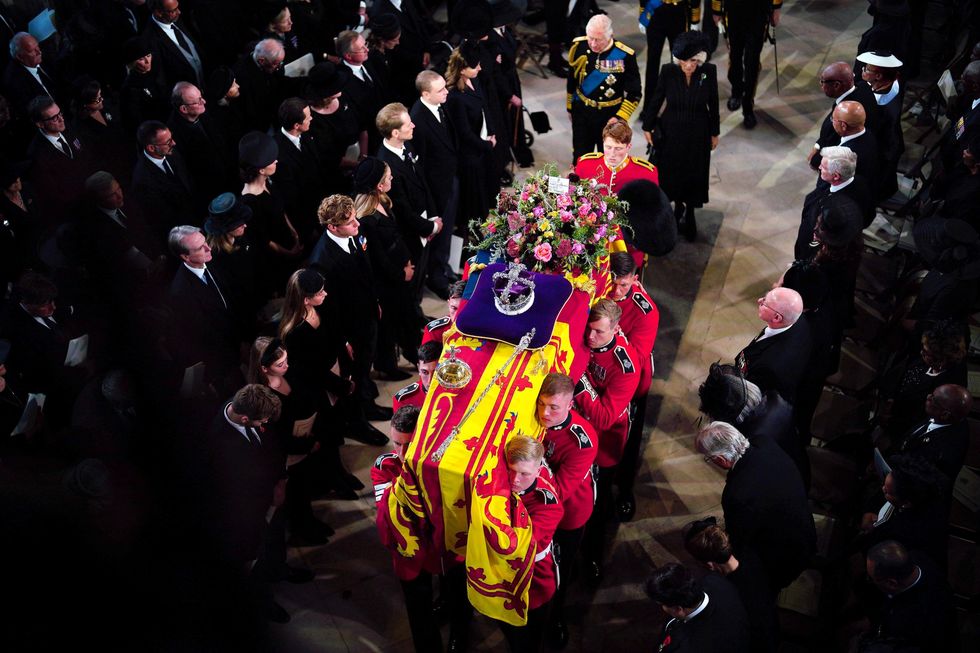
King Charles III and Queen Camilla pictured following the coffin of Queen Elizabeth II on September 19, 2022
|GETTY
She described the person she knew during his initial training as a "completely different person" compared to who he became at Knightsbridge towards the end of his life.
From September 21 onwards, he appeared "very stressed and very tired, a lot more than usual," repeatedly telling her he needed respite.
The trooper had applied for a transfer and anticipated receiving one, but days before his death, an unexpected extension to his ceremonial duties at Horse Guards Parade prompted him to tell others he might go AWOL.
A fellow soldier, Col Maxwell, who met Trooper Burnell-Williams during training at Windsor and later resided in the same corridor at the London barracks, also gave evidence about the changes he witnessed.
He told the court that his colleague had become "fairly apathetic" and no longer showed the same enthusiasm for his work.
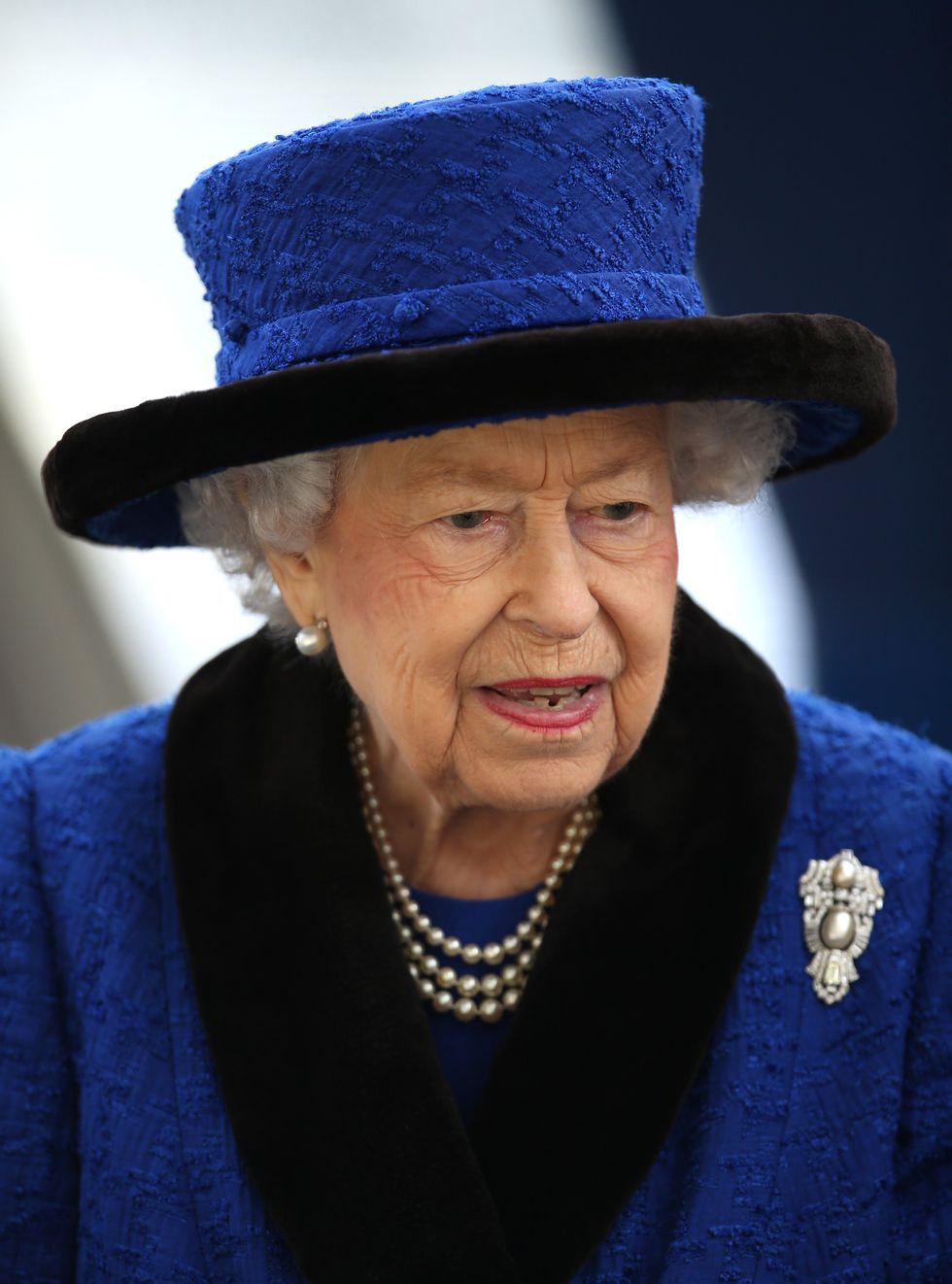
Queen Elizabeth II died peacefully at Balmoral Castle in Scotland on September 8 2022
| PA"In Windsor, he was keen to impress; in Knightsbridge, he was just trying to get by. I think the pressures of the job were just starting to get to him," Mr Maxwell said.
He noted that requests for transfers were "fairly common" among recruits at that stage due to the demanding work-life balance.
Mr Maxwell also described how approaching welfare officers carried a stigma, as colleagues would view you "as a Jack" — military slang for someone selfish — because it created additional work for others. He said this was his perception of the culture among junior soldiers.
All evidence was given as part of the inquest proceedings, and no conclusions have yet been reached.
Anyone who is in emotional distress, struggling to cope or at risk of suicide can call the Samaritans anonymously for free from a UK phone on 116 123 or go to samaritans.org.