





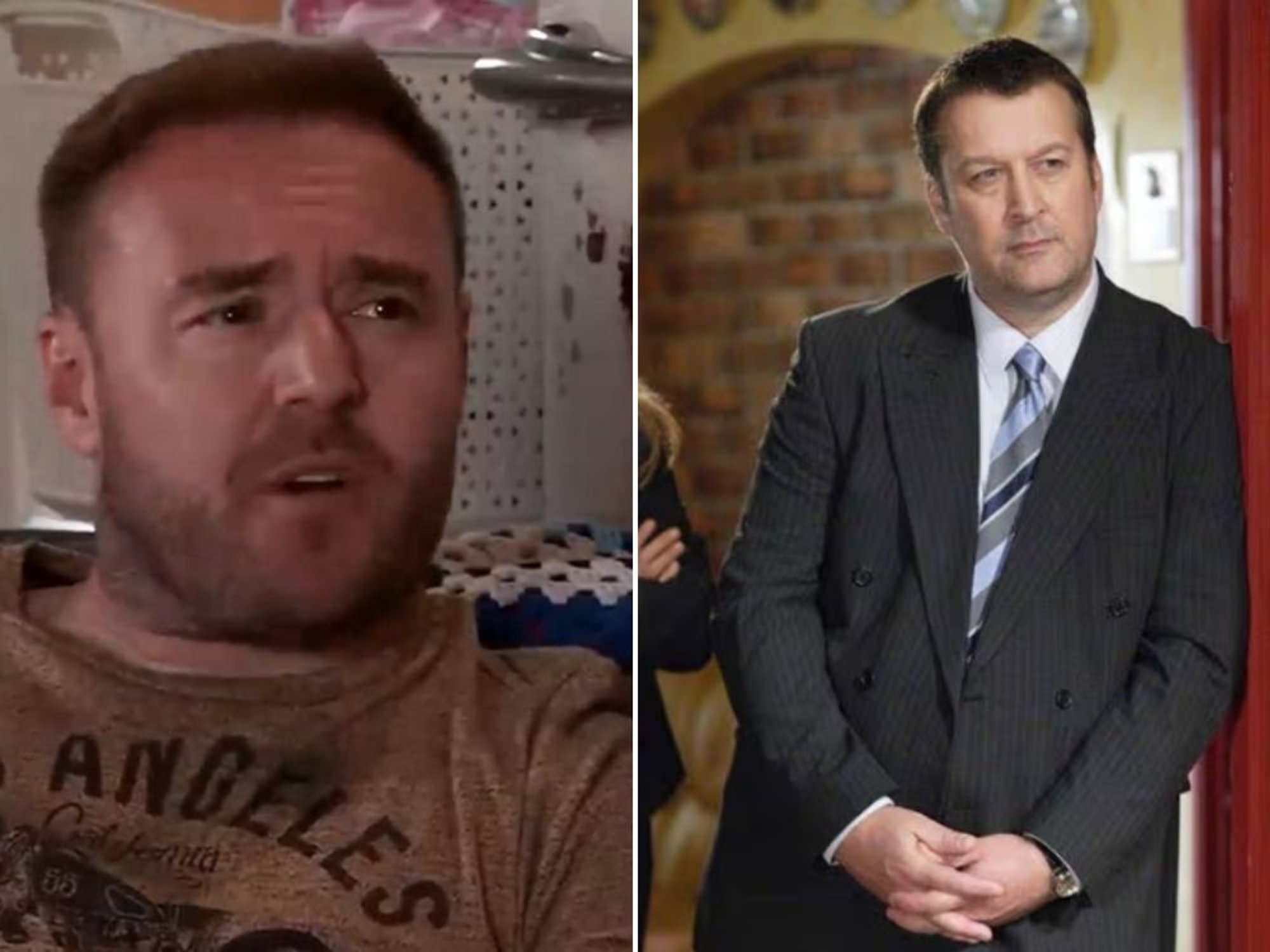
A Saudi dissident living in Britain has urged the Prince of Wales to deliver a firm message to Riyadh's leadership that crimes committed on UK soil "will not be tolerated" when he travels there next week.
Ghanem al-Masarir, a 45-year-old satirist, has compared the Saudi leadership to a "mafia" and warned that Prince William's visit between February 9 and 11 risked legitimising the kingdom's oppressive tactics.
Al-Masarir was this week awarded £3million by the High Court after judges concluded that Saudi Arabia most likely ordered both the hacking of his mobile phones and a violent assault against him in London.
Before William’s official visit to Saudi Arabia next week, al-Masarir said he hopes the future king will speak firmly to its leadership.
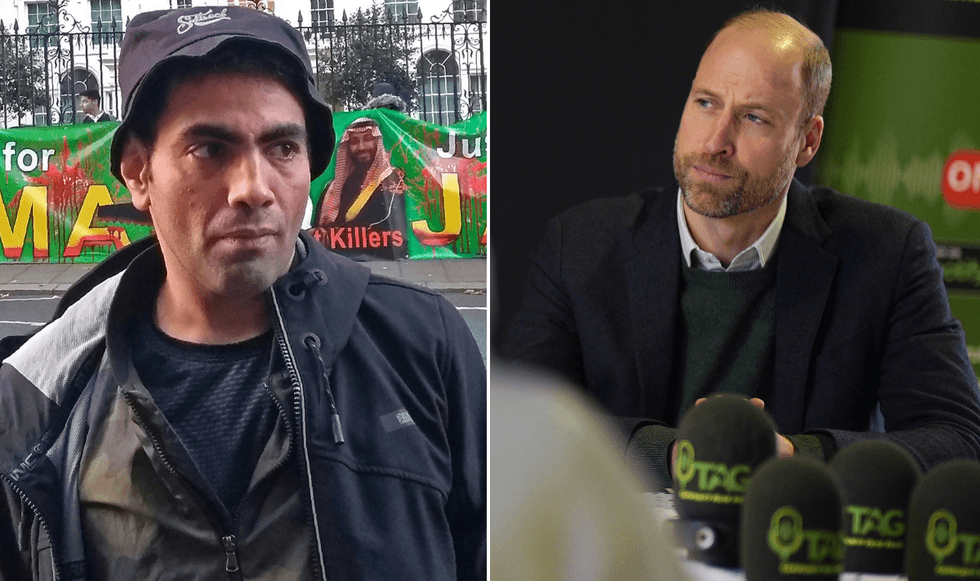
Prince William urged by Saudi dissident in Britain to deliver warning during visit
|GETTY
He told the Times: "You can't be a democratic state with respect for the rule of law and deal with someone who has no regard for it.
“The trip gives the Saudis legitimacy for what they are doing. And I think that’s wrong.”
The dissident acknowledged the significance of maintaining diplomatic ties but insisted William should make clear that "any heinous crime committed in the United Kingdom will not be tolerated".
GB News has contacted Kensington Palace for comment.
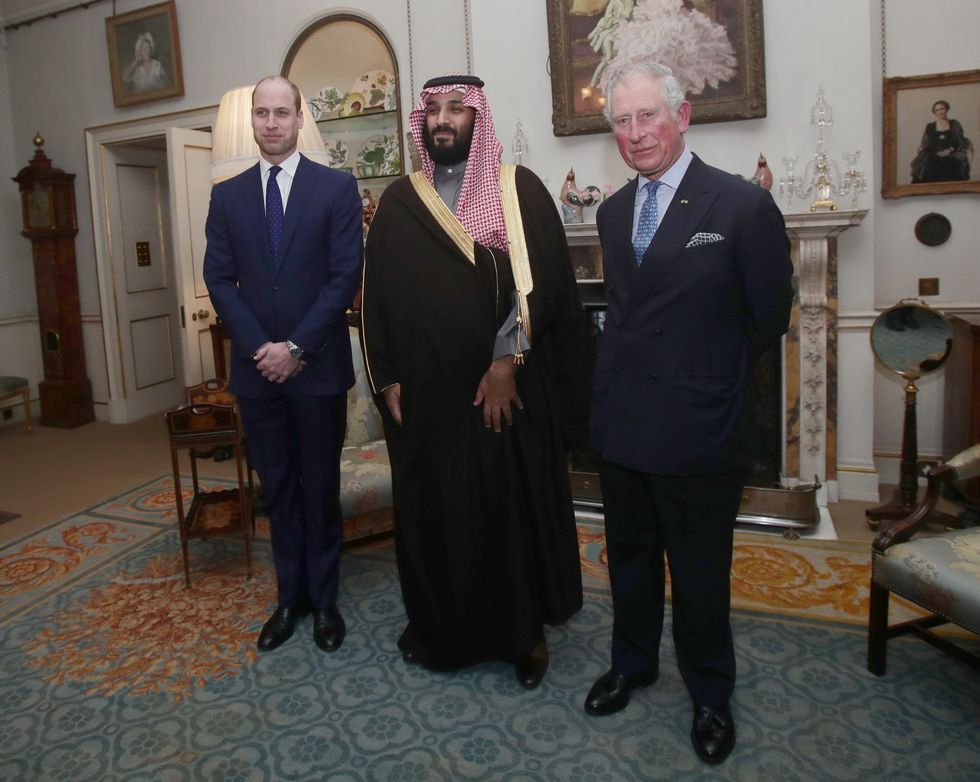
Crown Prince Mohammed bin Salman pictured with William and King Charles in 2018
|GETTY
Al-Masarir was born in Saudi Arabia in 1980 and relocated to England in 2003 to study in Portsmouth, where he first encountered opposition figures critical of the kingdom.
He began publishing articles and videos online in 2008, using comedy to highlight alleged corruption within the Saudi establishment.
His prominence surged dramatically in 2011 when footage criticising King Abdullah attracted 800,000 views within 24 hours.
By 2015, following the creation of his Ghanem Tube and Ghanem Show channels, he had established himself as one of the monarchy's most vocal critics, with his content reaching millions across the Middle East.
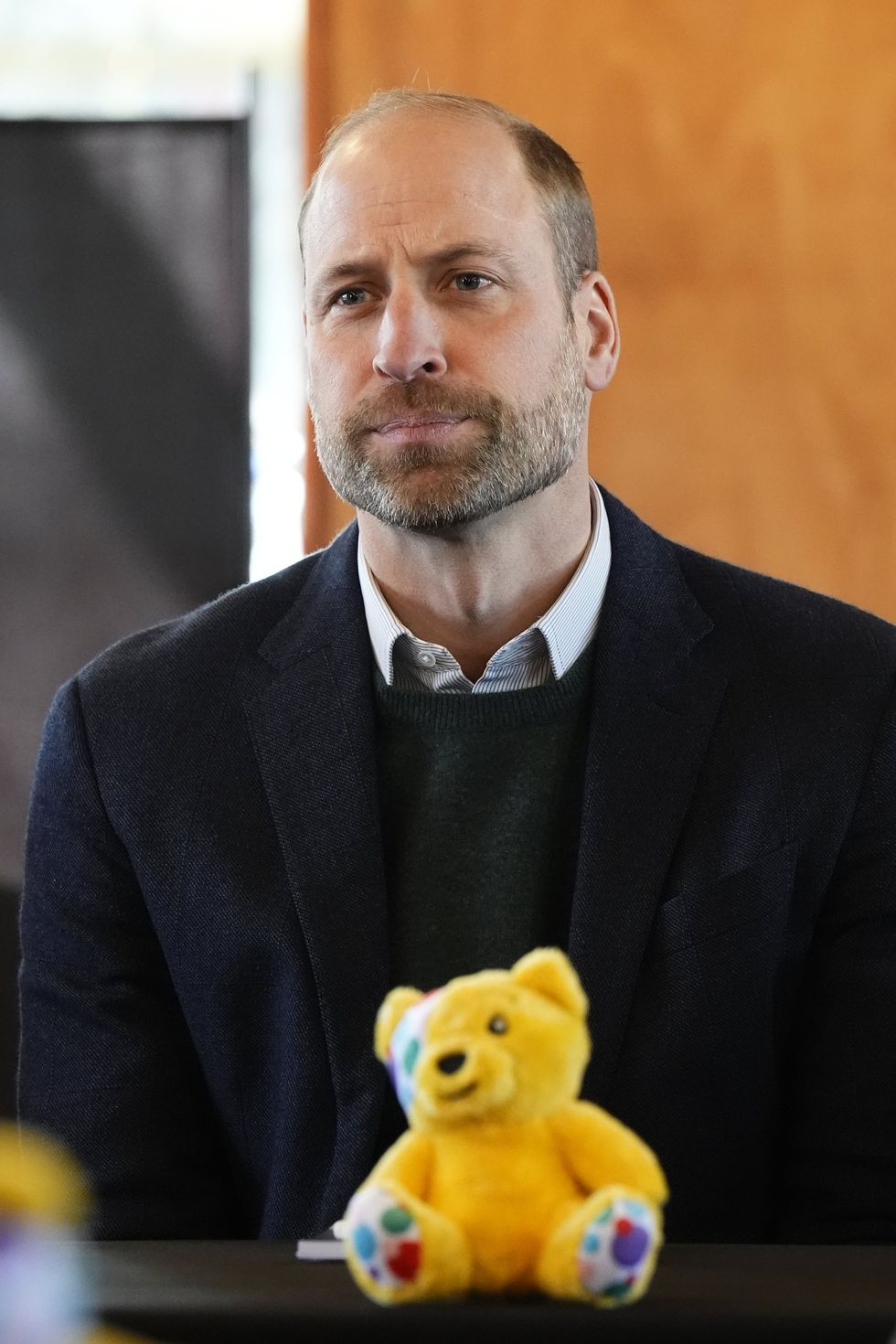
Prince William will visit Saudi Arabia next week
| PAThis visibility brought severe consequences. Saudi state broadcasters lodged complaints that resulted in his YouTube channels being removed, while his social media accounts faced coordinated spam attacks, deletion, and a barrage of death threats.
The situation escalated dramatically in August 2018 when al-Masarir was attacked outside Harrods after leaving a café in central London.
Two men, one apparently wearing an earpiece, pursued him before punching him in the face and branding him a "slave of Qatar" until bystanders intervened.
The assault, which al-Masarir believes was carried out by Saudi operatives, occurred just weeks before the murder of journalist Jamal Khashoggi, another prominent critic of the kingdom.
Unbeknownst to him at the time, his two iPhones had been compromised two months earlier using Pegasus spyware, technology capable of transforming devices into surveillance tools that monitor location, calls and ambient sound.
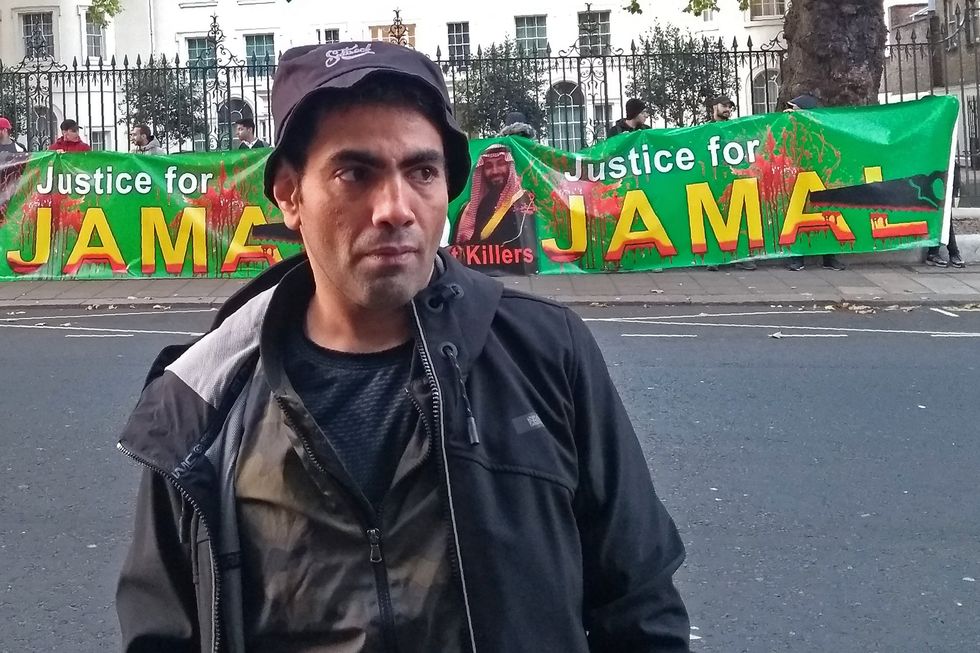
Al-Masarir was born in Saudi Arabia in 1980 and relocated to England in 2003
|GETTY
The combined effect proved devastating. Al-Masarir descended into severe depression and became too fearful to venture outside, effectively ending his career. "They basically ruined my life," he said.
Convinced that Saudi Arabia was responsible, al-Masarir initiated legal proceedings at the High Court in 2019. The kingdom's lawyers initially sought state immunity, but after the Court of Appeal rejected their application to halt the case, Saudi Arabia refused to participate further in proceedings.
Mr Justice Saini ruled this week that al-Masarir was an "obvious target" and that Saudi leadership possessed "clear interest in and motivation to shut down the claimant's public criticism".
Crown Prince Mohammed bin Salman had taken personal interest in the case, directly lobbying then foreign secretary David Cameron to intervene.
Should Saudi Arabia fail to pay the court-ordered compensation, he intends to pursue additional legal action, though he accepts that "no amount will undo what they have done to me".