





Prince William "has changes in mind" for the throne, but he remains less "radical" than his father, a royal commentator has claimed.
The heir to the throne is often seen as forward-thinking and keen to modernise the family, something originally championed by his grandmother, Queen Elizabeth II.
And royal author Robert Hardman believes this is the case, but says it may be in a more subtle manner.
"He talks about change, but I think the sort of change he has in mind will be sort of internal. It might be sort of tonal," Mr Hardman told Marie Claire.
TRENDING
Stories
Videos
Your Say
Rather than pursuing sweeping reforms, William appears inclined towards modest adjustments—perhaps rendering proceedings "a little bit less ceremonial" with "a little less dressing up."
This measured approach stands in stark contrast to his father's position during his years as heir apparent.
"I don't think he's instinctively radical, whereas his father, I think, was," the author noted.
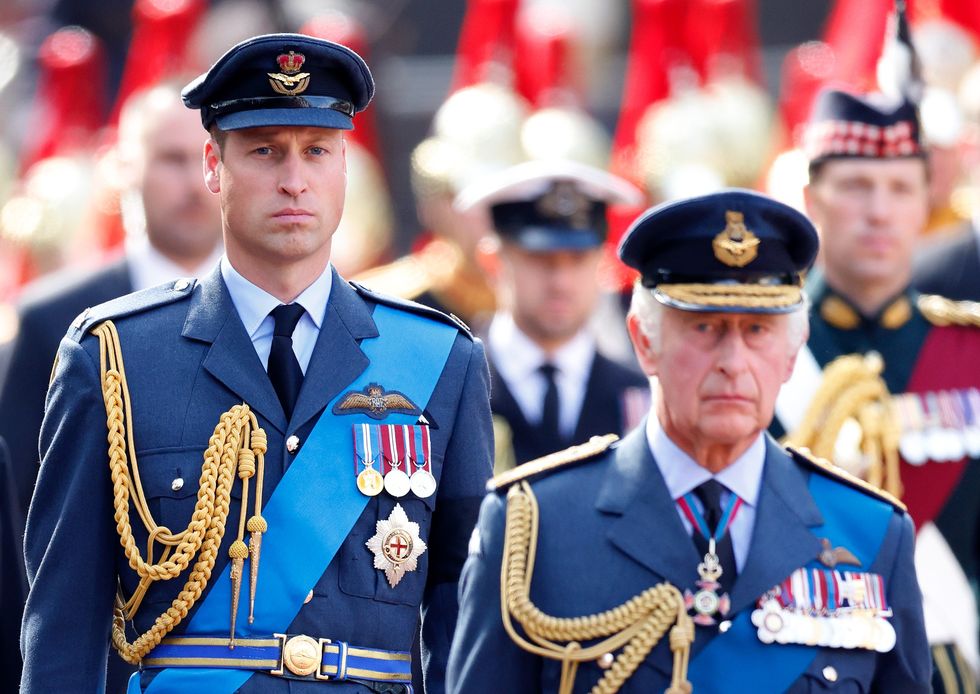
Prince William 'has changes in mind' for the throne, but he remains less 'radical' than his father, a royal commentator has claimed
| GETTYWhen King Charles occupied William's current position, he proved far more vocal in his criticisms of British society.
"You look at when Charles was William's age now, he was constantly making speeches complaining about the state of architecture, education, heritage, pollution...he was a very outspoken heir to the throne," the biographer said.
Mr Hardman drew parallels between the Prince of Wales and his great-grandfather, King George VI.
LATEST ROYAL NEWS
"William's rather like the [late] Queen's father, you know. He's sort of dutiful, thoughtful, keen to do a good job, but not desperate to change the world," the biographer explains.
Mr Hardman said his grandmother "had a huge influence" on William, instilling in him a philosophy that would come to define his understanding of meaningful change within the institution.
Queen Elizabeth II transformed the monarchy substantially during her reign, yet always through gradual progression rather than dramatic upheaval.
"She changed the institution a lot, but incrementally," Hardman explained, referencing a guiding principle the late monarch articulated during Christmas broadcasts, which was "a phrase I heard her use quite a few times about small steps."
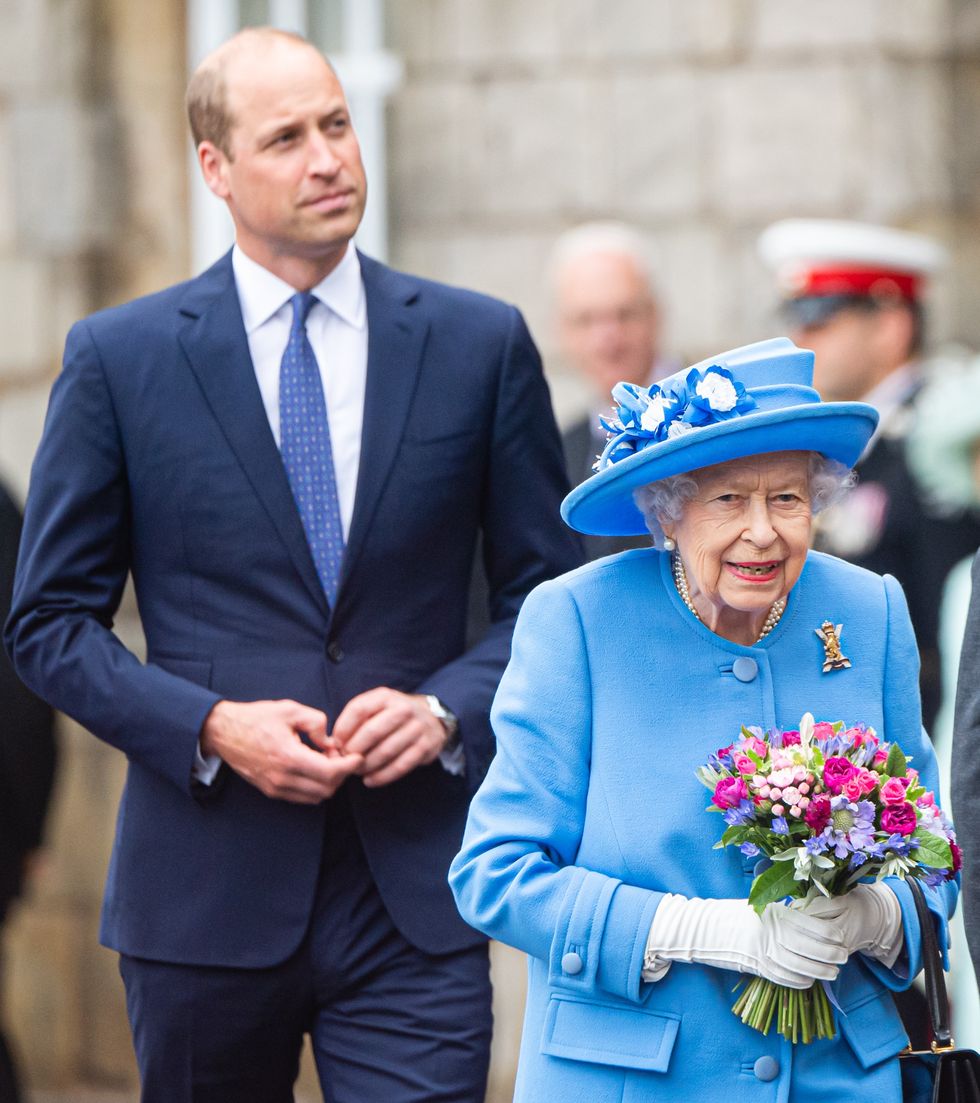
Mr Hardman said the late Queen 'had a huge influence' on William, instilling in him a philosophy that would come to define his understanding of meaningful change within the institution
| GETTYThe late Queen rejected the political appetite for "big messages and big slogans and big change," Mr Hardman explained.
Instead, like her grandson, she "liked the idea of the cumulative effect of lots of small, good things."
The prince's role as a devoted father to his three young children also influences his outlook on the Crown's future, according to the royal biographer.
The Prince of Wales is described as "very much a family man," having fathered three children with Catherine, Princess of Wales.
Our Standards: The GB News Editorial Charter