







Historic files released by the British government on Thursday confirm that no formal due diligence or security vetting took place before Andrew Mountbatten-Windsor was given his trade envoy position in 2001.
The publication came after the Liberal Democrats deployed a rarely-used parliamentary mechanism to compel disclosure of records relating to his appointment as a government trade representative.
Labour backed the motion last month, forcing ministers to agree to the release.
A total of 11 files connected to the former Duke of York were made public by Downing Street, offering fresh insight into his dealings with Tony Blair's administration at the time.
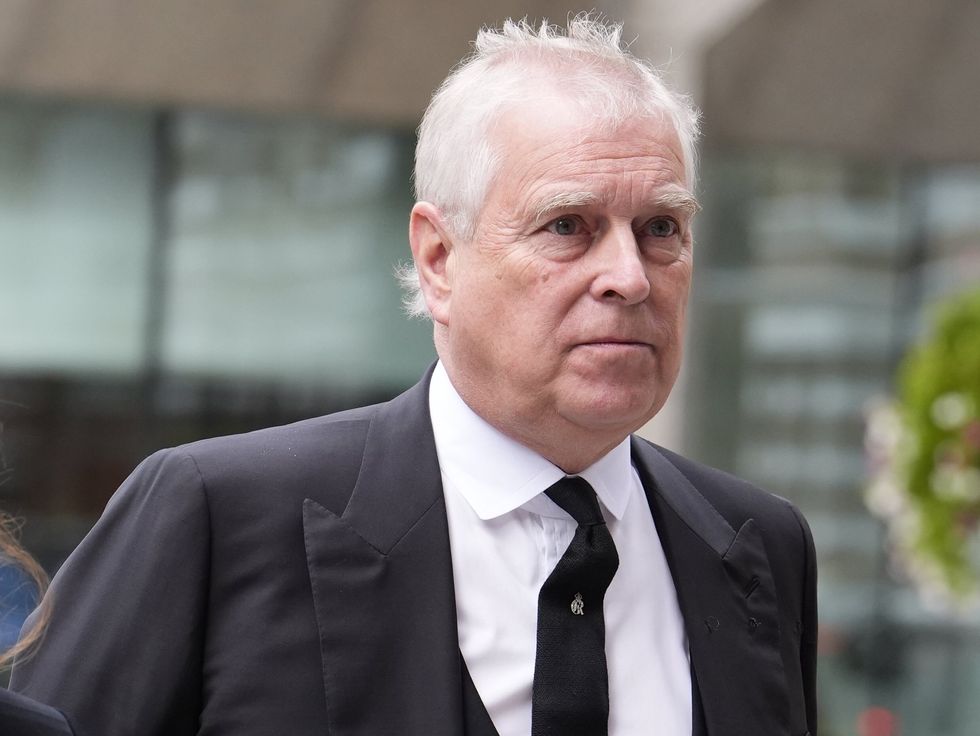
Historic files released by the British government on Thursday confirm that no formal due diligence or security vetting took place before Andrew Mountbatten-Windsor was given his trade envoy position in 2001.
|GETTY
The newly-released documents reveal that the late Queen Elizabeth was "very keen" for her second son to take on the trade envoy role.
Sir David Wright, who served as chief executive of British Trade International, disclosed Her Majesty's enthusiasm in correspondence with then-foreign secretary Robin Cook.
The memo, dated February 2000, indicated the Queen wished for Andrew Mountbatten-Windsor to assume "a prominent role in the promotion of national interests".
The files also show that Andrew later expressed dissatisfaction with certain aspects of his duties, particularly complaining about visits to less developed countries during his decade-long tenure.
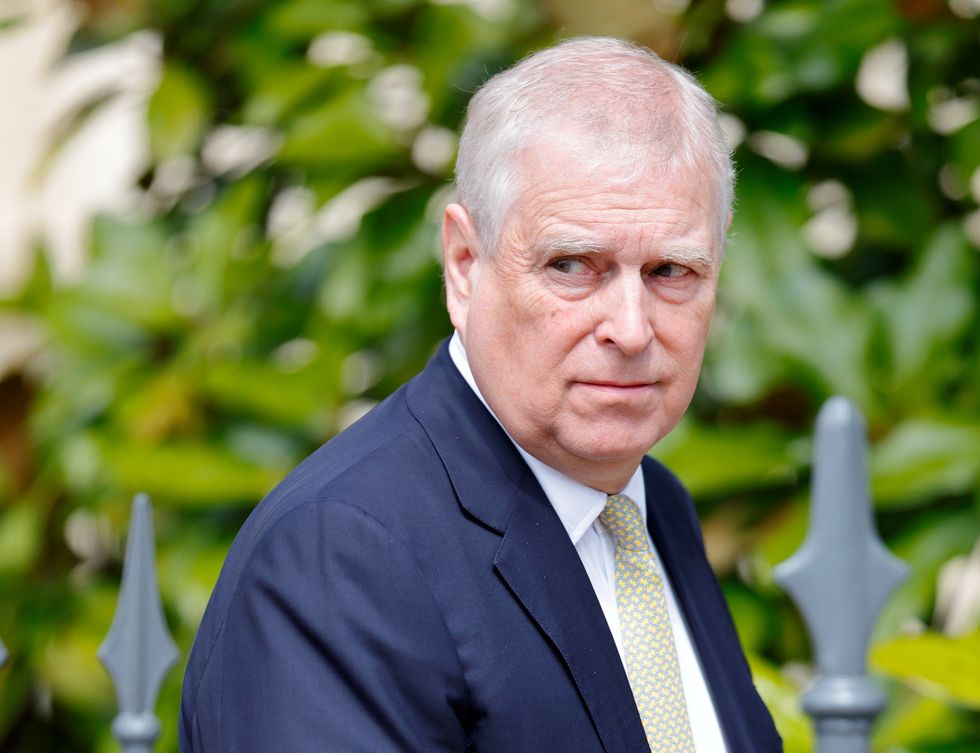
Government officials are currently examining records as part of a broader inquiry into the former Duke of York's time representing the UK abroad.
|GETTY
Between 2001 and 2011, Andrew Mountbatten-Windsor held the position of Special Representative for International Trade and Investment, an unpaid appointment that granted him extensive access to senior figures in business and government across the globe.
The role enabled the late Queen's second son to travel internationally, meeting high-ranking officials and corporate leaders as part of his duties promoting British commercial interests.
Royal Family members are typically shielded from direct criticism within the House of Commons, with parliamentary convention limiting such discussion to exceptional circumstances.
Government officials are currently examining records as part of a broader inquiry into his time representing the UK abroad.
Lib Dem chief whip Wendy Chamberlain said following the release of the documents: “It is shocking and deeply troubling that Andrew was appointed to the trade envoy role with no vetting. Nobody should be above such standards. This raises serious questions about why officials and ministers at the time thought that was acceptable.
“The lack of documentation provided is itself concerning, as is the time it has taken to get this far. We must get the full files from Government without delay, and an explanation about why there is such a small paper trail. And the Government must commit to mandatory vetting for all similar appointments in future.
“The victims and survivors of Jeffrey Epstein, and the justice they have been denied for years, are foremost in our minds as this continues.
“We must have a full public inquiry into Epstein, his links to the British establishment, and the abuse he and his associates perpetrated against women and girls here in the UK.”
Andrew Mountbatten-Windsor was taken into custody on 19 February, his 66th birthday, following allegations that he passed sensitive information to the late Jeffrey Epstein during his time as trade envoy.
He has consistently denied any wrongdoing.
Ministers have now confirmed that a dedicated Whitehall team has been established to examine archives held by the Business Department, Foreign Office and Cabinet Office.
The investigation aims to scrutinise his activities throughout his decade representing British commercial interests abroad, with officials continuing to search through historical records connected to his government role.