










Supporters of hereditary monarchy can still back removing Andrew Mountbatten-Windsor from the line of succession, according to a royal commentator, who has argued that the Crown’s authority rests on public consent rather than the untouchable permanence of every hereditary principle.
Under current constitutional arrangements, any changes to the rules of succession would be made through legislation, as was the case with the Succession to the Crown Act 2013, which modernised aspects of succession law following agreement across the Commonwealth realms.
On February 23, Australia's Prime Minister confirmed he had written to Sir Keir Starmer to tell him he would back any UK Government plan to remove Mr Mountbatten-Windsor from the line of succession to the throne.
Speaking exclusively to GB News, Richard Fitzwilliams was asked whether it is coherent to believe in a hereditary monarchy while supporting moves to exclude someone from the succession.
He replied: “It’s the same argument that if you abolished the hereditary peerage - that’s happened now at the House of Lords, only recently, complete elimination of the hereditary element.
“In theory, you could argue that that brings into practice, or raises question marks about a hereditary monarchy, but in fact, it doesn’t.”
His comparison touches on a long-running constitutional debate in Westminster about inherited status in public life.
Most hereditary peers lost their automatic right to sit and vote in the House of Lords under the House of Lords Act 1999, but a group of hereditary peers has continued to sit in the upper chamber under the post-1999 arrangements.
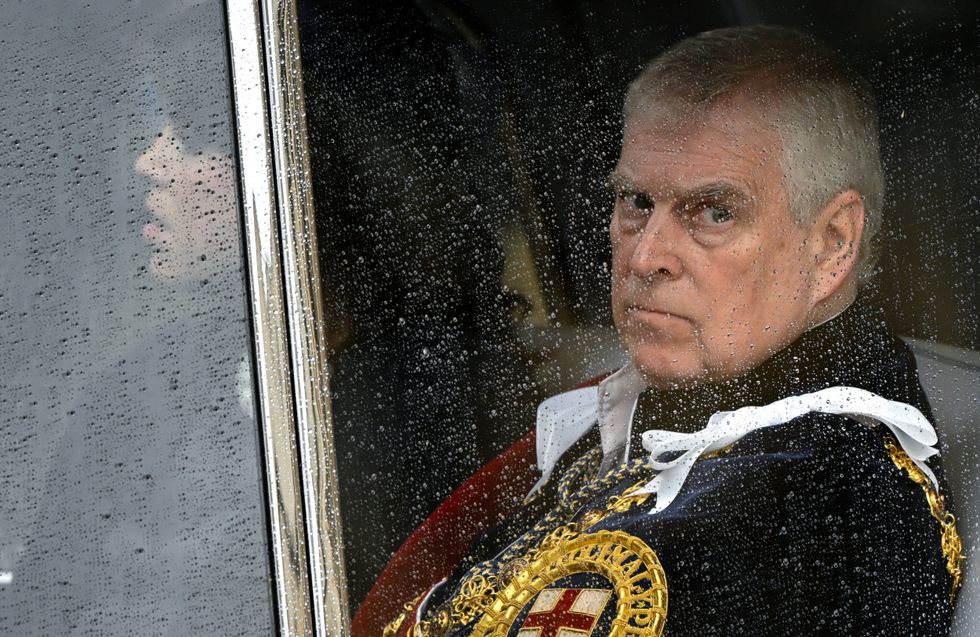
Andrew Mountbatten-Windsor removal from succession ‘does not undermine monarchy’
|GETTY
Reform has been back on the agenda in recent years. A Government bill to remove the remaining link between hereditary peerages and membership of the House of Lords has been progressing through Parliament, but has not reached Royal Assent.
Mr Fitzwilliams framed the succession question through the lens of consent and modern constitutional practice rather than an absolute hereditary entitlement.
He said: “The royals govern, as it were, by consent. This is another element where something that is considered superfluous to royal needs.”
The comments come as Westminster continues to debate how far constitutional levers should be used in response to controversy involving Mr Mountbatten-Windsor.
LATEST ROYAL DEVELOPMENTS
 The former Duke of York has not been seen since being driven home from Aylsham Police Station | REUTERS
The former duke was arrested by Thames Valley Police on his 66th birthday on suspicion of misconduct in public office.
The inquiry relates to allegations that, while serving as the UK’s special representative for international trade and investment, he shared confidential Government material with Jeffrey Epstein.
He was questioned under caution and later released pending further investigation as searches were carried out at Royal Lodge and his new home on the Sandringham estate.
In England and Wales, decisions on whether to bring charges are taken by prosecutors after reviewing evidence submitted by investigators.
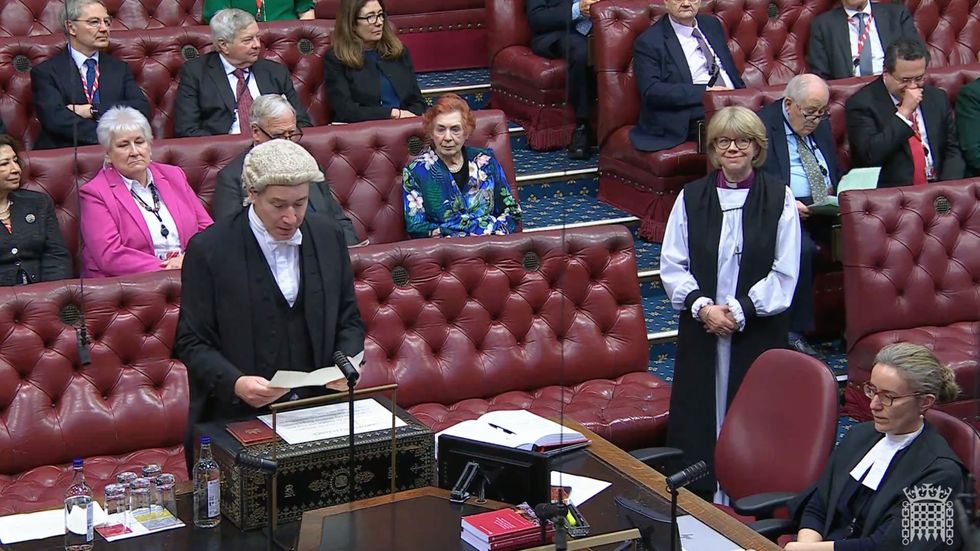
Archbishop of Canterbury Sarah Mullally being reintroduced to the House of Lords on February 5
|PA
Mr Fitzwilliams raised a note of caution about the risks of public debate colliding with legal processes, stressing he was careful about how he put his argument.
He said: “I’m putting it in a way that wouldn’t prejudice what may happen in court. Because his legal counsel would, or might, claim that he’d been prejudged.”
Mr Mountbatten-Windsor has strenuously denied all wrongdoing.