





Donald Trump has branded Nato as "COWARDS" as he slammed the US' "unwilling" allies for not joining the Iran war.
A fresh wave of insults came from across the pond this afternoon as Mr Trump took to Truth Social to share his thoughts on the allied (lack of) response to his military operation in Iran.
The US President, in true fashion, did not hold back in his social media post, branding Nato members as "cowards", calling the international alliance a "paper tiger".
He wrote: "Without the U.S.A., NATO IS A PAPER TIGER!
"They didn’t want to join the fight to stop a Nuclear Powered Iran.
"Now that fight is Militarily WON, with very little danger for them, they complain about the high oil prices they are forced to pay, but don’t want to help open the Strait of Hormuz, a simple military maneuver that is the single reason for the high oil prices.
"So easy for them to do, with so little risk. COWARDS, and we will REMEMBER!"
This comes after another defiant social media post authored by Mr Trump.
On Tuesday, he wrote on Truth Social: “The United States has been informed by most of our Nato ‘allies’ that they don’t want to get involved with our military operation against the terrorist regime of Iran.”
He added that he was “not surprised,” describing Nato as a “one-way street".
The US President continued: "We will protect them, but they will do nothing for us, in particular, in a time of need.
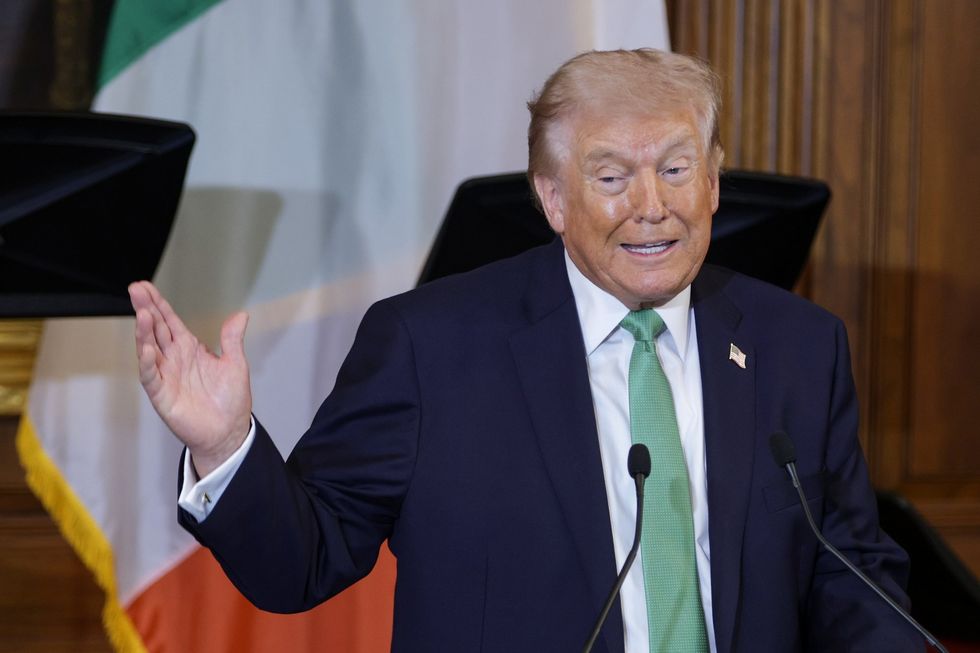
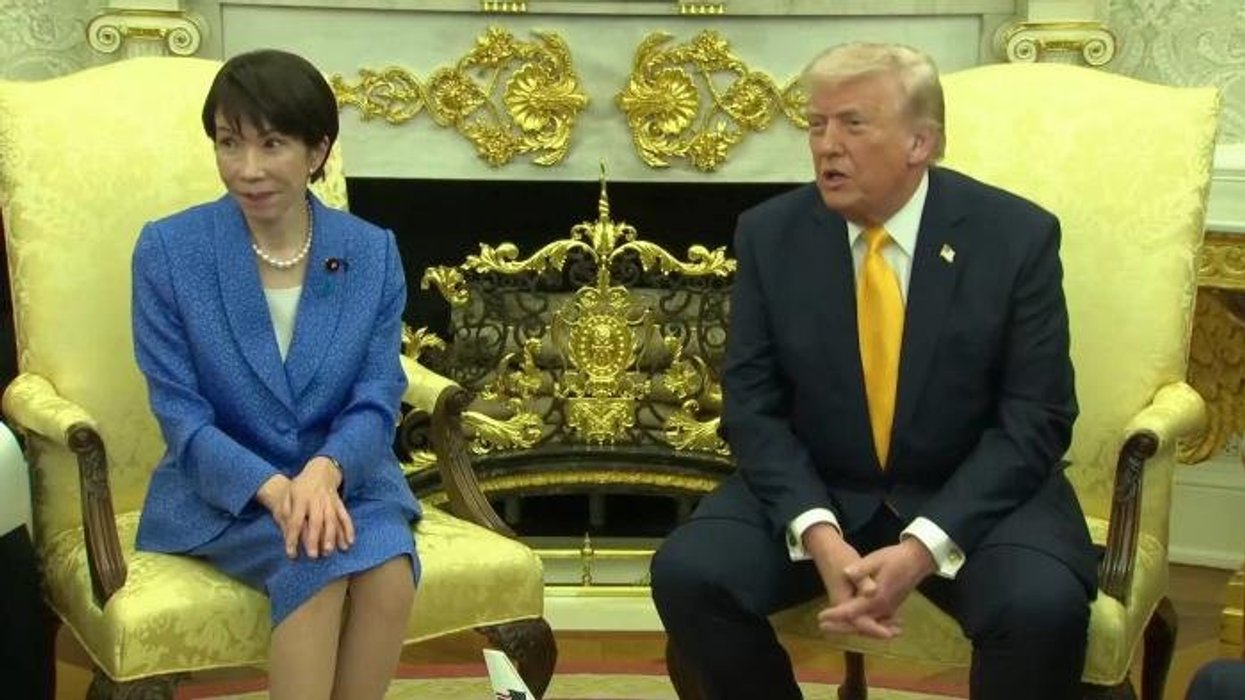
The US President called Nato members 'COWARDS' in his latest social media tirade
|GETTY
“Because of the fact that we have had such military success, we no longer ‘need’, or desire, the Nato countries’ assistance — WE NEVER DID!”
This defensive response from the US President comes after he called upon various allies - again on Truth Social - to send warships to the Strait of Hormuz, the strategic shipping lane that Iran had blocked.
On March 14, Mr Trump called out the UK, China, France, Japan and South Korea, writing that he hoped they "will send ships" to the Strait as they are "affected by this artificial constraint".
However, to the US President's dismay, those nations did not respond to his beckoning call, but rather were steadfast in not meeting his demands.
LATEST DEVELOPMENTS
 Where is the Strait of Hormuz? | GB NEWS
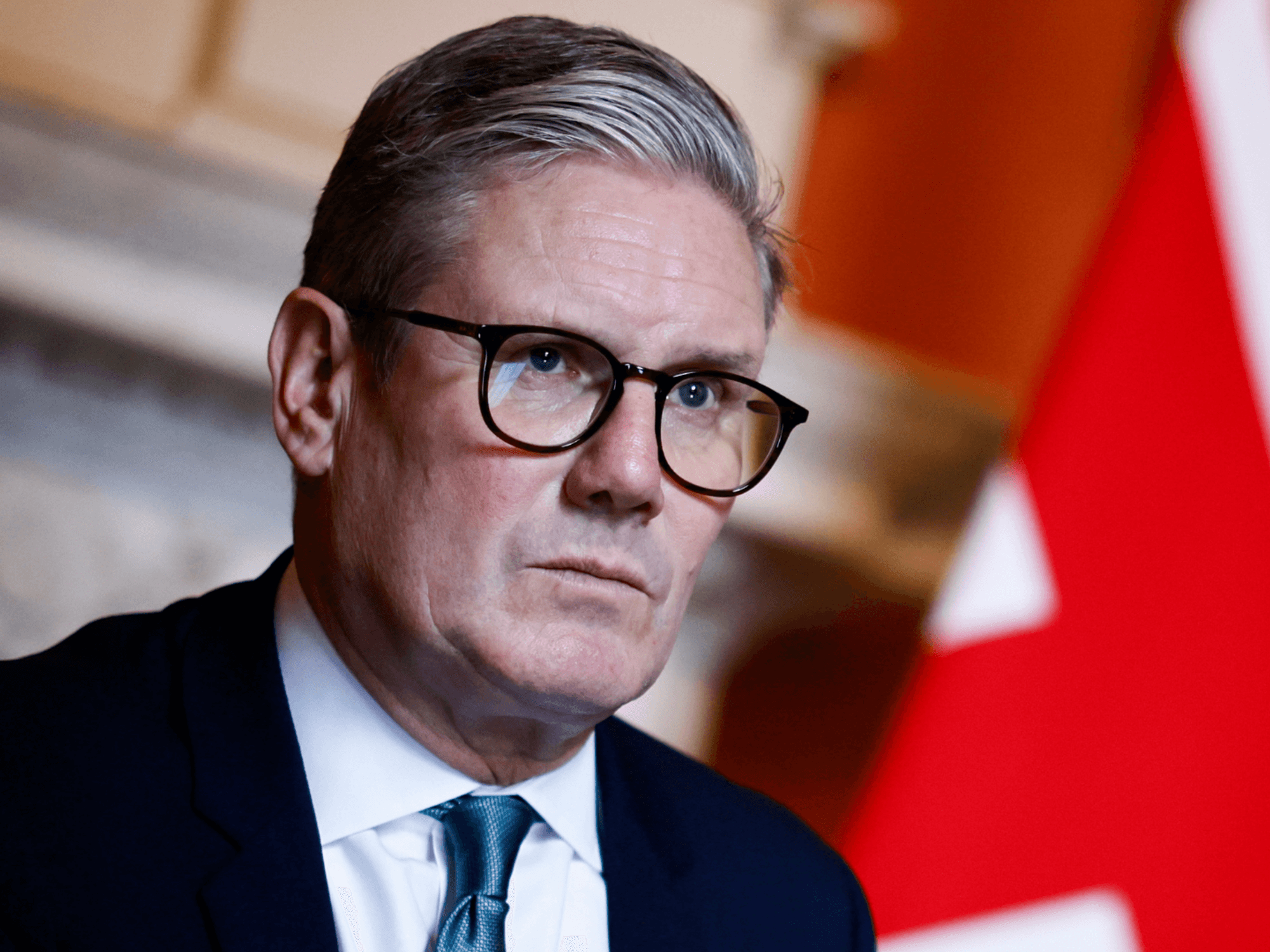
Sir Keir Starmer had a phone call with Mr Trump on Sunday on the issue.
On the call, the two leaders spoke about "the importance of reopening the Strait of Hormuz to end the disruption to global shipping, which is driving up costs worldwide", Downing Street said at the time.
The Energy Secretary, Ed Miliband, said in response to the US President's request that the UK Government was “intensively” examining what steps Britain could take to help reopen the waterway.
One possibility under discussion is the deployment of minehunting drones to detect and clear explosives that may have been placed in the shipping lane.
The drones could be operated by the Royal Navy’s Mine and Threat Exploitation Group, which is already stationed in the Middle East.
While several Nato members have voiced concern about the security of the vital shipping route, few have indicated any willingness to join a US-led operation.
Countries such as France and Germany have instead emphasised the need for de-escalation and diplomatic solutions, resisting pressure to deploy naval assets.
Italy and Spain have taken a similar stance.
Outside Europe, key US allies have also reacted cautiously.
Japan, which relies heavily on oil shipments passing through the strait, has expressed concern but faces constitutional and political limits on military action abroad.
South Korea has indicated it is reviewing options but has not committed forces, noting that any deployment would require domestic approval.
Meanwhile, Canada has signalled unease with its neighbour's approach in the Middle East, particularly as there is persisting tension between the two north American nations, such as trade disputes and provocative rhetoric from the US President.