








President Donald Trump is considering plans for an invasion of Iran depliying troops on the ground in an effort to reopen the Strait of Hormuz.
Sources told Axios the White House was discussing plans to occupy or blockade Kharg Island, which is Tehran's most important economic asset and the launch point of 90 per cent of its oil exports.
Iran has said that a US attack over last weekend on military sites at Kharg Island, was launched from the United Arab Emirates and warned that it would target oil and gas facilities in any country from which US strikes on the island were carried out.
Tehran has also said that it would target US industrial facilities in the Middle East and urged people living near US-owned plants to leave.
TRENDING
Stories
Videos
Your Say
Israeli Prime Minister Benjamin Netanyahu also suggested putting boots on the ground, saying there must be a "ground component" involved in forcing the Iranian regime to fall.
Last week, the US confirmed it would be deploying 5,000 marines and sailors, as well as USS Tripoli to the Middle East, signalling the possibility of a ground operation.
Jarrod Agen, a White House adviser, previously claimed that if the US were to invade Kharg, President Trump would "not have to worry" about Iranian attempts to keep the Strait of Hormuz shut, because it would get "all of the oil" out of Tehran’s hands.
He told Fox News: "What we want to do is to get such massive oil reserves in Iran out of the hands of terrorists."
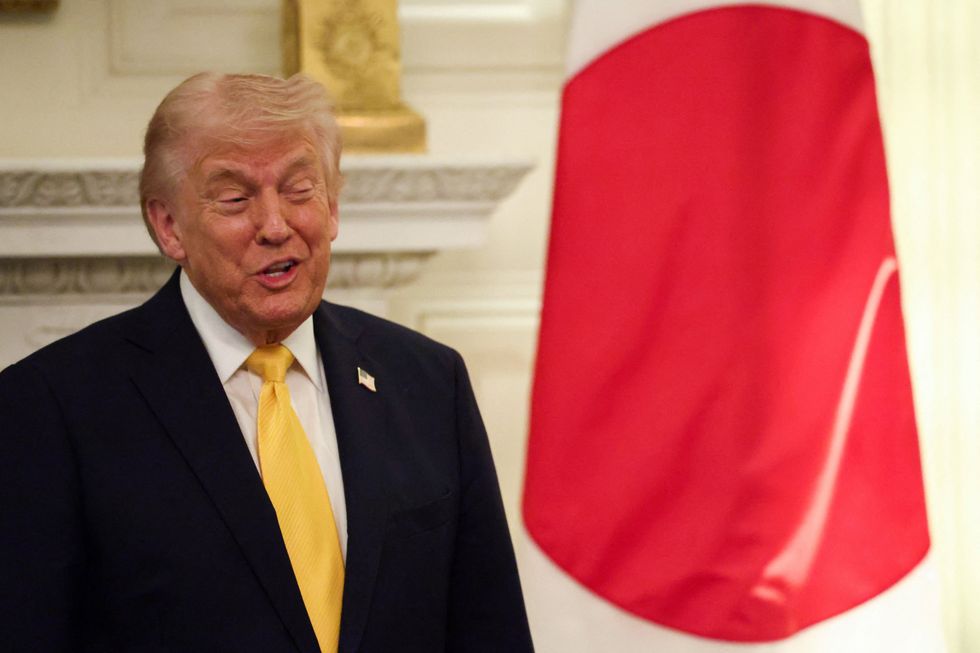
President Donald Trump has mulled the proposals
|REUTERS
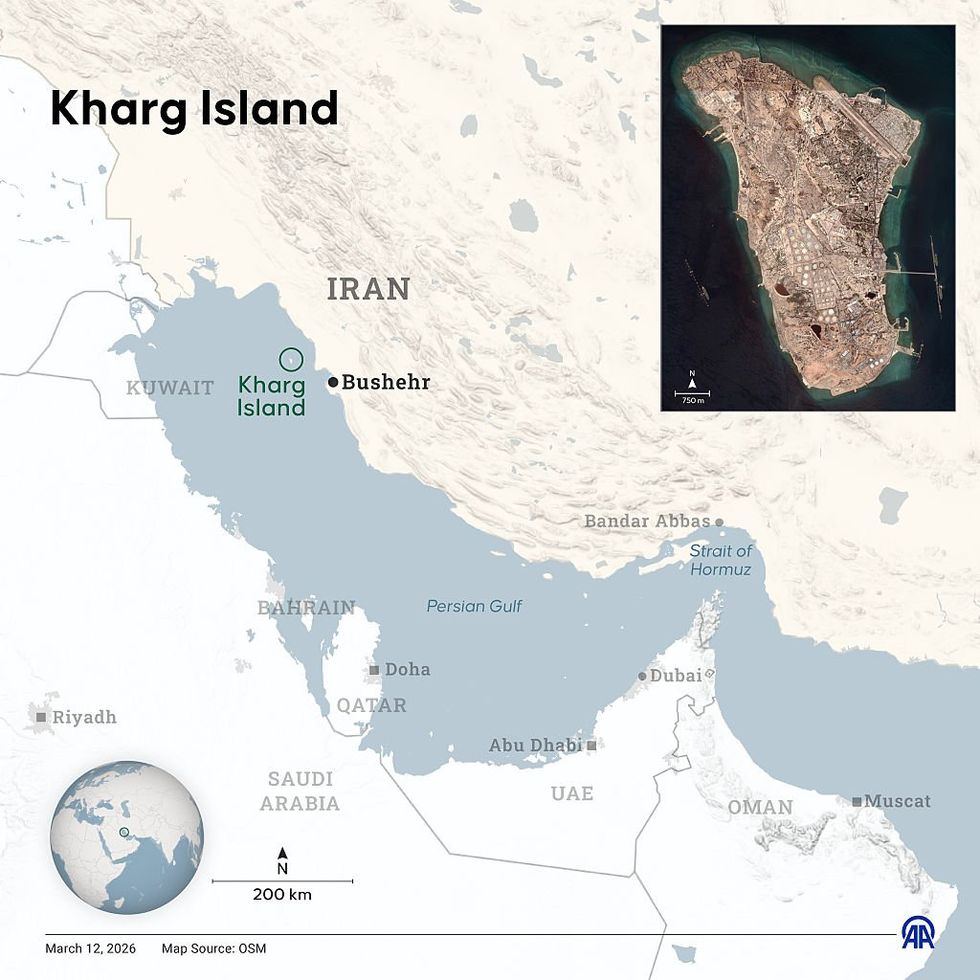
The location of Kharg Island in the Persian Gulf
|GETTY
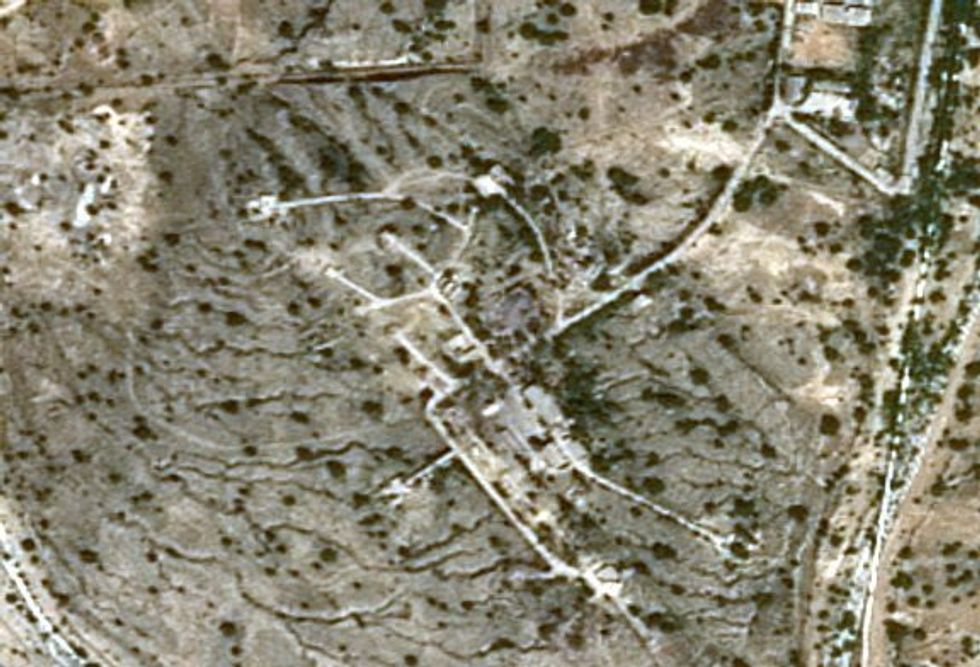
A satellite image shows damage on Kharg Island, Iran, after US strikes
|REUTERS
Kuwait's state oil firm said its Mina Al-Ahmadi refinery had suffered multiple drone attacks, setting some units alight.
Flows of crude and petroleum have dropped by about 12 million barrels per day, roughly 12 per cent of global demand, due to output cuts and export halts by Gulf producers.
Those barrels cannot easily be replaced by the transport, shipping and manufacturing industries that rely on them, and will make themselves felt for months or even years.
Iranian state TV said Ali Mohammad Naini, deputy head of public relations for the Islamic Revolutionary Guard Corps, had been killed in the Israeli strikes, the latest of dozens of leading officials to be killed by Israel.
LATEST DEVELOPMENTS
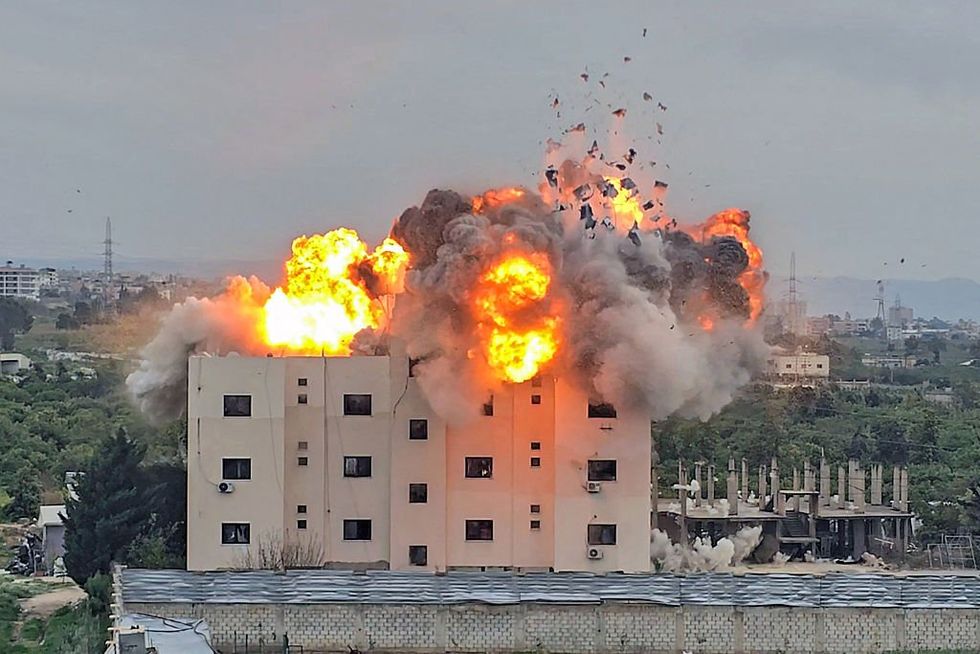
A fireball erupts from the site of an Israeli airstrike that targeted a building in the southern Lebanese village of Abbasiyyeh as strikes continue on Lebanon
|GETTY
The narrow passage of water between Iran and Oman that links the Gulf with the Gulf of Oman is the only sea exit for oil- and gas-producing countries such as Kuwait, Iran, Iraq, Qatar and the United Arab Emirates.
Oil prices briefly climbed to their highest level since 2022 on Monday.
High oil prices could trigger another cost-of-living crisis, as happened after Russia's invasion of Ukraine in 2022, according to the United Nations.
A prolonged conflict could also cause a fertilizer shock, risking global food security.
About 33 per cent of the world’s fertilisers, including sulphur and ammonia, pass through the strait, according to analytics firm Kpler.
An extended war could fuel fears of a global economic crisis similar to those that followed the Middle East oil shocks of the 1970s.
More From GB News