










The NHS offered to deliver a single 50p pill via taxi service in what critics have called an “absurd inefficiency”.
Professor Sir Jonathan Van-Tam recounted a personal story at a conference on NHS inefficiency and fraud, where the NHS offered to deliver a 50p pill to him via a taxi, which would have likely cost £70.
After running out of stock of medication, Sir Jonathan was told by his NHS pharmacy they could courier a single pill to him after he rejected taking a 60-mile round trip to collect the missing pill himself.
He had gone to collect five pills from his pharmacy, but they only had four in stock.
Staff at first said he could return later once stock had replenished, but this involved a 60-mile round trip, The Telegraph reports.
Declining to return, Sir Jonathan was then offered by NHS staff to have the medication couriered to him via a taxi, which would cost “around £60, maybe £70”.
The physician said: Of course, knowing what I know, I knew that the cost of that tablet was at worst 90p, at best 50p.
“And so I had to manually phone my GP and say, look, can you possibly prescribe me one tablet of this and it will save another bit of the NHS this heap of money that they’re going to throw at the problem in the most inefficient way?”
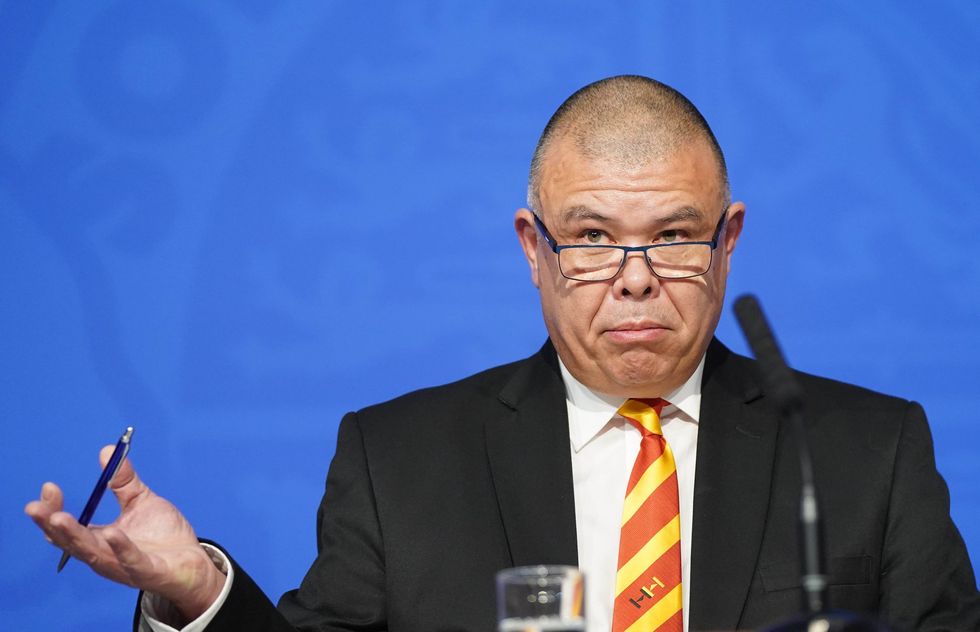
Sir Jonathan was Deputy Chief Medical Officer from October 2017 to March 2022, seeing the UK through the Pandemic
|GETTY
Lord Daniel Hannan, Director of the Institute of Economic Affairs, we are “getting the NHS we say we want”, pointing to how the UK’s healthcare is provided by a “state monopoly”.
He told GB News: “We are, paradoxically, getting the NHS we say we want.
“We insist on being the only country in the world with a 100 per cent state monopoly, and then we wonder why the system is run for producers rather than consumers.
“Inefficiencies like this are inevitable unless we are prepared to bring our underperforming healthcare system into line with what happens across Europe or East Asia.”
LATEST DEVELOPMENTS
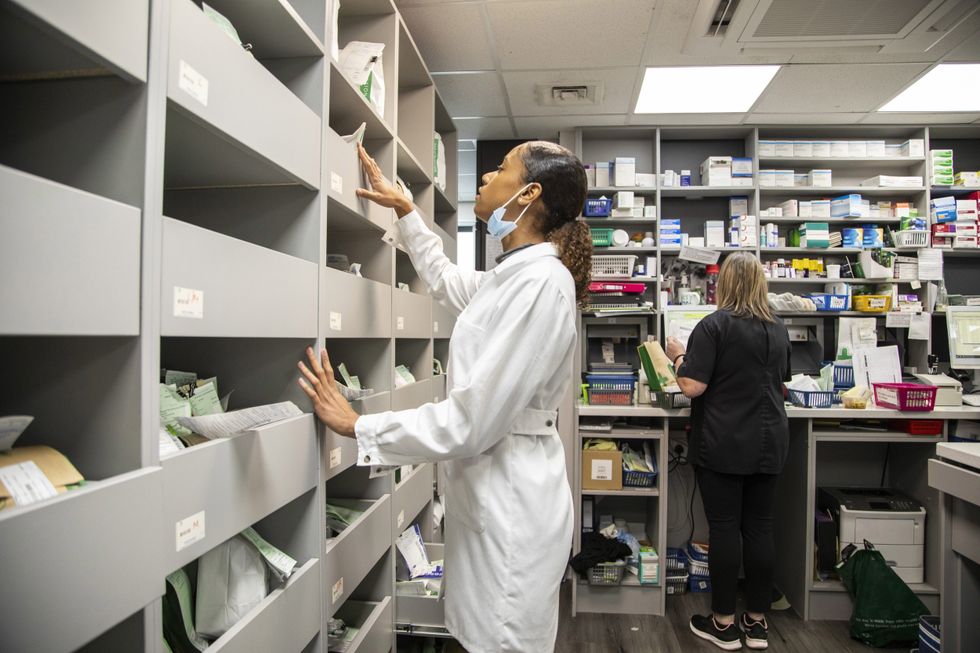
More than one billion prescription items are wasted annually in England, costing the NHS over £300million
|GETTY
The TaxPayers’ Alliance shared a similar sentiment to Lord Hannan, saying the public will be “tearing their hair out” over this stop, calling for such “absurd inefficiencies” to be “stamped out”.
Anne Strickland, researcher at the TPA, told the People’s Channel:“Taxpayers will be tearing their hair out at the fact that the NHS was willing to spend £70 on a taxi to deliver a 50p pill.
"This is exactly the kind of careless waste that drives public frustration, especially when record sums of money are going into the health service while patients sit on waiting lists.
"NHS bosses need to stamp out these absurd inefficiencies and focus on frontline delivery."
Sir Jonathan, who was the Deputy Chief Medical Officer for England during the pandemic, said his story points to how data sharing across the NHS is lacking, creating greater inefficiency in the health service.
“Had pharmacy data sets been linked up, for example, in a much more intelligent, maybe AI-assisted way, I could have been directed somewhere else to pick that up rather than having to solve the problem myself,” he said.
“But most people don’t bother to solve the problem. They’ll just take the solution that’s offered, which would have been very costly for the system.”
While Sir Jonathan’s story shone a light on the NHS’s stock issues and how this can impact costs, a separate crisis of medicine wastage is draining hundreds of millions of pounds from health budgets each year.
More than one billion prescription items are wasted annually in England, costing the NHS over £300million.
Around 10 per cent of all primary care prescriptions are estimated to be unnecessary.
Medicine checks in Somerset illustrate the scale of the problem, with one patient found to be storing 119 bottles of liquid morphine and another household sitting on 28,520 excess doses of medicine, worth almost £3,000.
An additional £300million would fund approximately 7,595 nurses or 3,606 GPs for a year.
This money also equates to keeping 1,065 hospital beds open for an entire year.
Shaun Green, Chief Pharmacist at NHS Somerset, said: “Medicines waste is a serious problem that affects local people, the environment and our budgets.
"By ordering only what you need, checking prescriptions before leaving the pharmacy, and safely returning unused medicines, we can work together to reduce unnecessary costs and ensure NHS resources are focused on patient care.”
Responding to Sir Jonathan’s story, an NHS spokesman said: “While it is right staff always have a patient’s best interests at heart, we acknowledge that the costs associated with this case seem disproportionate and it is important we focus on providing solutions that make sense for both patients and taxpayers.”
Our Standards: The GB News Editorial Charter