









Switzerland has decisively turned down a proposal to impose a cap on the nation's population at 10 million people, with the measure failing to gain majority support in a nationwide referendum.
The initiative was defeated by a margin of nearly 55 per cent of voters opposing the plan, whilst just over 45 per cent backed it.
The ballot marked an unprecedented moment globally, with Switzerland becoming the first country to put such a question directly to its electorate.
Swiss citizens cast their final votes on the matter on Sunday, with the outcome announced after polling stations closed at noon local time.
The hard-right Swiss People's Party, which holds the largest number of seats in the country's parliament, championed the measure under the banner of a "sustainability initiative".
The party contended that demographic expansion had placed considerable strain on the nation's infrastructure, accommodation, social programmes, natural resources and traditional way of life.
Foreign nationals currently account for 28 per cent of Switzerland's 9.1 million residents, with projections suggesting the overall population could hit the 10 million threshold during the early 2040s.
The populist party has cultivated anti-migration attitudes in recent years, particularly regarding the arrival of workers from neighbouring EU nations.
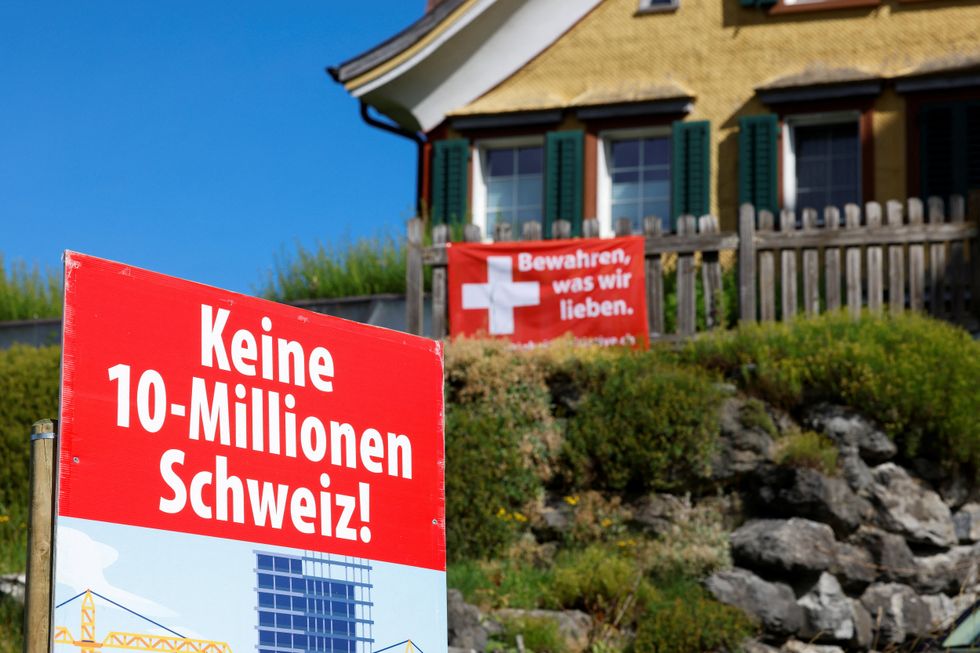
Foreign nationals currently account for 28 per cent of Switzerland's 9.1 million residents
|REUTERS
A successful vote would have obligated the Swiss Government to restrict the population by 2050 through immigration controls.
Opponents of the initiative expressed alarm that its approval would have imperilled Switzerland's relationship with the EU, the nation's principal trading partner.
The potential consequences for bilateral agreements fostering economic expansion, cultural connections and cross-border movement led some observers to characterise the referendum as a potential "Swiss Brexit".
Business organisations voiced particular anxiety about disruption to the free movement of labour between Switzerland and the EU, despite the Alpine country not being amongst the bloc's 27 member states.
LATEST DEVELOPMENTS:
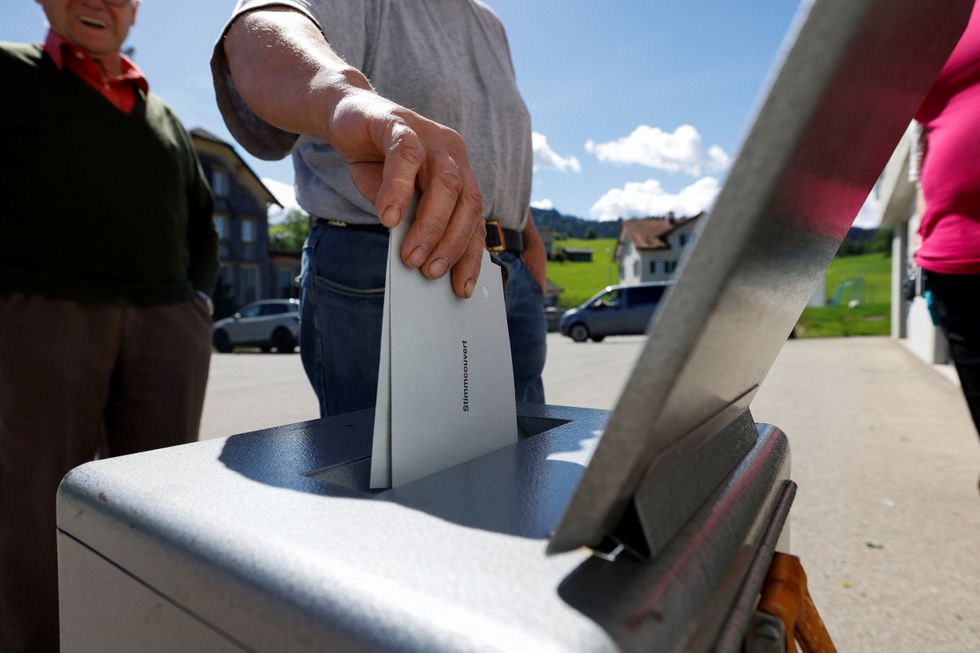
Following the result, business groups welcomed the outcome, viewing it as reinforcement for ongoing economic cooperation with the EU.
Critics highlighted that increased migration has delivered vital foreign expertise and workers to key sectors including healthcare, finance, pharmaceuticals and technology.
Justice Minister Beat Jans praised the referendum outcome as evidence of the country's dedication to stability, whilst recognising that additional measures are required to tackle concerns surrounding housing and immigration.
Among voters sharing their perspectives was Maria Lalu, a former diplomatic mission worker from the Philippines who arrived in Switzerland during the early 1980s, who backed the proposal.
"I have nothing against immigration. I also am a stranger," she said after casting her vote, adding that she wants immigration to be more orderly.
Schoolteacher Natascha Robert opposed the measure, voicing apprehension that approval could damage Switzerland's EU relationship.
"I think people always have something to bring us," she said outside a polling station in the central Paquis neighbourhood, emphasising that she was born in Switzerland to two Swiss parents.
"Does that mean that we have more foreigners and I feel less Swiss? Really, not."