






Senior railway insiders have accused Labour ministers of preventing train operators from purchasing diesel at lower prices ahead of the conflict with Iran.
According to multiple sources within the industry, the Department for Transport refused to allow rail companies to hedge their fuel costs, reportedly viewing such financial arrangements as "gambling with taxpayers' money".
A DfT spokesman dismissed these allegations as "misleading," adding the department had not received any "formal" request from operators to hedge fuel over the past two years.
Should the claims prove accurate, passengers could face increased fares next year or reduced services as greater portions of the rail network transition to public ownership.
The accusations emerge following revelations that state-owned Trans-Pennine Express faces fuel costs rising by as much as 75 per cent compared to last year's £20million bill.
The operators allegedly barred from hedging their fuel purchases are believed to include Thameslink, Avanti West Coast, Great Western Railway and Trans-Pennine Express, with the latter three either currently or formerly under First Group ownership.
Fuel prices surged dramatically following Donald Trump's military action against Iran at the end of February.
Between February and April, the wholesale cost of UK red diesel climbed by nearly two-thirds, reaching 117.56p per litre.
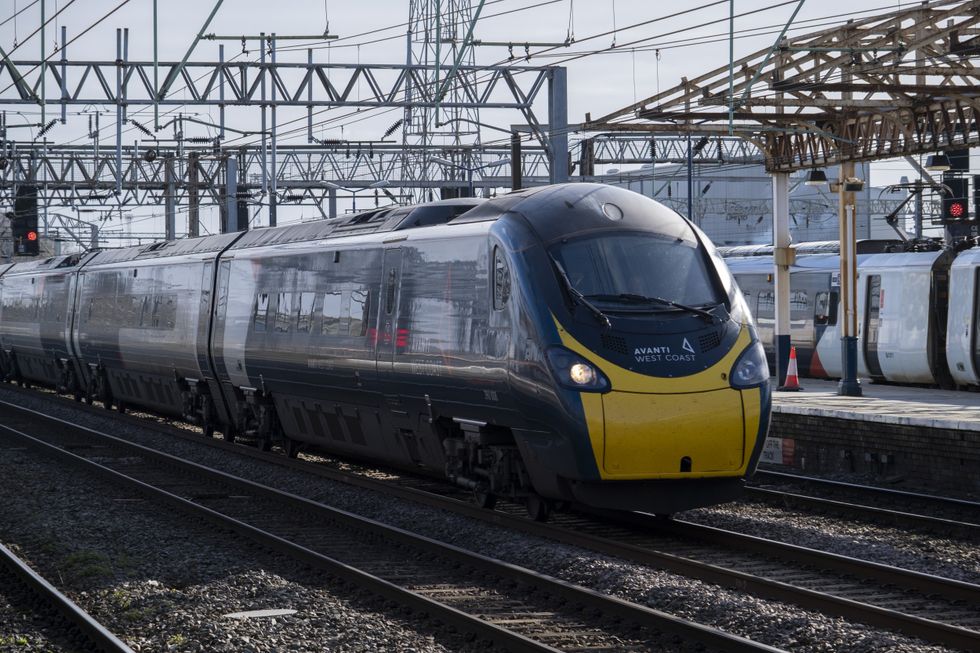
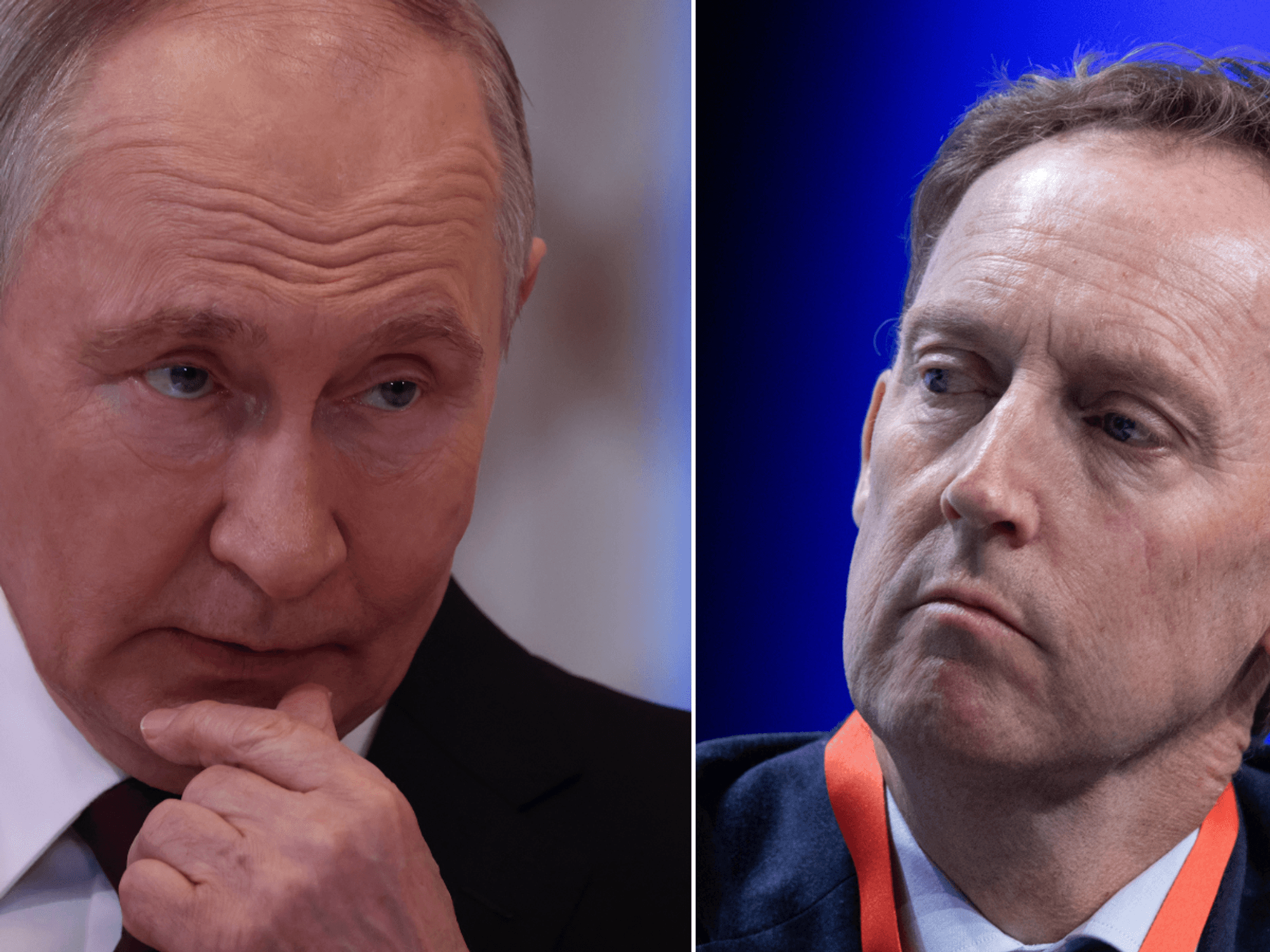
Senior insiders have claimed that the Government has stopped train companies from hedging fuel in advance of the Iran War
|GETTY
This price spike has left TPE particularly exposed, with the state-owned operator now confronting substantially higher operating costs that could strain its finances.
The situation highlights the vulnerability of rail companies that were unable to lock in cheaper fuel prices before geopolitical events sent energy markets into turmoil.
One senior rail industry figure, whose company transports tens of millions of passengers annually, said: "When DfT took on the financial cost risk from the Covid era onwards, they told us not to hedge.
"We've challenged that subsequently and always been told no as it's government policy not to hedge fuel."
LATEST DEVELOPMENTS:
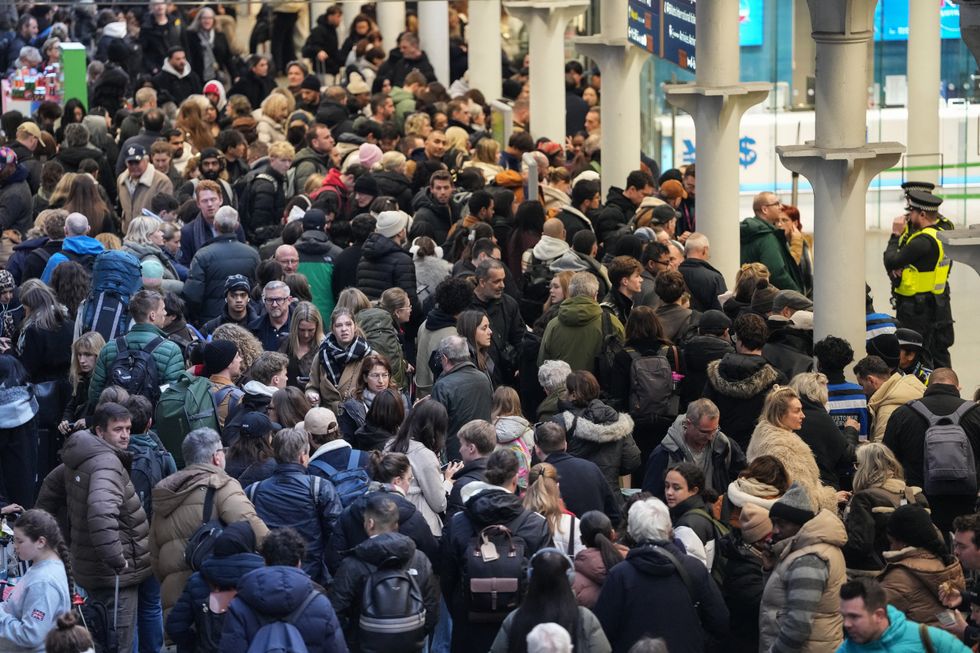
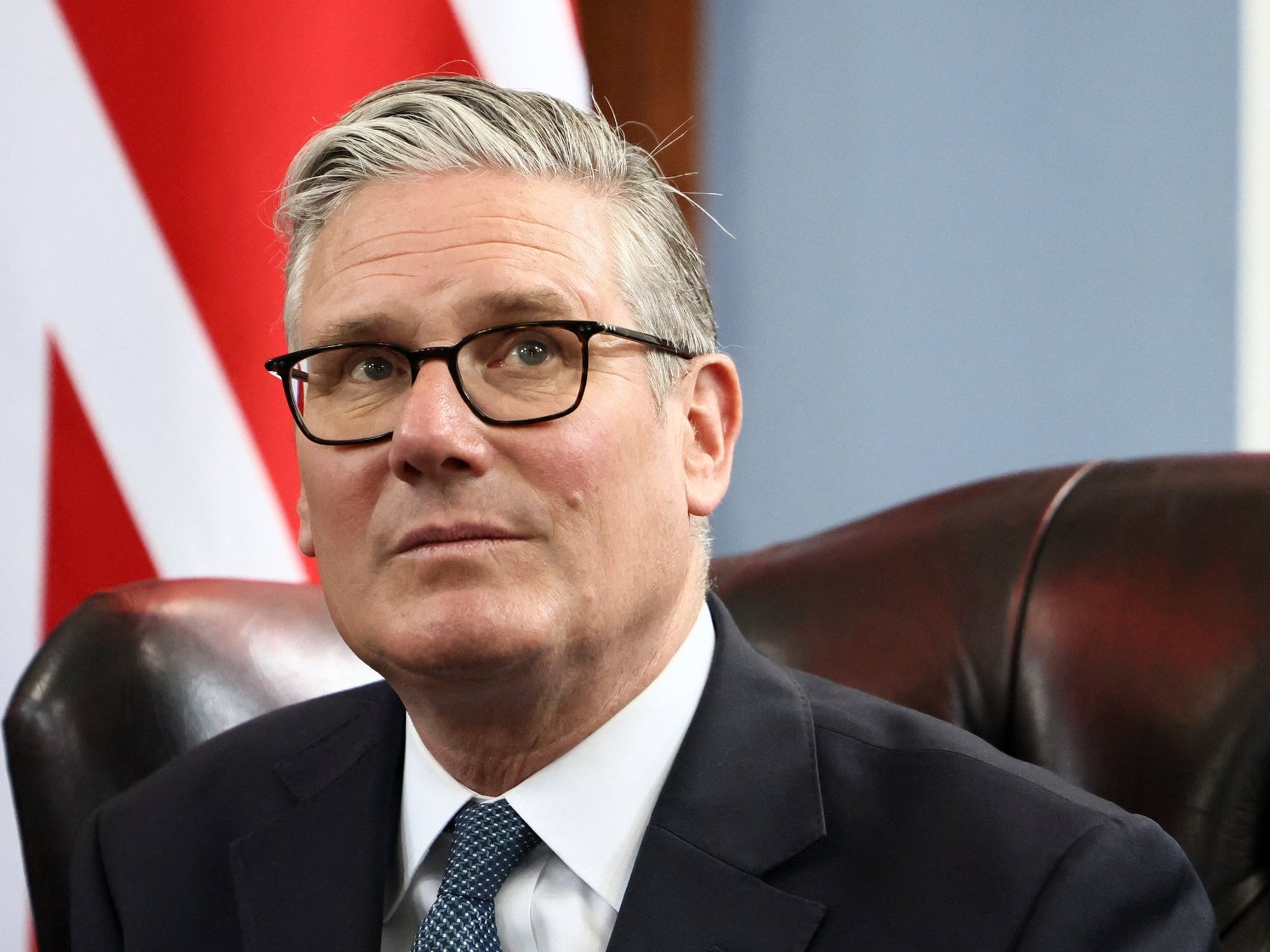
Passangers could face increased fares or reduce service disruption as a result
|GETTY
Another source speaking anonymously to The Telegraph suggested "Apparently it’s a Treasury direction... the risk is that if the oil price falls, the hedge funds make money at the expense of the taxpayer."
A third insider, whose employer operates trains under government contract, said: "When we applied to hedge the response was 'no', and the rationale was 'HM Government doesn't gamble'."
This insider added: "We struggled to get very uncommercial civil servants to understand that hedging is commercially rational and is not gambling with taxpayers' money."
Previously, parent companies such as First Group and Arriva effectively bulk-purchased diesel for both their train and bus operations.
Regarding TPE's escalating fuel costs, one insider remarked: "I don't know [managing director] Chris [Jackson] well, but I do know him and he's a clever, commercial guy. I simply don't believe he didn't ask permission to hedge on their large diesel fleet."
A DfT source maintained that "We have a pretty fearsome set of questions for train companies entering the public sector," he added.
"‘What are you doing about fuel hedging?’ isn’t high up on that list of due diligence. I think we’re reasonably sanguine about this."
Rail historian Christian Wolmar outlined the limited options available: "Either you raise the ticket prices or cut back on the number of services to save the cost of running them.
"But cutting trains tends to put people off and lead to falling ticket sales over time."