








People are receiving taxpayer-funded disability benefits for a condition associated with pretending to be ill, according to official figures.
The data comes as welfare spending is forecast to climb to record levels over the coming years.
Eleven people are currently receiving Personal Independence Payment (PIP) for Munchausen syndrome, a psychological disorder that the NHS describes as a condition where someone "pretends to be ill or deliberately produces symptoms of illness".
According to the health service, people with the condition are often driven by a desire to adopt the "sick role" and receive attention, sympathy or care from others.
The condition takes its name from Baron Munchausen, an 18th-century German aristocrat who became famous for telling exaggerated and fabricated stories about his adventures.
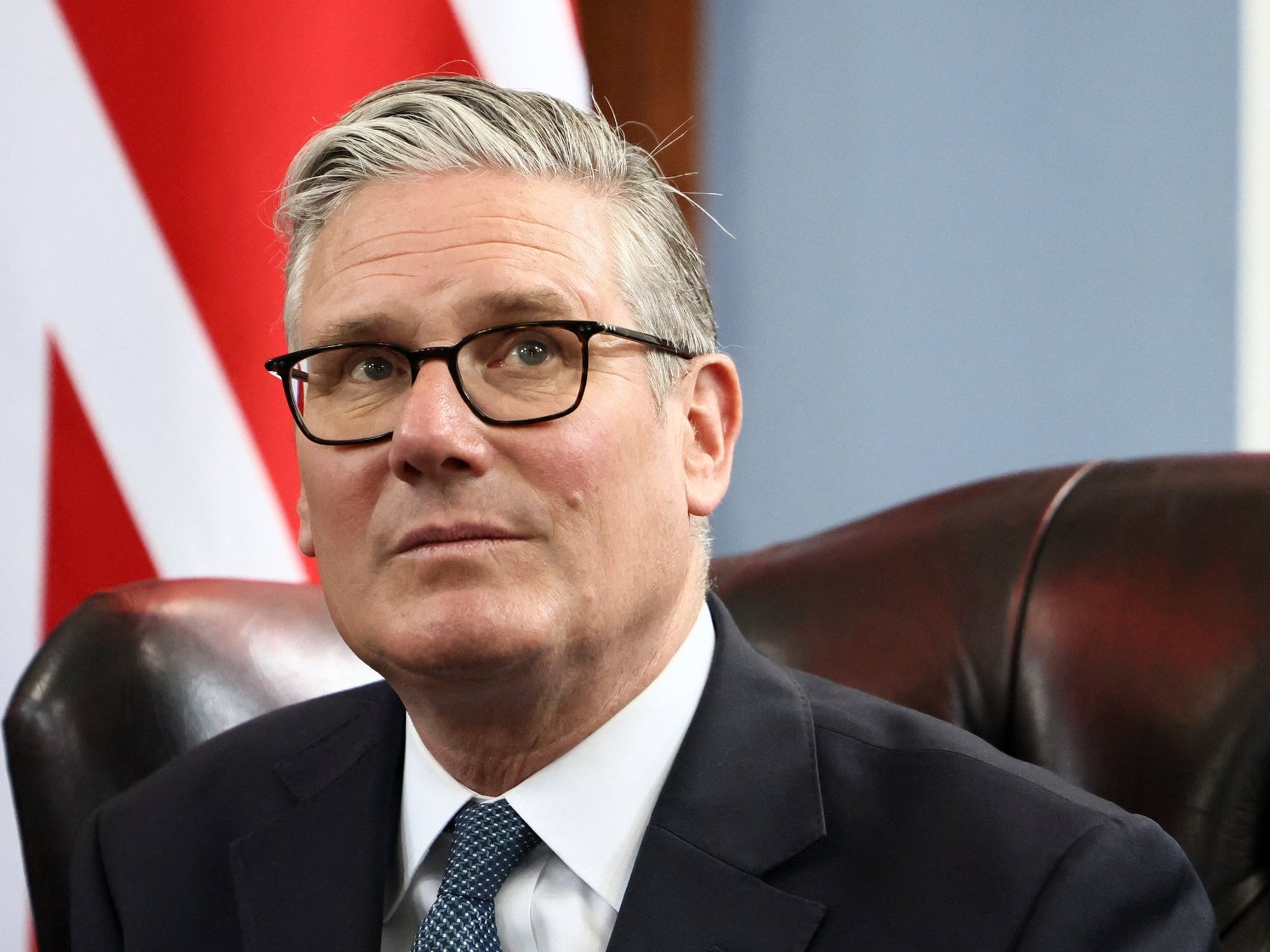
The figures, drawn from Department for Work and Pensions data published in January 2026, have sparked criticism from Shadow Work and Pensions Secretary Helen Whately.
She said: "People are claiming benefits for pretending to be sick. You couldn't make it up."
Ms Whately added: "The whole benefits system is being abused and exploited at the taxpayers' expense."
The figures emerge amid growing concern over the rising cost of welfare.
The Office for Budget Responsibility forecasts total welfare spending will reach £407billion by 2030-31, up from £333billion in the current financial year.
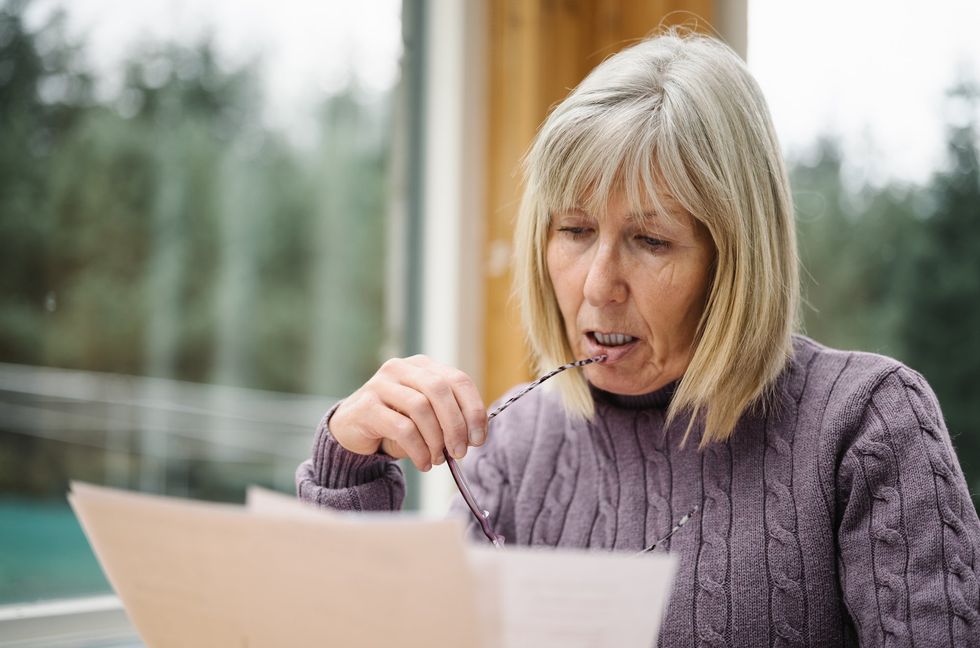
The Office for Budget Responsibility forecasts total welfare spending will reach £407billion by 2030-31
| GETTYFormer Labour Prime Minister Sir Tony Blair has also warned that spending on incapacity and disability benefits could exceed defence spending by the end of the decade.
The number of PIP recipients has risen to a record 3.9 million, with annual costs to taxpayers standing at £26billion and expected to climb to £41billion by the decade's end.
Mental health conditions now represent the largest category of PIP claims, with psychiatric disorders accounting for 39 per cent of all applications.
Mixed anxiety and depressive disorders alone account for more than 428,000 claimants, while autism claims exceed 217,000.
The Conservative Party has pledged to halt what it describes as fraud in the benefits system, with Whately promising to reassess claims based on lower-level mental health conditions and deliver £23billion in savings.
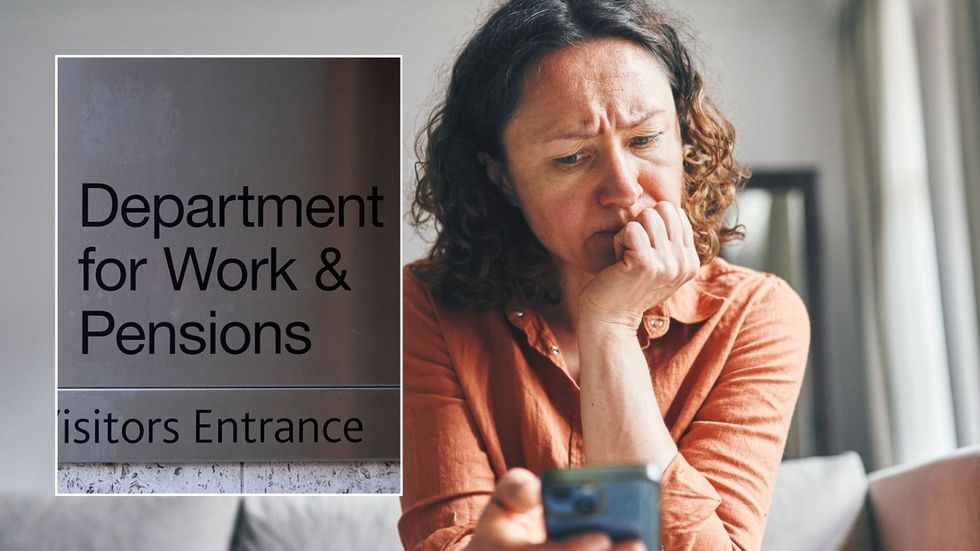
Eleven people are currently receiving Personal Independence Payment (PIP) for Munchausen syndrome
| GETTYMs Whately has also attacked the Government's approach to eligibility reviews, telling The Telegraph: "Reviews are the only way we can check whether an award is still correct.
"Fewer reviews mean more people receiving handouts for longer, at greater cost to the taxpayer."
She warned that individuals capable of employment would remain on payments for years without scrutiny, accusing Labour of "watering down the checks that decide whether awards are fair."
New regulations taking effect this week will permit claimants aged 25 and above to hold PIP awards for four years following initial assessment, extending to six years after subsequent reviews.
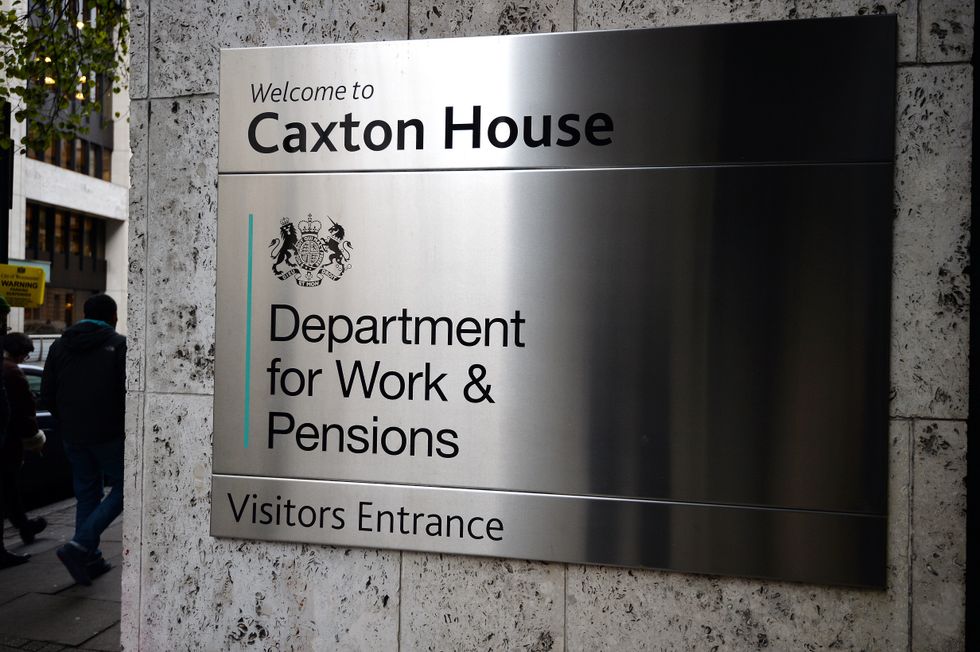
Government officials have acknowledged an "immediate need to act" in response to mounting pressure on the welfare assessment system
| PAGovernment officials have acknowledged an "immediate need to act" in response to mounting pressure on the welfare assessment system, with concerns it could "fall over" without intervention.
Senior DWP figures have stated that extending award periods would create capacity for additional face-to-face assessments, which currently represent a small fraction of evaluations conducted.
Between July 2024 and July 2025, just 49,000 PIP assessments took place in person, compared with 1.1 million carried out online.
A DWP spokesman said: "We inherited a broken welfare system with significant backlogs and contracts signed by the previous government requiring assessments to be delivered virtually."
The department claimed the reforms would save taxpayers £1.9billion over the parliamentary term while enabling personalised employment support for those able to work.