






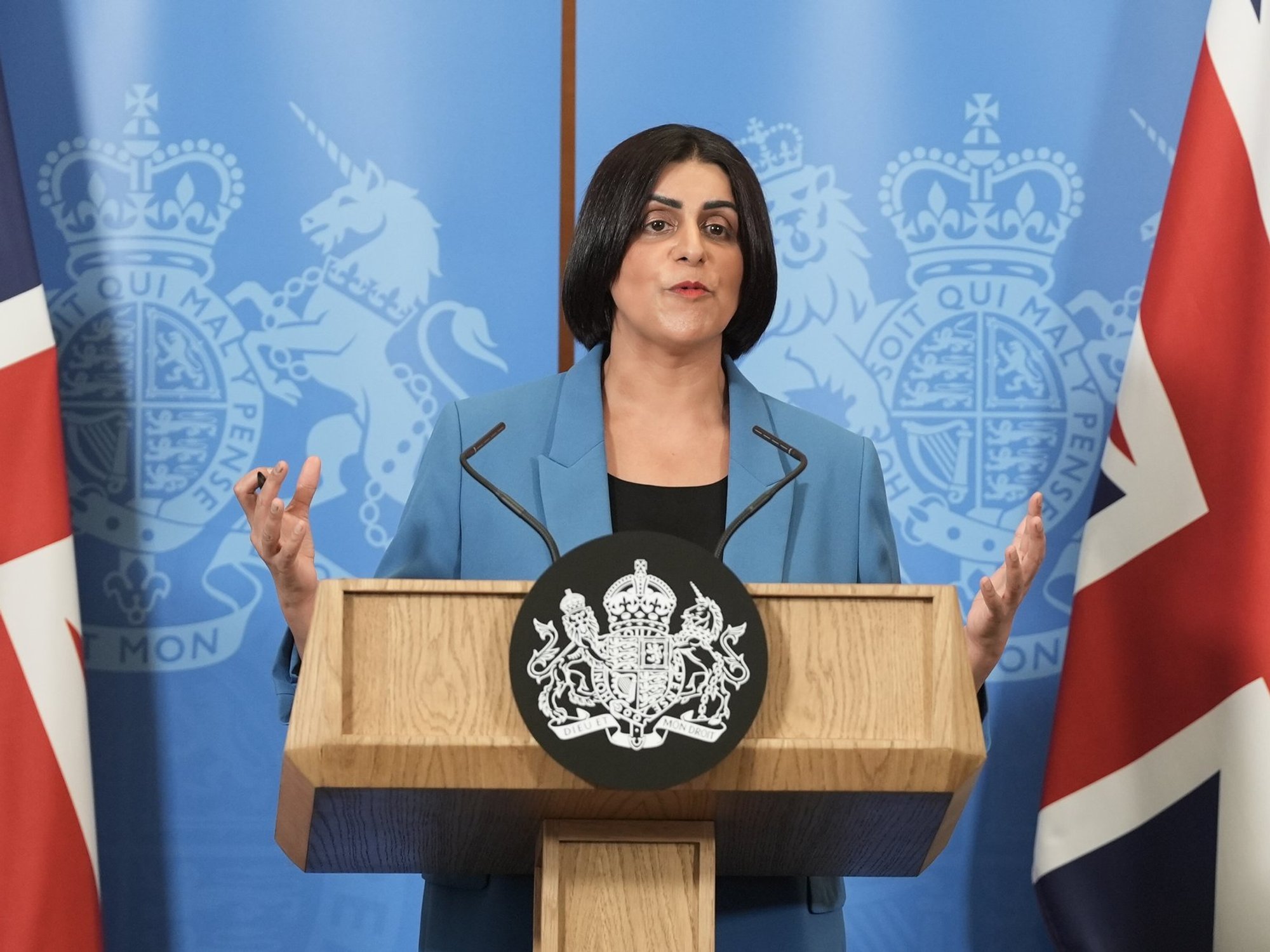
Ed Miliband is said to have spearheaded Labour's rebellion against US military action in Iran after reportedly pushing a “pacifist” case against Britain’s involvement.
Opposition to British participation in the conflict - including preventing the US from using RAF bases and the joint US-UK facility at Diego Garcia - was backed by Mr Miliband, Rachel Reeves and Yvette Cooper.
The Energy Secretary allegedly voiced strong objections to the impending US strikes during a National Security Council meeting on Friday, which had been called to discuss the potential impact of the conflict on Britain’s energy supply.
According to The Telegraph, he presented a "petulant, pacifist, legalistic, and very political" case against strikes on Iran and any UK involvement, relying on legal advice from Attorney General Lord Hermer.
TRENDING
Stories
Videos
Your Say
He was opposed by Defence Secretary John Healey, who supported allowing British bases to be used for defensive operations to support allies.
The Chancellor and Foreign Secretary are said to have backed Mr Miliband’s position during the meeting, with Sir Keir Starmer initially agreeing.
However, the Prime Minister reversed course less than 48 hours later, allowing the US to use British bases including Diego Garcia and RAF Fairford for “limited defensive” purposes.
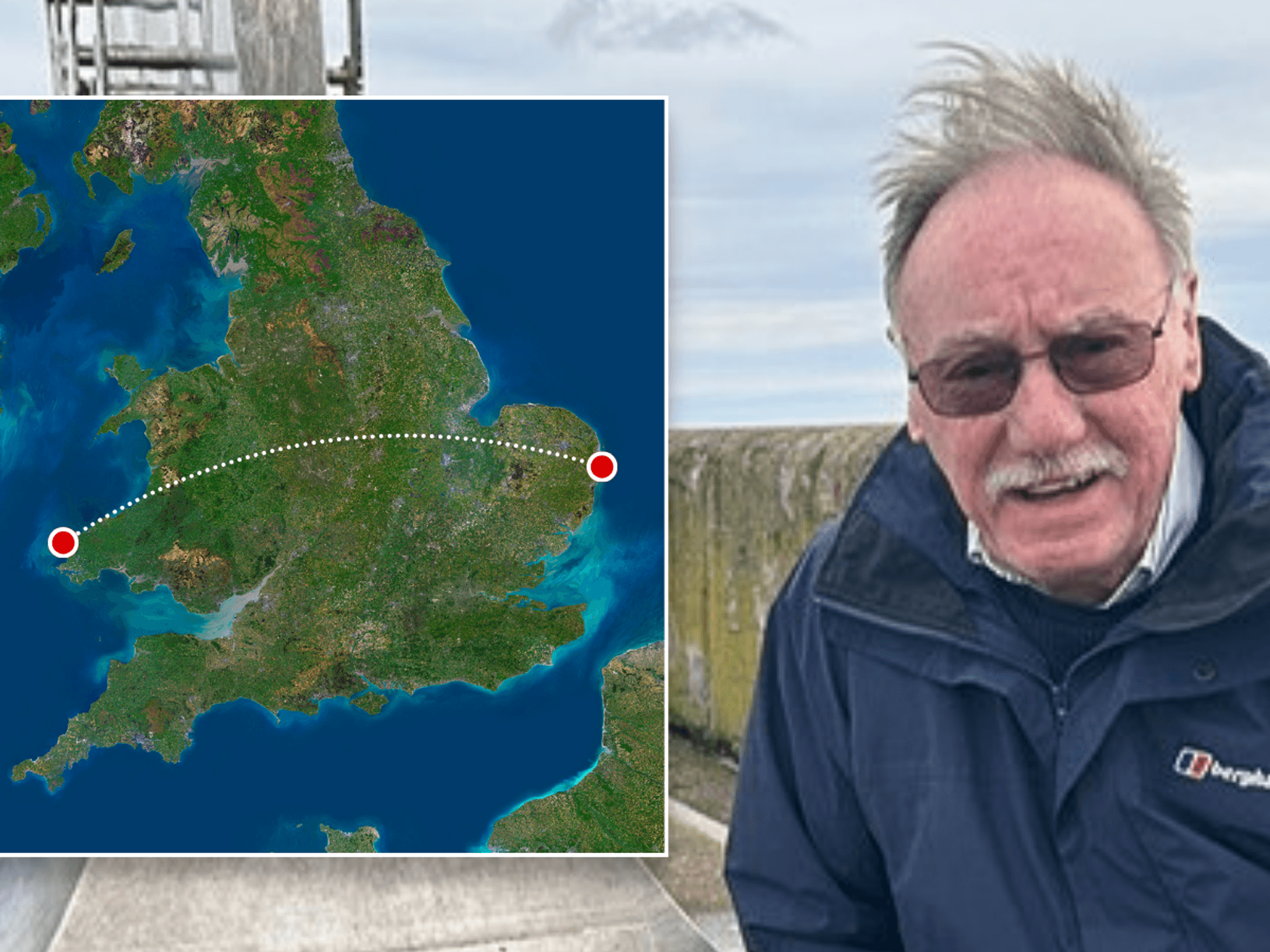
American B-2 stealth bombers are expected to arrive at Diego Garcia in the coming days, with further deployments anticipated at RAF Fairford.
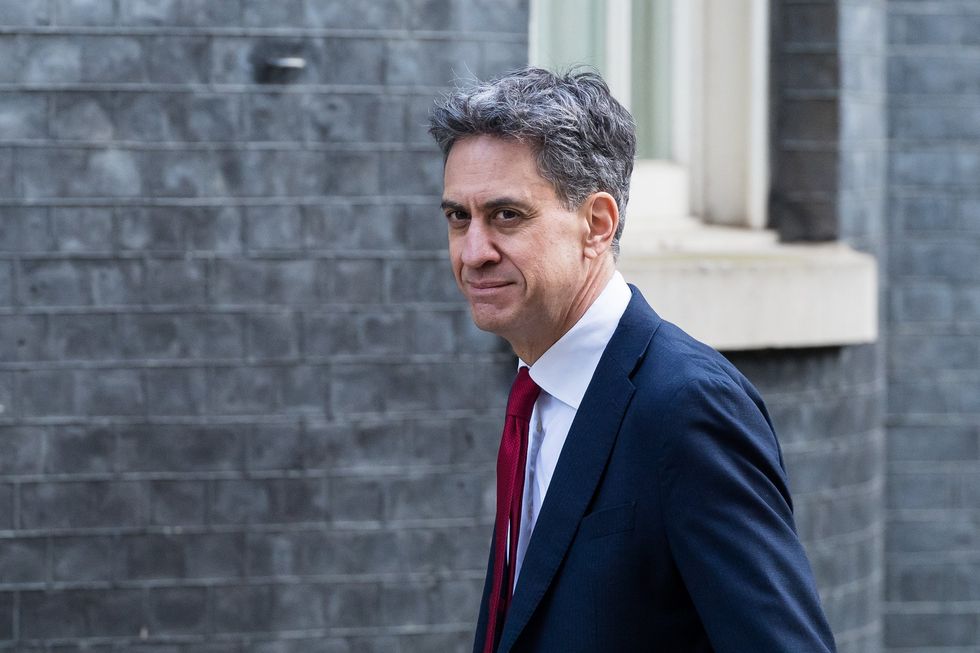
Ed Miliband is said to have led a revolt within Cabinet against British involvement in the Iran war
|GETTY
Sir Keir’s initial reluctance to allow the use of the Chagos Islands base drew criticism from Donald Trump, who said the Prime Minister was “no Winston Churchill”.
Downing Street strongly denied reports that Sir Keir had previously intended to approve US use of RAF bases before opposition from Mr Miliband and other ministers.
David Miliband, the Energy Secretary’s brother and a former Labour Foreign Secretary, warned Britain "should not divorce the US" and instead "strengthen our position in discussions" with the Trump administration.
However, he stopped short of directly endorsing the strikes on Iran.
POLITICS IN THE WAKE OF THE IRAN WAR:
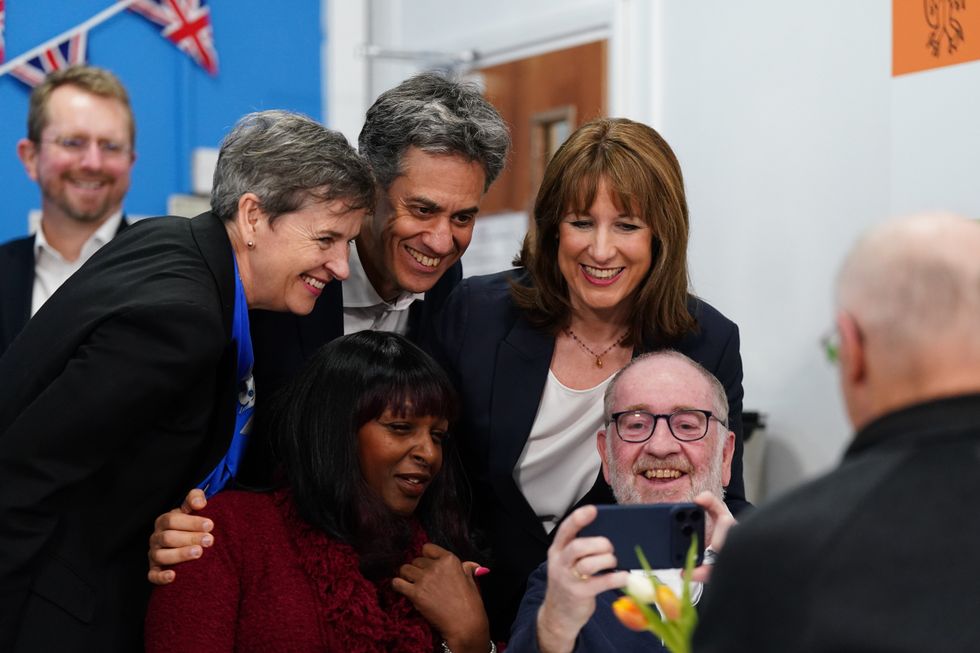
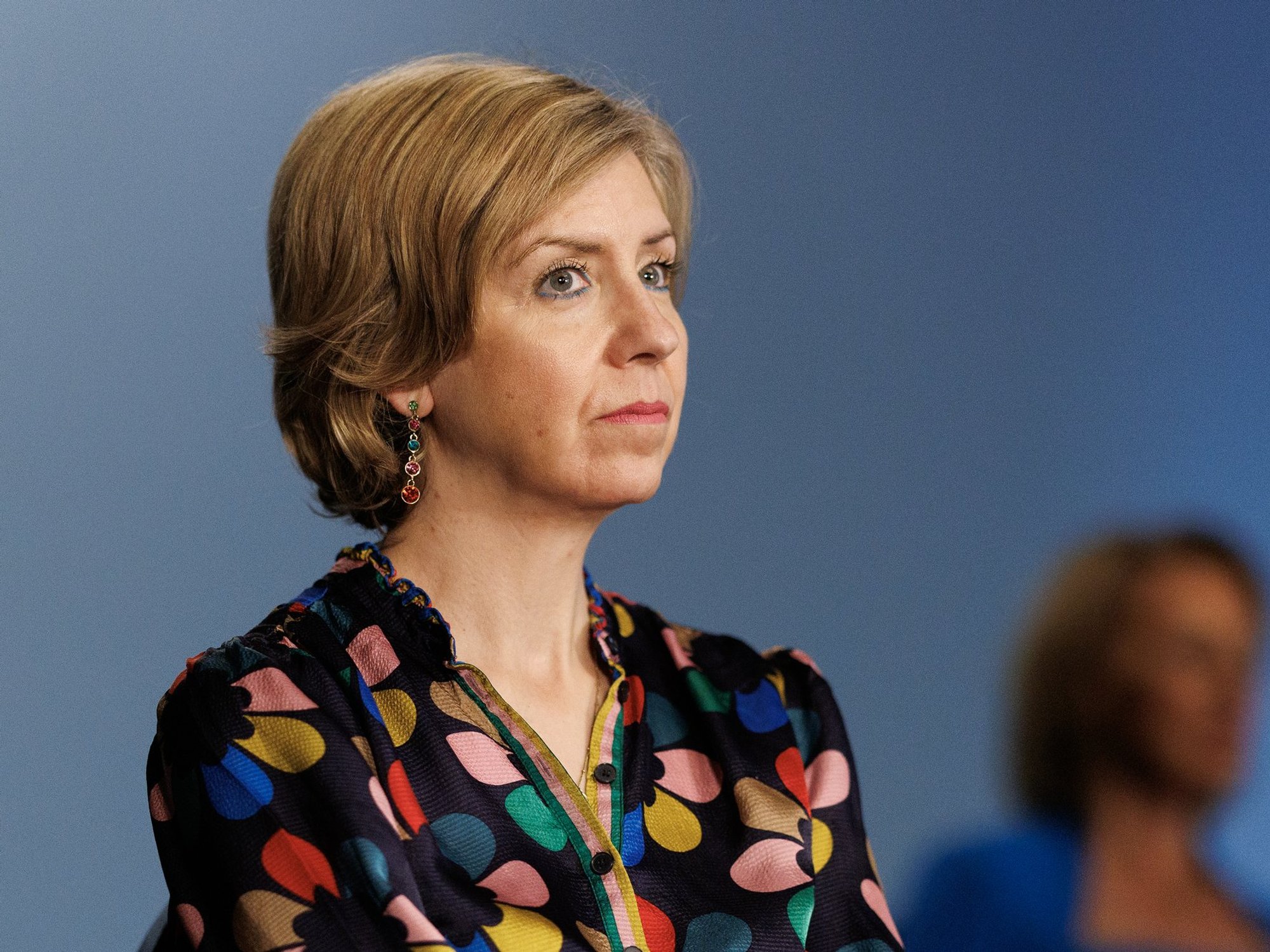
The Energy Secretary was supported by Chancellor Rachel Reeves (right) and Foreign Secretary Yvette Cooper (not pictured) in his opposition to British involvement
|GETTY
Mr Miliband previously led the 2013 campaign to block military intervention in Syria while serving as opposition leader, after Barack Obama and David Cameron proposed action following reports Bashar al-Assad had used chemical weapons.
Reflecting on the decision in 2024, Health Secretary Wes Streeting said on BBC Question Time: "I think we can say looking back on the events of 2013 the hesitation of this country and the US created a vacuum that Russia moved into and kept Assad in power for much longer."
Mr Miliband defended the decision, saying: "We could not commit British military forces without a clear plan".
Sir Keir has adopted a similar position, insisting Britain would not directly join the conflict unless there was a “thought-through” strategy from Israel and the US.
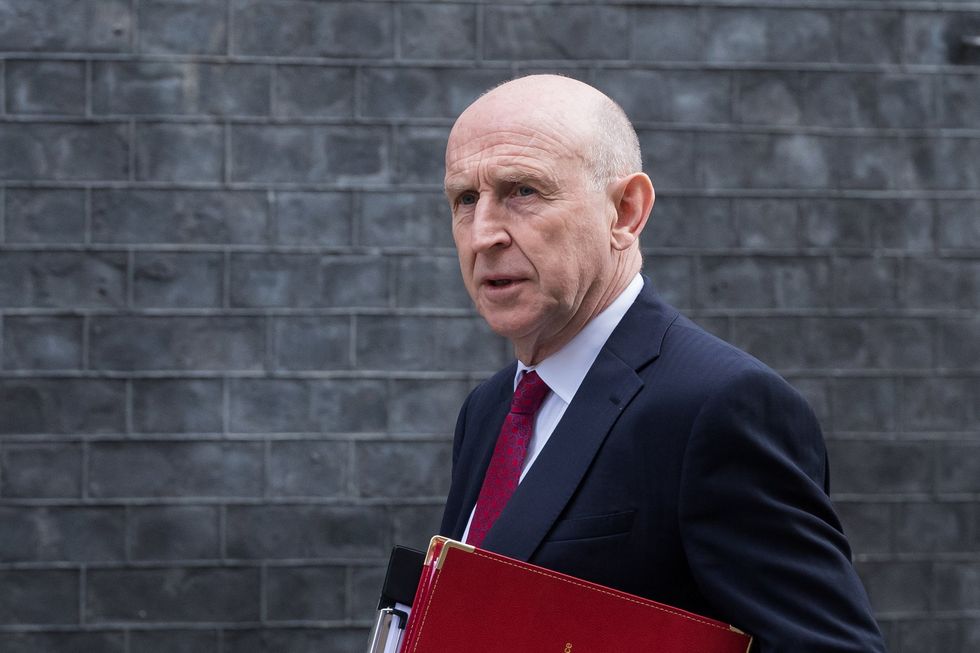
John Healey was said to be in favour of allowing the US to use British bases for defensive purposes to aid allies in the region
|GETTY
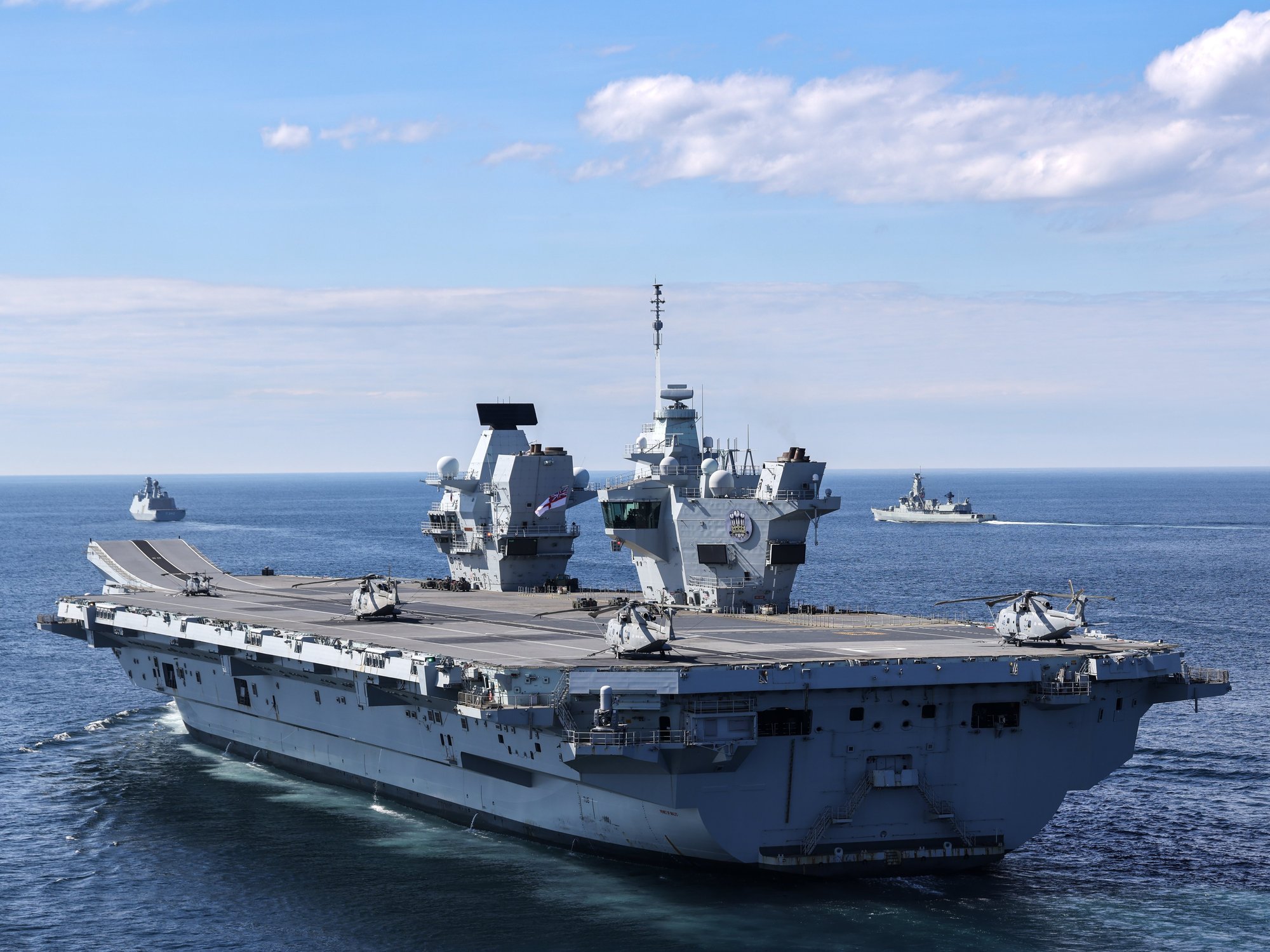
The UK has since taken steps to support the US more directly, including announcing that HMS Dragon will be deployed to help defend a British base in Cyprus.
However, Western officials said the Type 45 destroyer will not leave Portsmouth for another week as it undergoes maintenance before deployment to the eastern Mediterranean.
A Downing Street spokesman said: "We never comment on the content of National Security Council meetings.
"The decision had the full support of the Cabinet, including all the members of the National Security Council."
More From GB News