






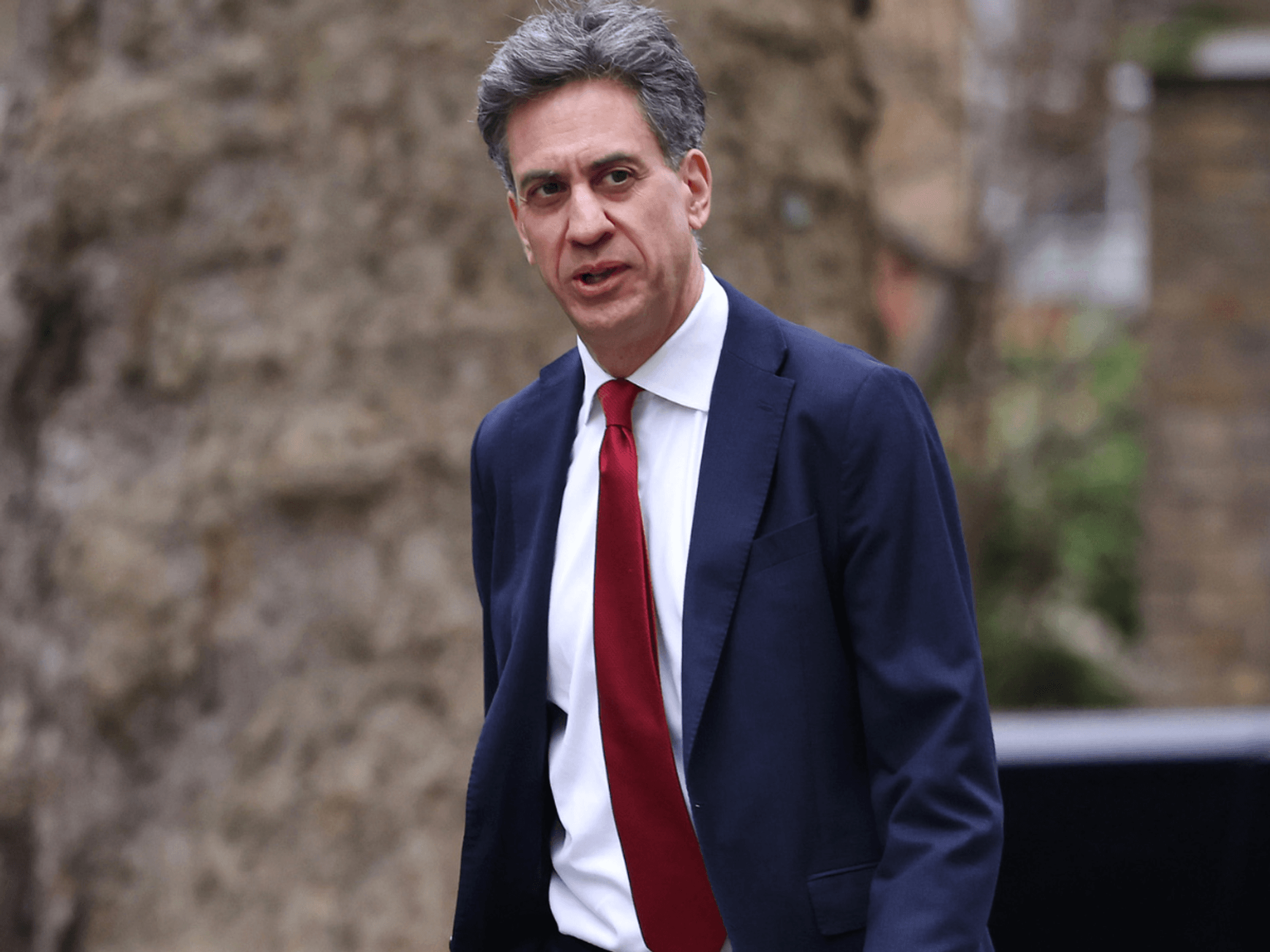
Another Labour manifesto pledge is under threat, with ministers weighing whether to abandon plans to pay young people the same national minimum wage as older workers.
The move comes as youth unemployment hits its highest level in more than a decade. Almost one in six people aged 18 to 24 are currently out of work, according to official figures released on Tuesday.
Within Government, there are growing concerns that the policy may be contributing to the problem by discouraging employers from hiring younger workers.
Business groups have urged ministers to rethink the proposal, warning it risks “pricing a generation of young people out of the workplace”.
They say rising costs - driven by increases to the national living wage, expanded employment rights and higher employers’ national insurance contributions - are making it more expensive to take on younger staff members.
As a result, ministers are now reviewing their pledge to level national minimum wage rates by the time of the next election.
Under current rules, workers aged over 21 must be paid a minimum of £12.21 an hour, while those aged between 18 and 20 receive £10 an hour.

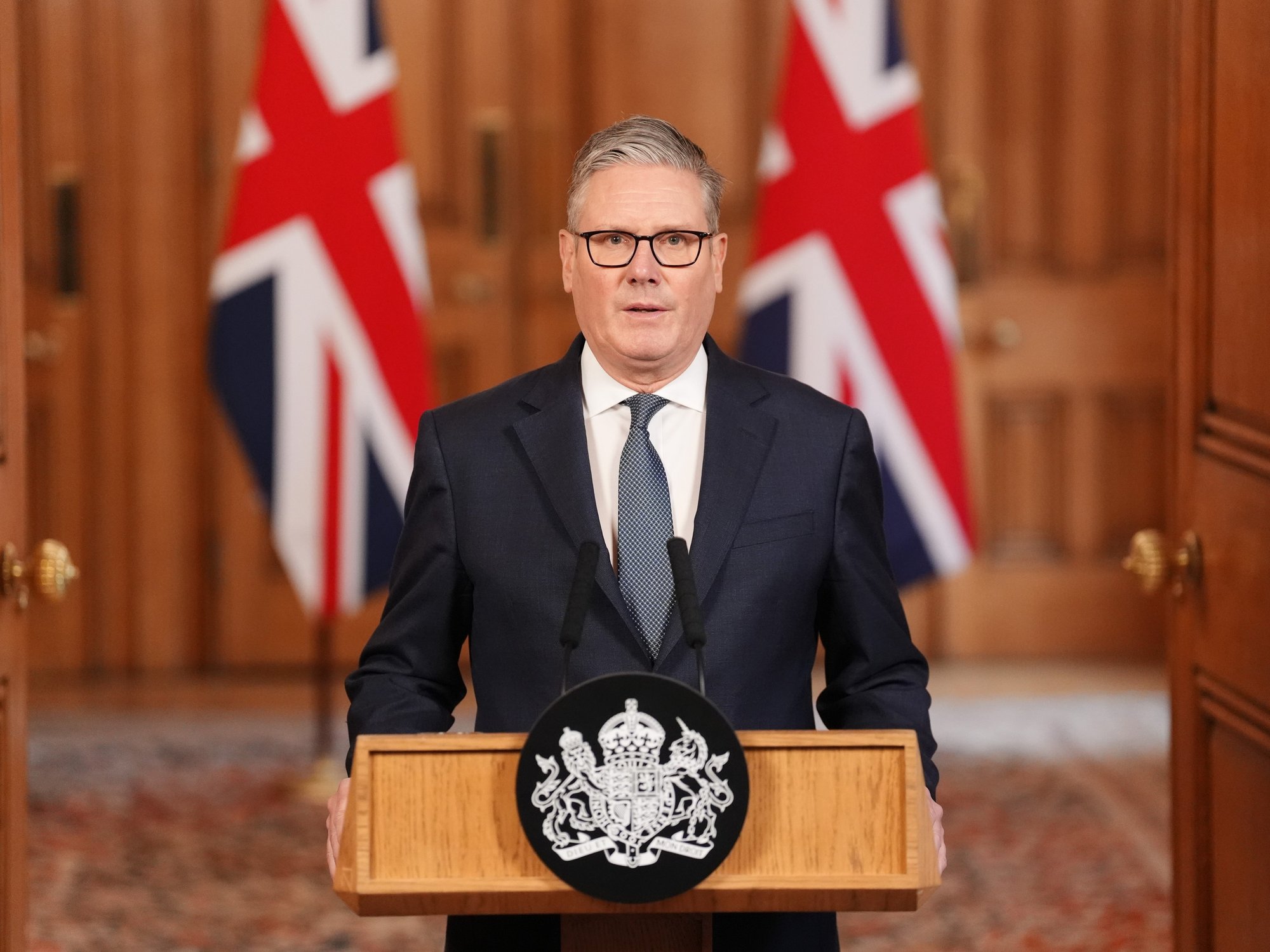
Labour is reviewing its manifesto promise
|GETTY
Labour has already implemented a 6.7 per cent rise in the minimum wage for workers over 21, alongside another 16.3 per cent increase in the cost of employing someone aged 18 to 20. A further eight per cent rise for younger workers is expected in April.
Business groups warn the changes are already having an impact. The Federation of Small Businesses says 45 per cent of small firms employing 16 to 20-year-olds have cut back on recruitment as a result.
According to The Times, sources familiar with the discussions say there are fears that further increases in minimum pay could mean more employers to reduce the number of younger workers they hire.
Ministers are now exploring alternative options, including slowing the pace of wage harmonisation by pushing full implementation beyond the next election. Another proposal would see equalisation apply only to workers aged over 20.
LATEST DEVELOPMENTS
The Government has already U-turned on other policies, including a planned rise in business rates for pubs and the introduction of a right to claim unfair dismissal from the first day of employment.
Official figures show youth unemployment rose to 16.1 per cent at the end of last year, its highest level since 2014.
Work and Pensions Secretary Pat McFadden said 381,000 more people had entered work since the start of the year, but acknowledged that “more needs to be done to get people into jobs.”
He added: “Our £1.5 billion drive to tackle youth unemployment is a key priority. This month, we announced measures to make it easier for young people to find and secure an apprenticeship, alongside investment to create 50,000 new apprenticeships.”
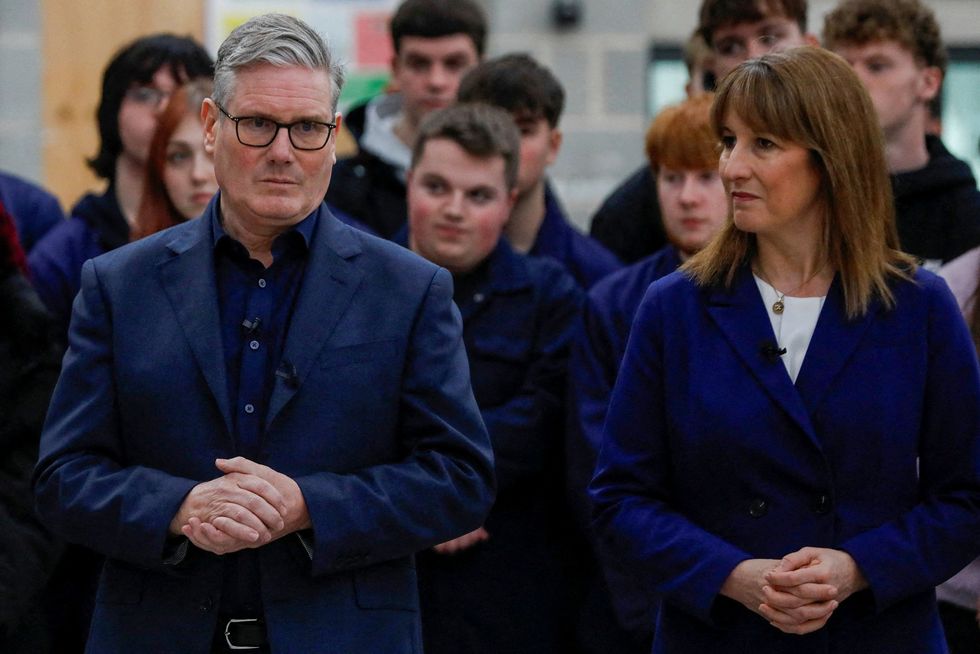
Keir Starmer and Rachel Reeves have overseen an alarming rise in youth unemployment
| GETTYThe Resolution Foundation said youth unemployment had risen above the EU average for the first time since records began in 2000. Across the EU, the youth jobless rate stood at 14.9 per cent in the final three months of last year.
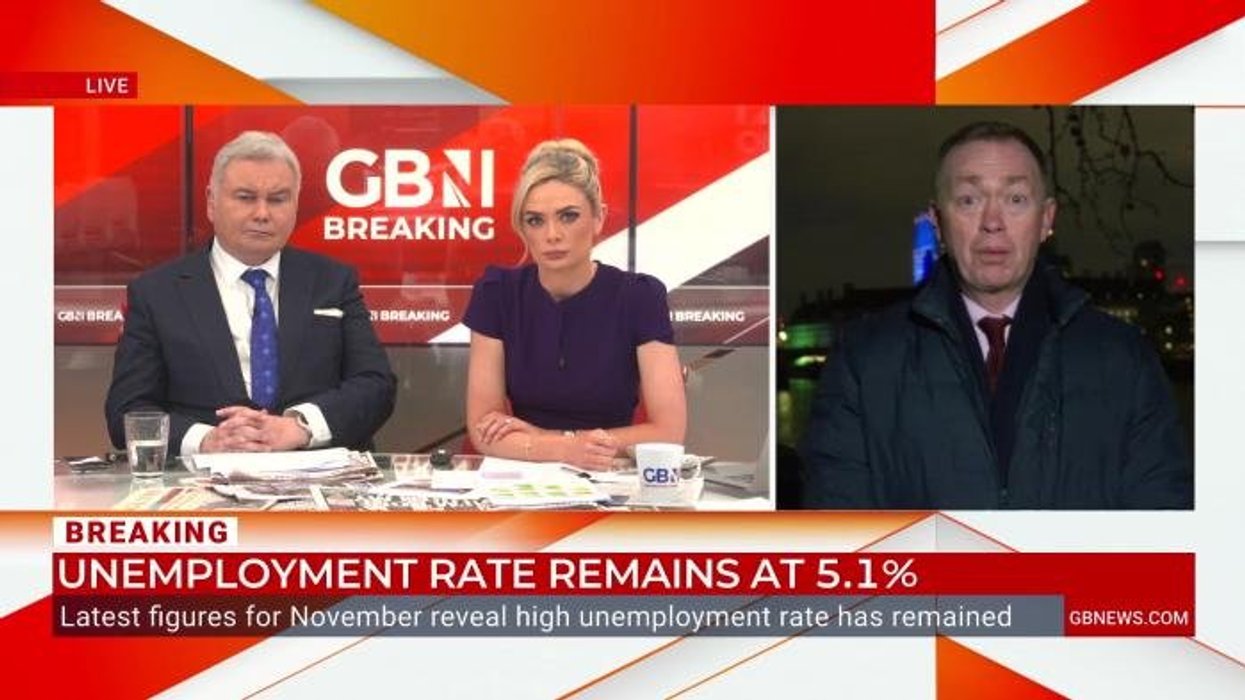
Meanwhile, the overall unemployment rate climbed to 5.2 per cent in the three months to December, close to a five-year high and up from 5.1 per cent in the three months to November.