




Kemi Badenoch is considering introducing a ban on burqas as part of a Conservative review into Islamist extremism.
Shadow Home Secretary Chris Philp and Shadow Justice Secretary Nick Timothy are both understood to be examining the case for a ban.
Mr Philp said to be concerned the full-face garment can be divisive, hinder integration and contribute to the conditions in which extremism takes hold.
But the idea has already drawn criticism, with some arguing it would do little more than penalise Muslim women for what they choose to wear.
TRENDING
Stories
Videos
Your Say
Political commentator Fahima Mahomed said the move risked being a misdirected crackdown targeting the wrong people entirely.
She told GB News: "This feels like yet another political distraction aimed at Muslim women, rather than a serious attempt to solve any real issue in Britain.
"You cannot claim to defend women's freedom by telling women what they can or cannot wear. For me, that is not liberation, it is simply state control dressed up as concern."
Ms Mahomed also raised practical concerns, warning a ban would be difficult to enforce and could deepen existing social divisions without addressing the underlying challenges communities face.
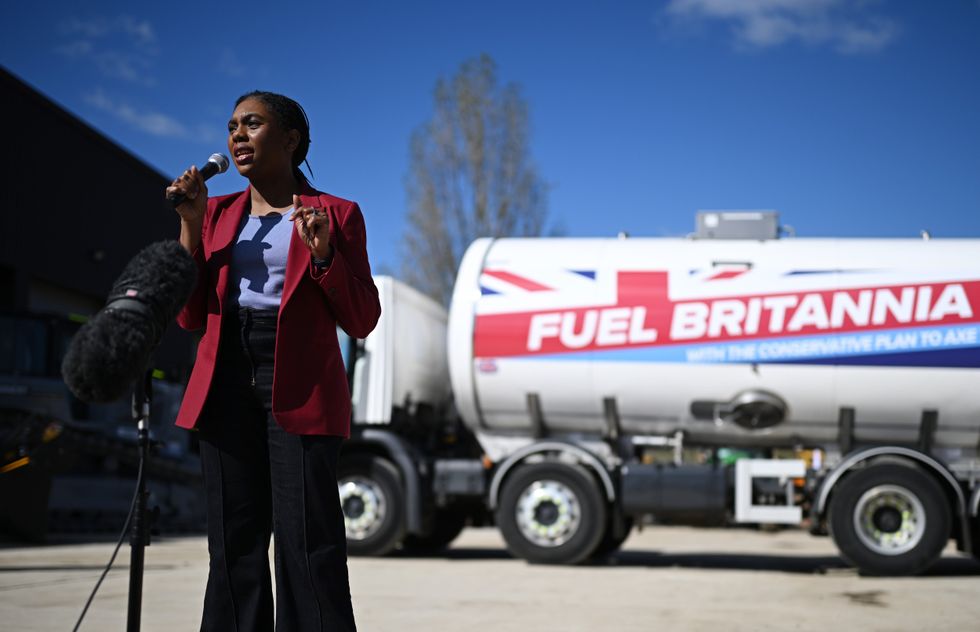
Kemi Badenoch has previously indicated she has personal reservations about face coverings
|GETTY
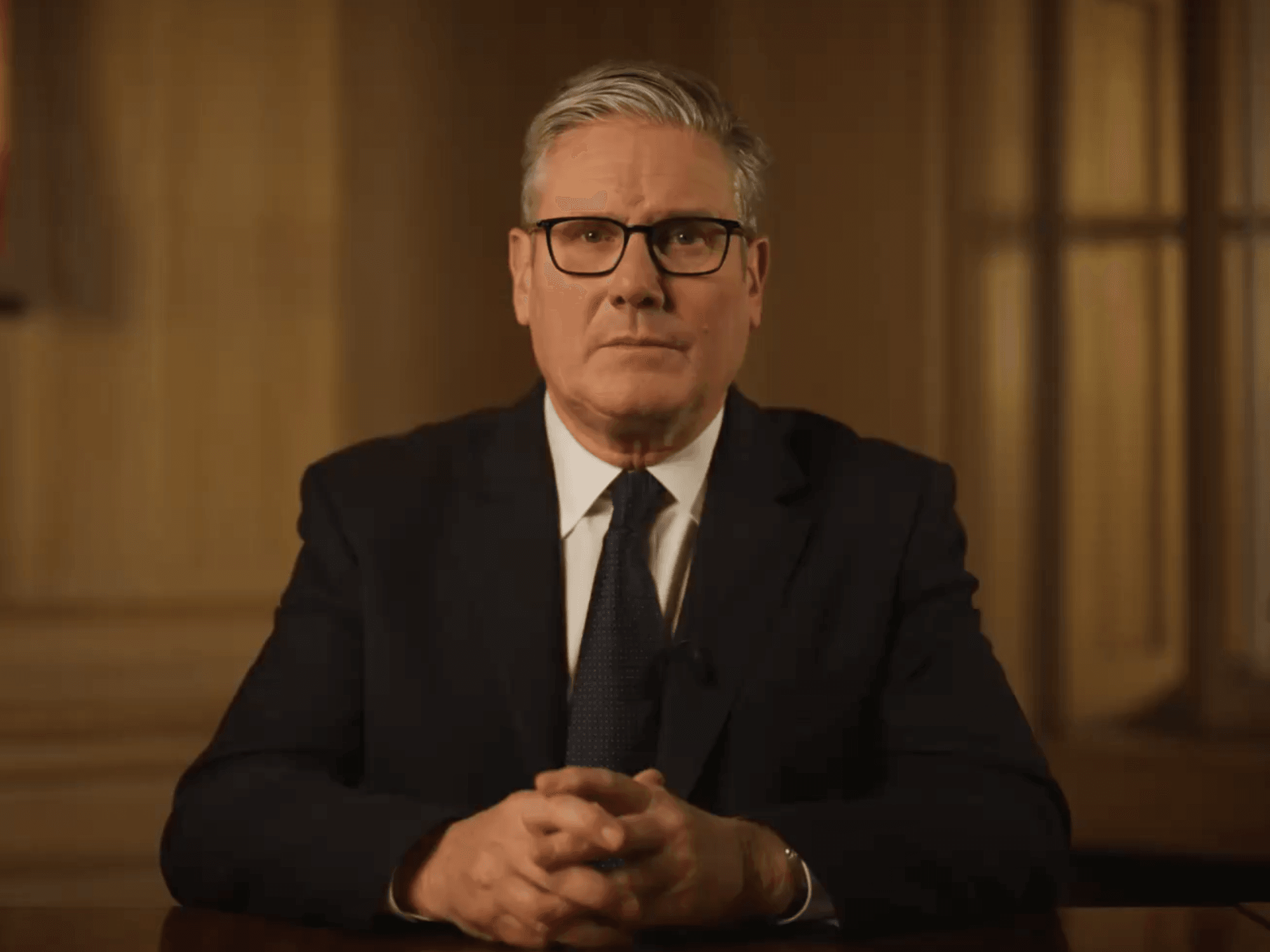
The move would create a clear dividing line with Sir Keir Starmer, who is already working to win back Muslim voters ahead of May's local elections, after they abandoned Labour for the Green Party in last month's Gorton and Denton by-election.
It would also put the Conservatives in alignment with Reform UK on the issue, the party's most significant electoral threat on the Right.
Speaking to The Telegraph, Reform's home affairs spokesman Zia Yusuf said his party believed all face coverings, from burqas to balaclavas, should be prohibited in public spaces.
He said: "In one of the most surveilled cities in the world in terms of CCTV, the idea that someone can just unilaterally opt out of that surveillance on a whim is crazy."
LATEST DEVELOPMENTS
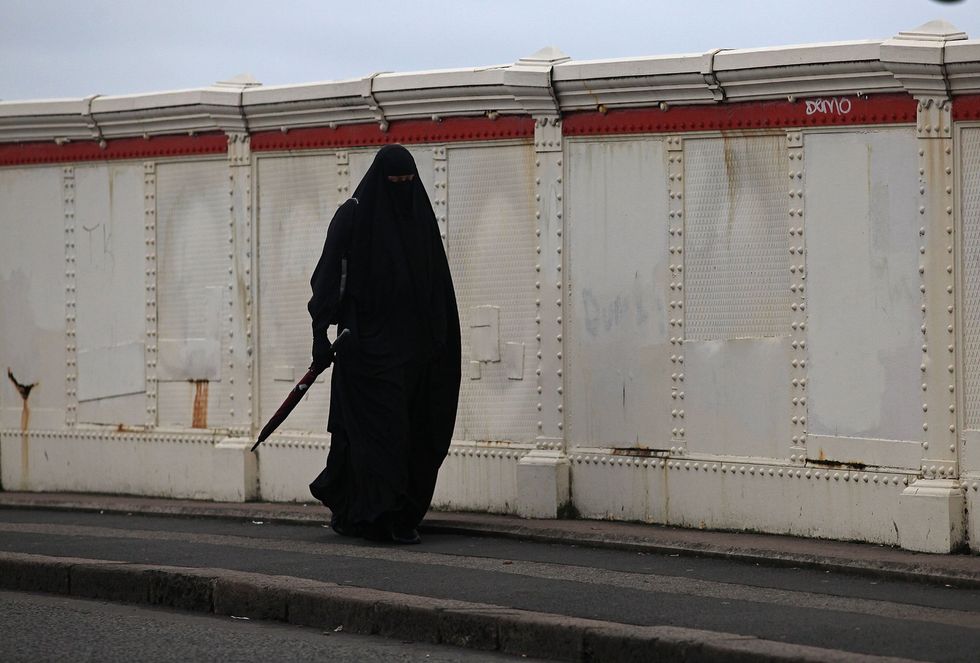
The burqa is currently banned in 24 countries, spanning across Africa, Asia and Europe
|GETTY
Several Western European countries have already introduced full or partial bans, including France, Belgium, Austria, Switzerland and the Netherlands.
The European Court of Human Rights has previously upheld such bans, ruling they do not breach the European Convention on Human Rights where they can be justified on grounds of social cohesion.
In the UK, there are currently no laws banning face coverings except at protests, where police have limited powers to direct individuals to remove them.
Mrs Badenoch has previously indicated she has personal reservations about face coverings, saying she requires people to remove them in her constituency surgery, whether they are wearing a burqa or a balaclava.
However, she has also suggested a legal ban would not be her priority, pointing to what she describes as more deeply rooted integration issues.
She previously said: "France has a ban, and they have worse problems than we do in this country on integration. Sharia courts, sectarianism, things like first-cousin marriage - there's a whole heap of stuff that is far more insidious, and that breeds more problems."
Home Secretary Shabana Mahmood, the first Muslim woman to hold the post, is understood to personally believe the Government has no place dictating what people can or cannot wear, whether miniskirts or face veils.
A Government spokesman said there were no plans to introduce legislation banning religious face coverings, adding everyone had the right to freedom of religion, including the right to wear religious attire.
New polling suggests the public is broadly supportive of a ban.
A More in Common survey of more than 2,000 adults found 56 per cent backed a ban on religious face veils such as burqas and niqabs, compared with 25 per cent opposed.
The pollster noted opposition to such practices among Britons was more commonly rooted in concerns around personal liberty and gender equality than in anti-Muslim sentiment.
The review comes as Labour this month announced a new official definition of anti-Muslim hostility, intended for use by public bodies, councils and businesses.
Critics have raised concerns the definition could restrict free speech, with one former senior diplomat warning it risked silencing Iranian protesters.
Our Standards: The GB News Editorial Charter