







Sir Keir Starmer is set to U-turn on a manifesto pledge to ban foie gras in a bid to secure an EU trade deal.
The Prime Minister is on the precipice of abandoning a key Labour manifesto commitment - banning the importing of foie gras and fur products, as the price of securing a broader trade agreement with the European Union.
Ministers are understood to be weighing up a reversal of the pledge, which Labour made while in opposition, as trade talks with Brussels on food standards move towards a conclusion ahead of a planned summit in June or July.
This potential climbdown has sparked anger among animal welfare groups, who say they are disappointed that a hard-won commitment could be quietly dropped at the negotiating table.
The talks form part of Sir Keir's wider EU reset, which has already produced a food and drink standards agreement and closer alignment on energy and carbon markets.
However, this has come with a growing list of concessions that critics say were never put to voters.
At the heart of the issue is foie gras, the French delicacy produced by force-feeding ducks and geese to artificially enlarge their livers.
The practice has been banned domestically in the UK since 2007, though importing and trading the product remains legal.
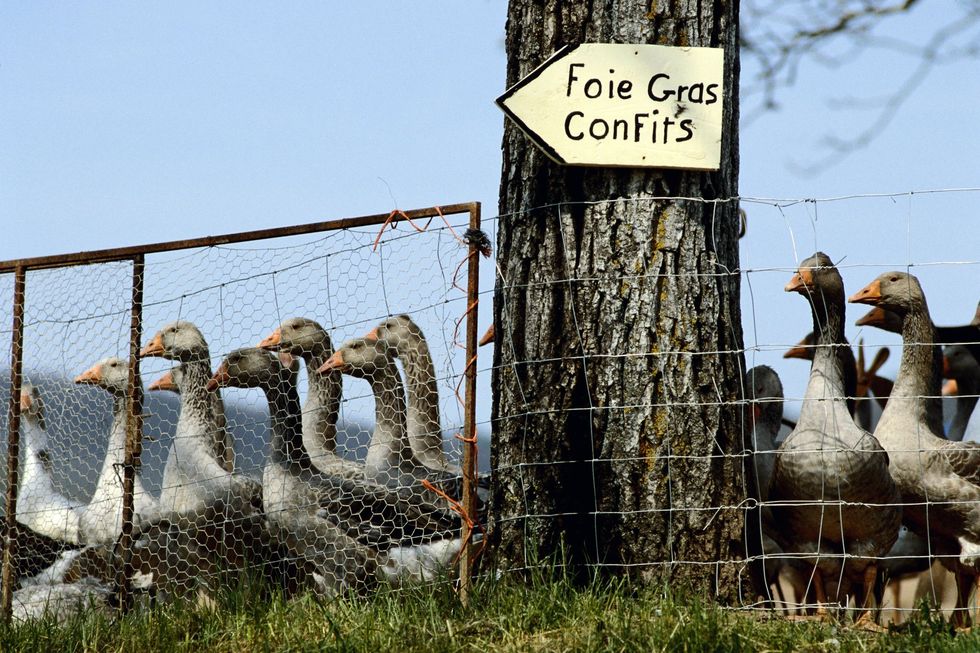
Foie gras, the French delicacy produced by force-feeding ducks and geese to artificially enlarge their livers
|GETTY
Brussels has pushed back against Britain maintaining any ban on the grounds that EU member states are not permitted to block each other's food products for animal welfare’s sake, putting the two sides on a collision course.
Under the terms of the deal Sir Keir has been pursuing, the UK would need to seek a special exemption from Brussels to press ahead with any import ban.
Sources close to the talks suggested to the Guardian that abandoning the pledge altogether was the more likely outcome, in exchange for concessions elsewhere.
The same EU restrictions would apply to fur imports, despite Britain having outlawed fur farming for more than two decades.
LATEST DEVELOPMENTS

The practice of force-feeding ducks and geese has been banned domestically in the UK since 2007
|GETTY
Steve Reed, Housing, Communities and Local Government Secretary, had said Labour would ban the commercial import of foie gras outright, describing the force-feeding of birds as deeply cruel.
Whitehall sources declined to rule out a change in direction when contacted by the Telegraph.
David Bowles, head of public affairs at the RSPCA, said the organisation remained concerned, and stronger action was still needed to stop the fur trade in the UK entirely, “particularly at a time when Europe appears to be moving towards licensing of fur farms”.
Animal rights groups point out that foie gras production is inherently cruel and cannot easily be carried out humanely, despite the practice dating back almost 5,000 years to ancient Egypt.
The issue has had a turbulent political history in Westminster.
Boris Johnson pledged to use Britain's departure from the EU to impose strict controls on both products, but the previous Conservative government quietly dropped the commitment following a backbench rebellion.
A Government spokesman said Britain had some of the highest animal welfare standards in the world and pointed to the publication of an expert committee report on the responsible sourcing of fur as delivering a key commitment in its animal welfare strategy.
The Chancellor Rachel Reeves has argued that deeper integration with the EU will drive economic growth and boost British exports, though she has ruled out rejoining the single market or customs union.
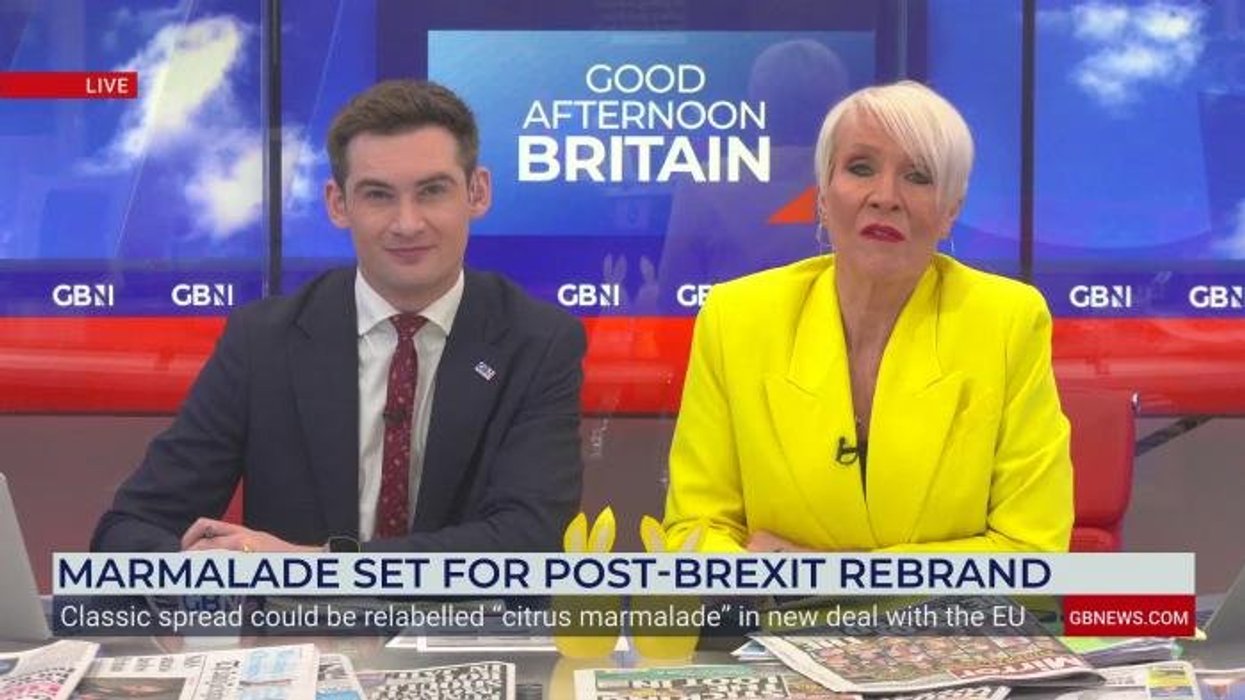
This comes after much-loved British breakfast staple, marmalade, is set to be rebranded as "citrus marmalade" under 76 revised EU food laws the UK is expected to adopt.
That change, already due to come into force in Northern Ireland this summer under the Windsor Framework, could extend to England, Wales and Scotland if the broader food deal is finalised, though a timetable has yet to be confirmed.
The Government has insisted that British marmalade will remain the same product on supermarket shelves, with the changes designed to remove red tape for exporters trading with the EU rather than alter the product itself.
The Department for Environment, Food and Rural Affairs said it was engaging with affected businesses and would consider aligning with EU standards “where it makes sense to do so”.
But with foie gras, fur and marmalade all now caught up in the same broader negotiation, critics argue the cumulative weight of concessions is beginning to tell a different story about the true cost of Sir Keir's EU reset.
The Government has not confirmed whether the foie gras and fur ban will be formally dropped, and negotiations with Brussels are ongoing.