

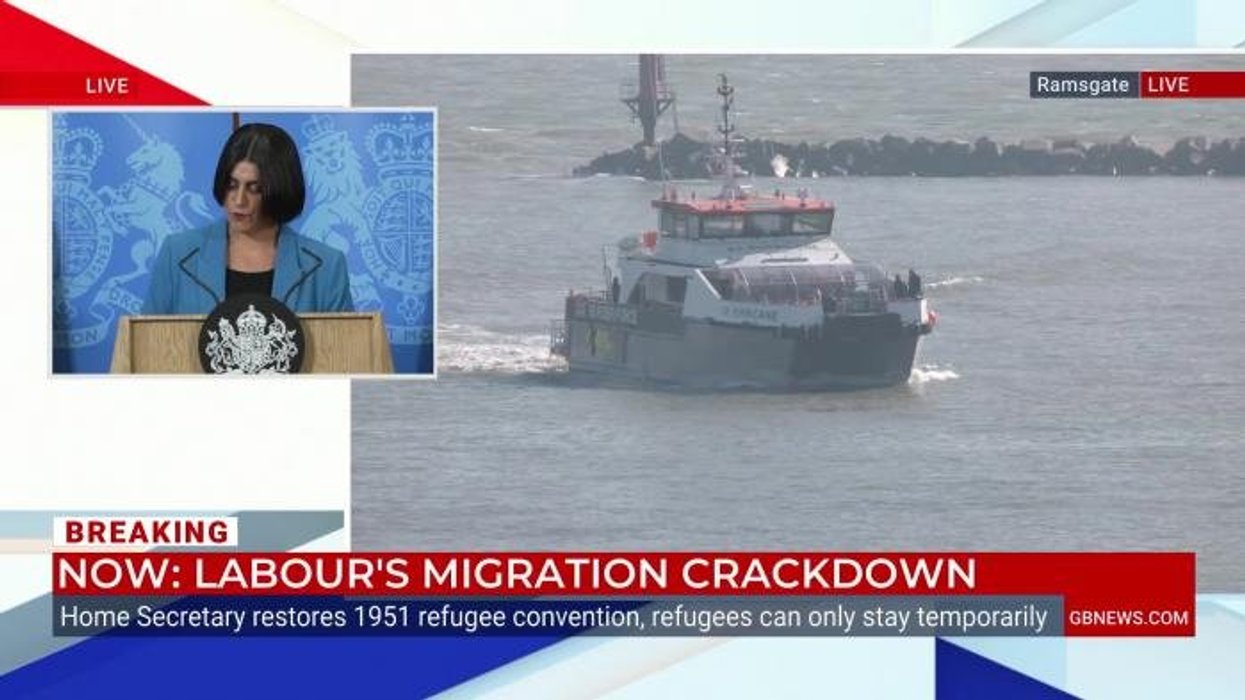









The European Union is set to open "return hubs" in Africa where rejected asylum seekers can be held.
It followed the bloc backing sweeping new deportation powers last Thursday, with MEPs voting 389 to 206 in favour of the Return Regulation.
Following the vote, German interior minister Alexander Dobrindt said the EU would aim to swiftly enact the policy.
"We aim to have reached agreements with third countries by the end of this year to take the next step - the establishment of these return hubs," he stated.
TRENDING
Stories
Videos
Your Say
Several African states are reportedly open to hosting such facilities, with Uganda, Mauritania and Benin among those considering arrangements with European governments.
Italian Prime Minister Giorgia Meloni hailed the parliamentary decision as "a decisive moment" in the bloc's efforts to combat illegal migration.
An informal coalition of EU nations is actively pursuing these deportation centre agreements, according to Bernd Parusel, a researcher at the Swedish Institute for European Policy Studies.
Germany, Austria, the Netherlands, Denmark and Greece form part of this group.
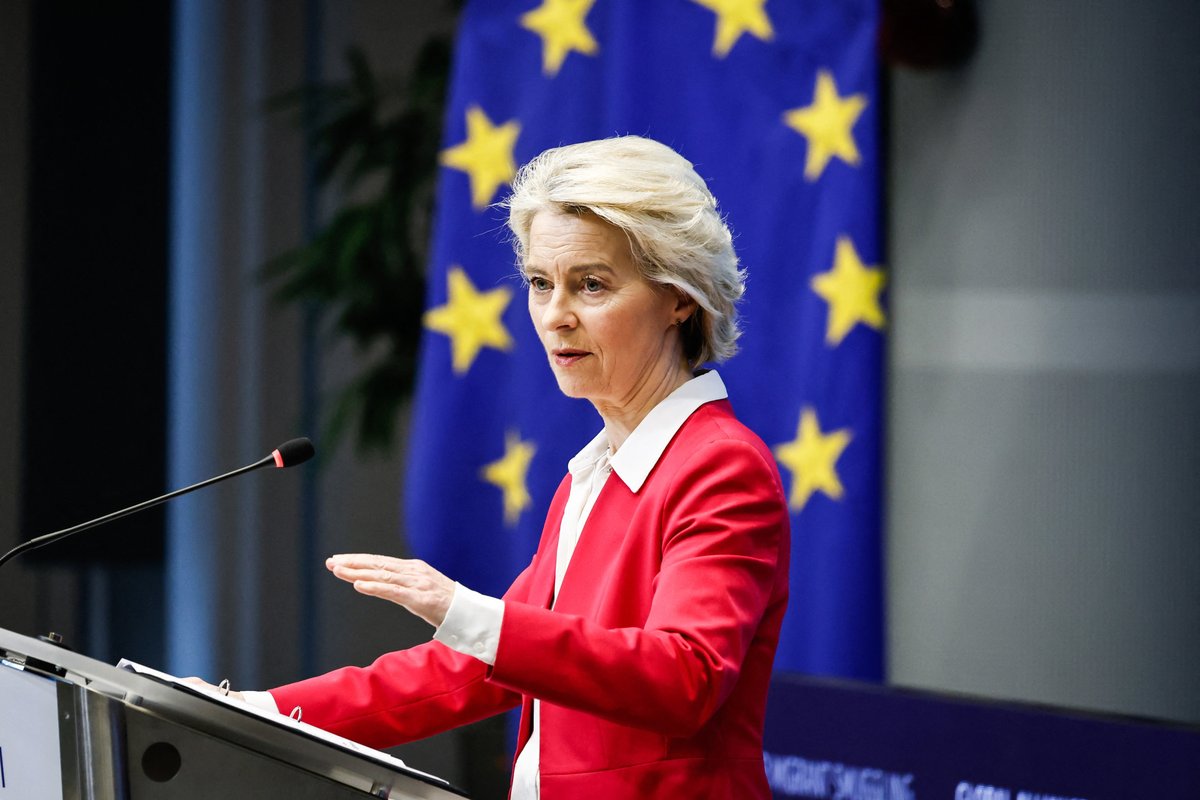
The EU is set to open 'return hubs' in Africa, where rejected asylum seekers can be held
|GETTY
Kenya has also emerged as a potential partner, according to Dutch MEP Tineke Strik, who noted the approach bears similarities to deals struck by US President Donald Trump with nations such as El Salvador.
Sweden's migration minister has indicated the ruling coalition supports establishing hubs beyond European borders, particularly for Afghan and Syrian asylum seekers.
The new Pact on Migration and Asylum comes into force on June 12, introducing a range of enforcement measures that critics have labelled a "deportation toolkit".
Under the regulations, migrants can be detained for up to two years and monitored through electronic tagging systems.
LATEST DEVELOPMENTS

It followed the bloc backing sweeping new deportation powers last Thursday, with MEPs voting 389 to 206 in favour of the Return Regulation
|GETTY
Deportation orders issued by one member state will become enforceable across the entire bloc, eliminating a loophole that previously allowed individuals to relocate within the EU to evade removal.
The legislation also permits indefinite detention in cases where migrants cannot be sent back to their countries of origin.
François-Xavier Bellamy, who leads the French Conservative Republicans in the European Parliament, declared: "The decisive changes introduced by this regulation will make it possible to simply guarantee the straightforward principle that if you come to Europe illegally, rest assured that you will not stay here."
Human rights organisations have raised serious concerns about the new framework, with Amnesty International warning that the legislation carries "grave risks of systematic human rights violations".

The UK's own third-party deal with Rwanda was pulled by the Labour Government
| PAThe International Red Cross expressed alarm that detention facilities would operate "outside of EU territory, where policymakers cannot guarantee that people's rights will be upheld".
Evidence suggests enforcement abuses are already widespread. A February report by humanitarian groups documented more than 80,000 pushbacks at EU borders during 2025, with the majority occurring in Italy, Poland, Bulgaria and Latvia.
The EU’s deportation hub deal comes as the UK continues to struggle to handle the migration crisis, years on from the demise of the Rwanda scheme.
Launched in 2022, the policy aimed to deter Channel crossings by sending migrants to Rwanda for processing and resettlement.
However, it soon became mired in legal challenges, culminating in a Supreme Court ruling deeming it unlawful, despite subsequent attempts to revive it through new legislation.
In practice, no deportation flights ever took off, and costs escalated significantly, fuelling criticism that the plan was ineffective.
The scheme was ultimately scrapped after the 2024 general election, with the incoming Labour Government abandoning it as unworkable and expensive.
Our Standards: The GB News Editorial Charter