









Marmalade is to undergo a rebranding in a post-Brexit food deal as Britain is to adopt a new set of EU rules.
The much-loved citrus spread is due to be renamed under the UK Government's planned EU food deal.
The spread loved by Paddington Bear will soon be sold as "citrus marmalade" if plans go ahead as Britain moves to readopt EU food measures in an effort to enable greater trade with the union and minimise red tape for British producers.
Brussels is changing its labelling rules, meaning the legal definition for marmalade is being widened for EU members.
TRENDING
Stories
Videos
Your Say
In the 1970s, Britain lobbied for the sweet spread to be awarded special status, meaning a product solely cut from bitter Seville oranges could be sold as marmalade.
However, the regulation became a point of contention with food producers and regulators across Europe since then.
The EU in 2004 agreed to relax laws for those making fruity concoctions at farmers' markets in Germany and Austria.
Despite the move, it still created a linguistic conundrum across the southern European states, such as Spain and Italy, where "marmellata" and "mermelada" are terms used for spreads made of fruits such as figs and plums, the BBC reports.
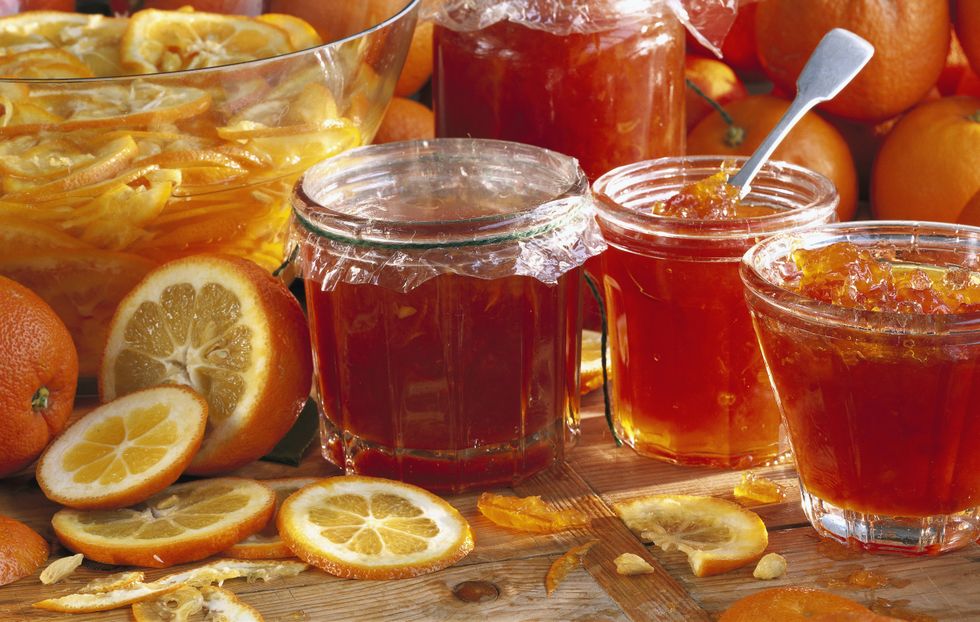
The much-loved citrus spread is due to be renamed under the UK Government's planned EU food deal
|GETTY
The British breakfast staple does owe its origins to Europe, as it originated as a thick, sugary quince spread from Portugal.
The EU has updated its regulations since the UK left the union, allowing all member states to market non-citrus spreads as "marmalade" from June this year.
To make it more confusing, the beloved spread will need to be distinguished as a separate food product and will have to be sold under a new name, "citrus marmalade".
The name change was already set to come into force in Northern Ireland this summer, under the 2023 Windsor Framework, which sees the province automatically align with EU food legislation.
LATEST DEVELOPMENTS:
This comes among 76 revised EU food laws that could also apply in England, Wales and Scotland, should the broader food deal with Brussels be agreed.
A timetable for when the changes would take effect in Britain has yet to be confirmed and it remains unclear whether the updated rules would need to be in place before or after mid-2027 - the point at which Labour ministers are hoping the wider agreement will come into force.
Whether regulators will permit products such as "strawberry marmalade" to be sold on British supermarket shelves also remains an open question.
No such allowance is currently planned in Northern Ireland under the legislation and a previous assessment by the Department for Environment, Food and Rural Affairs (Defra) found that relaxing labelling rules in that way "could be confusing for UK consumers".
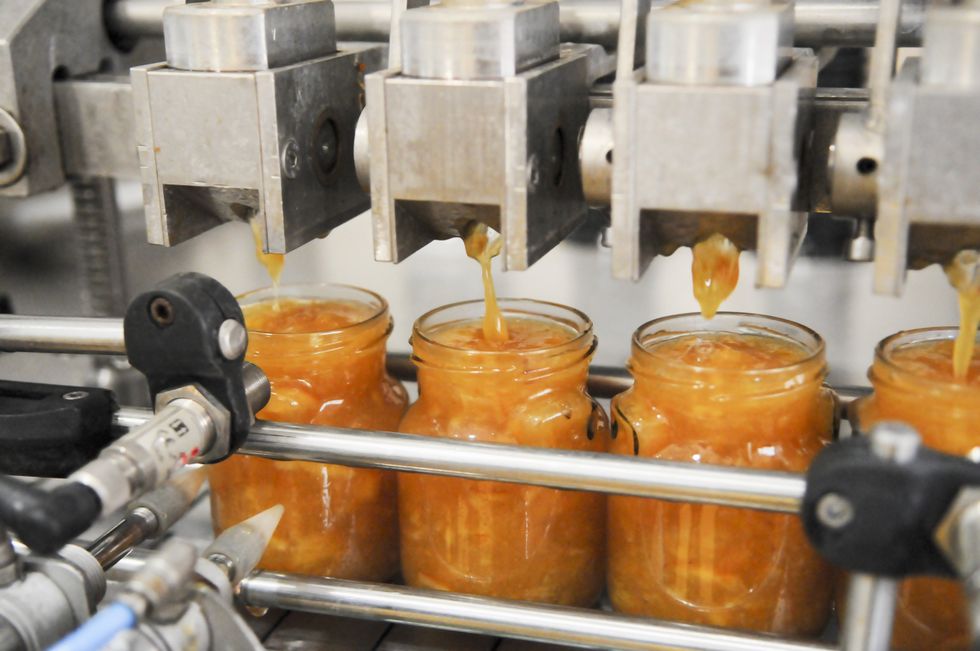
Marmalade producers are anticipating the change which would require them to preface "marmalade" with "citrus"
|GETTY
Defra declined to confirm whether it intended to loosen the rules, but said it was engaging with affected businesses and would consider aligning with EU standards "where it makes sense to do so".
The impact of the change on UK marmalade producers and consumers is not yet known.
More specific descriptions, such as containing the name of the fruit, such as "lemon marmalade" will be allowed as well.
One marmalade producer told the BBC they had gotten ahead of the change, with already renaming their spread.
Another said all their labelling has to be amended as a result.
In Cumbria, Dalemain Mansion, who has been hosting the World Marmalade Awards for 21 years, said they intend to keep the competition solely for citrus-based spreads, disregarding the change in labelling rules.
Beatrice McCosh, director of the awards, said the competition sought to uphold the gold standard of a truly British preserve.
She referenced that marmalade has a rich history stretching back centuries, from the court of Elizabeth I to the fictional exploits of James Bond.
A government spokesman said: "British marmalade is not changing; it will still be the same product available in our shops as it is now.
"British manufacturers align with international standards to ensure our world-class produce can be sold to a larger international market.
"Our deal with the EU supports businesses by removing the costly red tape that holds back our exporters from our largest trading partner.
"Crucially, our agreement secures the UK’s ability to shape the rules that affect our industry in the national interest."