










Nearly £7billion of public money has been written off in a single year, the Committee of Public Accounts (CPA) has revealed.
Across 17 main departmental groups within Government, £6.6billion was wasted, with this money not being used to achieve its intended objectives or generate any value towards the taxpayer.
In a report of the National Audit Office’s findings for the year 2024-25, it also highlights how financial reporting from Government departments has waned significantly since the pandemic, which the CPA says is "undermining" accountability and transparency.
Jacob Rees-Mogg, GB News Presenter and former leader of the House of Commons told the People’s Channel the amount of wastage "damages the prospects for economic growth".
He said: "There is a special trust expected of those who spend public money.
"This is being abused to the detriment of taxpayers which damages the prospects for economic growth."
The CPA highlights the reason for such wastage is generally down to cancelled projects and changing priorities, with the report drawing attention to the "Government’s propensity to cancel projects after significant sums of public money have already been sunk, particularly egregious examples of poor value for money".
The biggest offender was the Ministry of Defence - losing £1.6billion through cancelling projects due to changes in Government priorities and retiring assets from use.
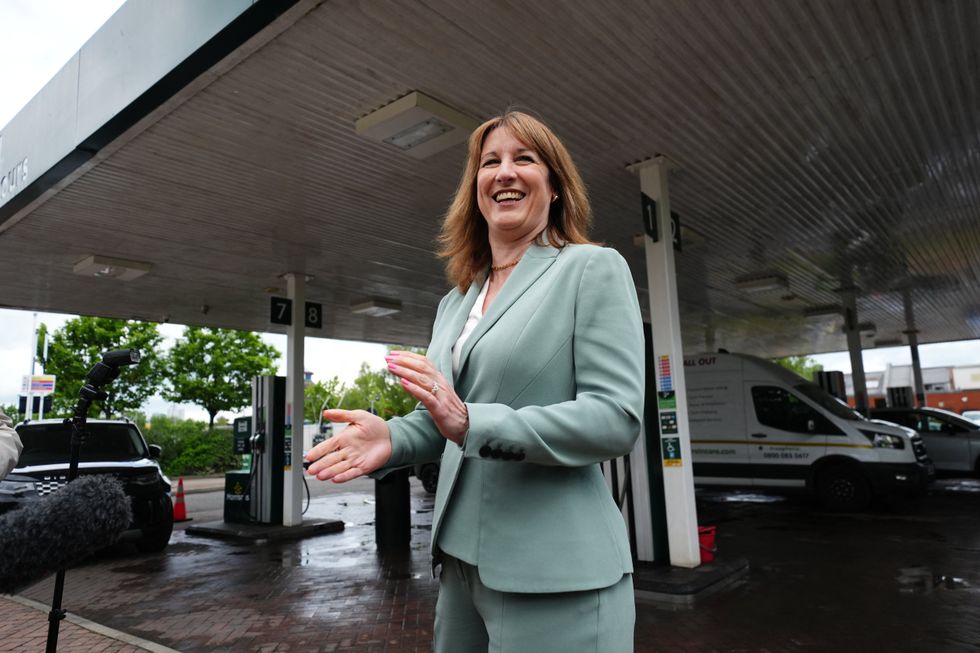
UK taxpayers are experiencing the highest tax burden in 70 years whilst Government departments wasted almost £7billion in public money in 2024-25
|GETTY
A £472million loss was recorded by the Department of Transport due to the cancellation of the eight road schemes, including the A303 tunnel running under Stonehenge.
Shabana Mahmood’s department, the Home Office also reported a £290million loss due to Labour’s cancellation of the Tories’ Rwanda deportation deal.
Clive Betts MP, Deputy Chair of the Public Accounts Committee, said the report shows billions of pounds "simply boiled off into the atmosphere" despite the country being in "such straitened financial circumstances".
He said: "At a time of such straitened financial circumstances for so many, we should never, ever be satisfied with time or money wasted at no benefit to the public.
LATEST DEVELOPMENTS
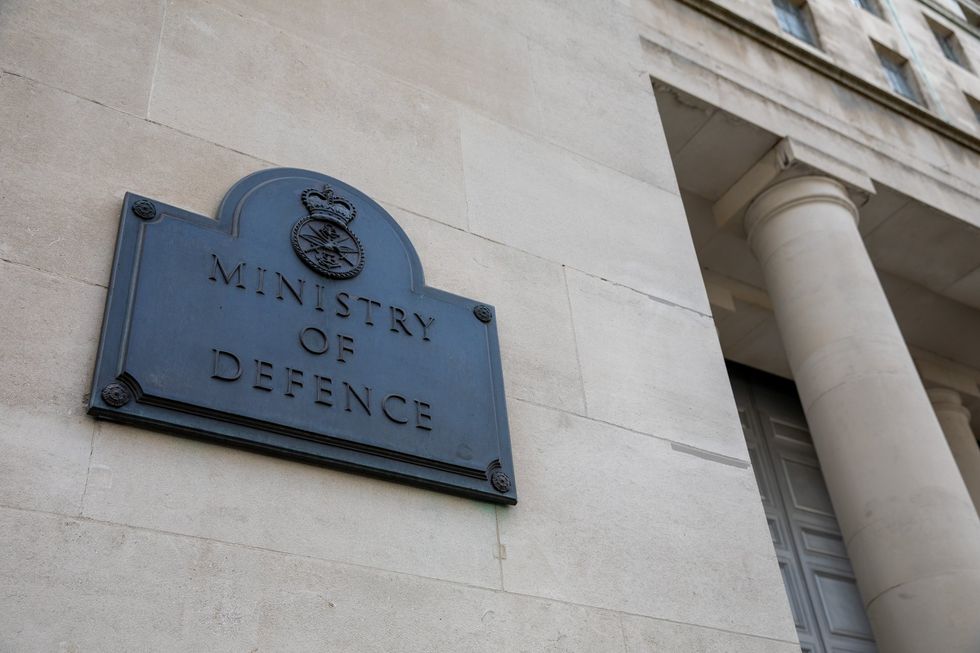
The Ministry of Defence was the worst offender, with wasting £1.6billion in public money due to a change in Government priorities and stopping projects
|GETTY
"Yet here our report finds £6.6billion last year simply boiled off into the atmosphere as a loss, the victim of cancelled projects or changed priorities."
He continued to say taxpayers "who work hard… should be rightly aggravated" by the findings.
Callum McGoldrick, investigations campaign manager at the TaxpPayers’ Alliance expressed similar concern to Mr Betts, saying taxpayers will be "furious".
He told GB News: "Taxpayers will be furious that £6.6 billion was wasted in a single year through fraud, cancelled projects and government incompetence.
"From Rwanda to failed infrastructure schemes, this report exposes a Whitehall culture that treats taxpayers’ money far too casually.
"Ministers need to crack down on waste and start showing some respect for the people footing the bill."
On top of write-offs, Government departments made £293million in special payments - these are non-standard transactions covering things like adverse legal costs, compensation and personal injury claims.
Examples of such schemes include the Windrush Compensation Scheme, Equitable Life and the British Steel Pension Scheme.
Whilst some may have been justified, the scale raises questions about whether such costs were avoidable.
The CPA has said it does not question whether individuals are deserving of compensation payments, but it found no clear evidence value for money was properly considered when such schemes were designed.
Annual payments from the largest ongoing schemes nearly doubled in a year to £4.9billion, with a total lifetime cost at over £102billion - largely driven by clinical negligence.
The CPA has recommended the Government benchmarks its compensation costs against those of similar countries as a percentage of GDP and intends to further scrutinise scheme design in an ongoing inquiry.
Fraud is also raised as a significant issue in the report, where bodies such as the Department of Work and Pensions (DWP) has consistently experienced material levels of fraud and error, meaning they have reported qualified accounts for the past 36 years, which currently stands at £9.3billion, if the state pension is excluded.
Qualified accounts essentially is when an independent auditor, in this case the Nation Audit Office, looks at a department’s financial accounts and cannot determine them to be accurate - either the numbers cannot be verified or they are known to be materially wrong.
Similarly, HM Revenue and Customs have had qualified accounts for 20 years.
The CPA said this figure has “been accepted for far too long” and rejects the rationale that the losses are an “inherent feature of Government systems”.
Mr Betts said: "Above all, we must reject the argument that high levels of fraud and waste are simply the cost of doing business in the public sector. They are not - they are the cost of complacency.”
The report highlights only two departments who have had a positive audit - the Environment Agency and the Bank of England.
Despite having qualified accounts consecutively between 2019-20 to 2023-23, the Environment Agency received a clear audit opinion for 2024-25 - the CPA regarded this as evidence persistent qualification is not inevitable.
The Bank of England is described as “examplar”, particularly in respect to its digital transformation.
It delivered its settlement system transformation programme largely on time and managed to keep costs within the project’s £431million budget.
Mr Betts said: “Our report holds up the Environment Agency and the Bank of England as exemplars which demonstrate that the judicious shepherding of public funds is possible, and that the government can and must improve in this area.”
The report contrasts the Bank of England’s successful financial management with the National Savings and Investments (NS&I), an arms-length agency of the Treasury, business transformation programme.
The NS&I’s project, which aims to reduce its cost of running, budget’s estimates ballooned from £1.7billion in 2020 to £3billion by 2024, with it likely to continue to creep as the project is ongoing.
The CPA predominantly placed the blame on the lack of financial management skills needed to oversee major digital transformation projects effectively.