









The news that John Healey has resigned as Secretary of State for Defence may come as a shock to Sir Keir Starmer and Rachel Reeves, but will come as no surprise to those to know him, and who know the current, parlous state of Britain’s defence capabilities.
John Healey, like his predecessor Lord George Robertson, is an old-fashioned, patriotic Labour politician, whose roots are far closer to those of the young men and women who choose to in the ranks of the Royal Navy, British Army and Royal Air Force, than they are to the majority of his fellow Members of Parliament on the Government Front Bench.
As Defence Secretary, he is both privy to all the intelligence reports that consistently stress the scale and scope of threats to the United Kingdom, and to gaps in national defence capability across all three Services, which on-going events in the Middle East have only served to highlight.
In addition, he will also be painfully aware of Sir Tony Blair’s recent assessment that this Government’s approach to security and defence threaten to relegate the United Kingdom, permanent member of the UN Security Council and lead founder of Nato, to "the second division".
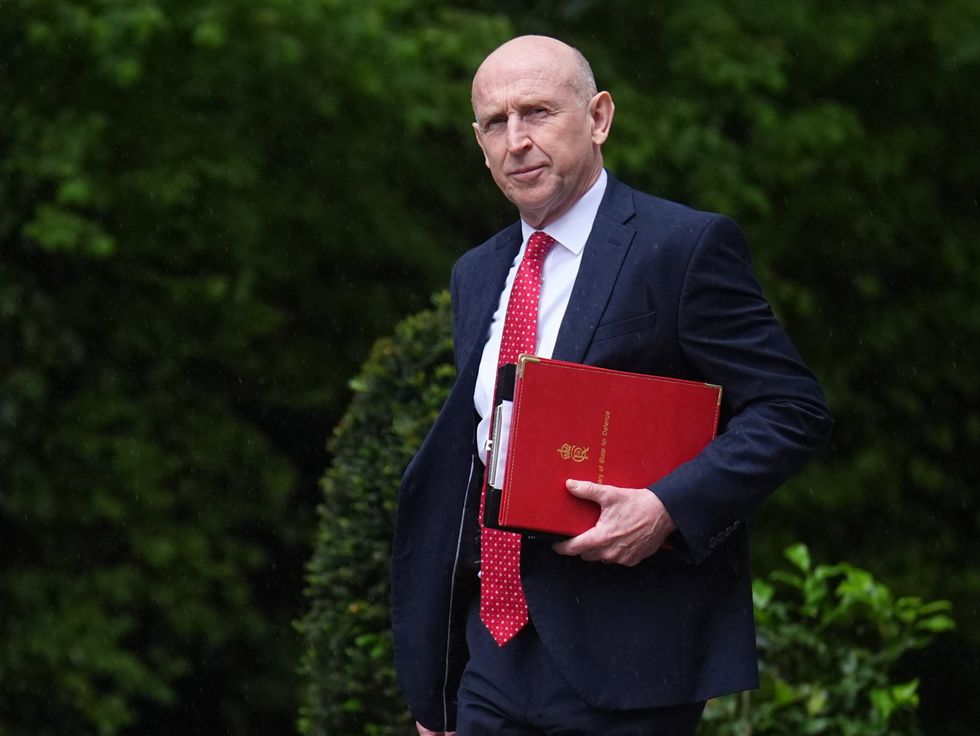
John Healey resigned from his role as Defence Secretary earlier today
|PA
The news had already been reporting that the Chief of Defence Staff, Air Chief Marshal Sir Rich Knighton, had sent a letter to the Prime Minister registering his continuing concern over the proposed scale of funding for Defence.
John Healey must have been aware of this letter, so his resignation is confirmation that he agrees with its contents.
The previous government must shoulder their own share of the blame for the situation in which the British Armed Forces find themselves, and by extension the nation, but this Labour Government have made a series of conscious political decisions that have stifled economic growth, raised taxes, and prioritised spending on benefits and the welfare state.
This combination has meant Labour have given themselves no leeway, politically or economically, to find the resources properly to maintain, sustain, or increase Britain’s military capability during a time of increased threat; their primary responsibility.
LATEST DEVELOPMENTS
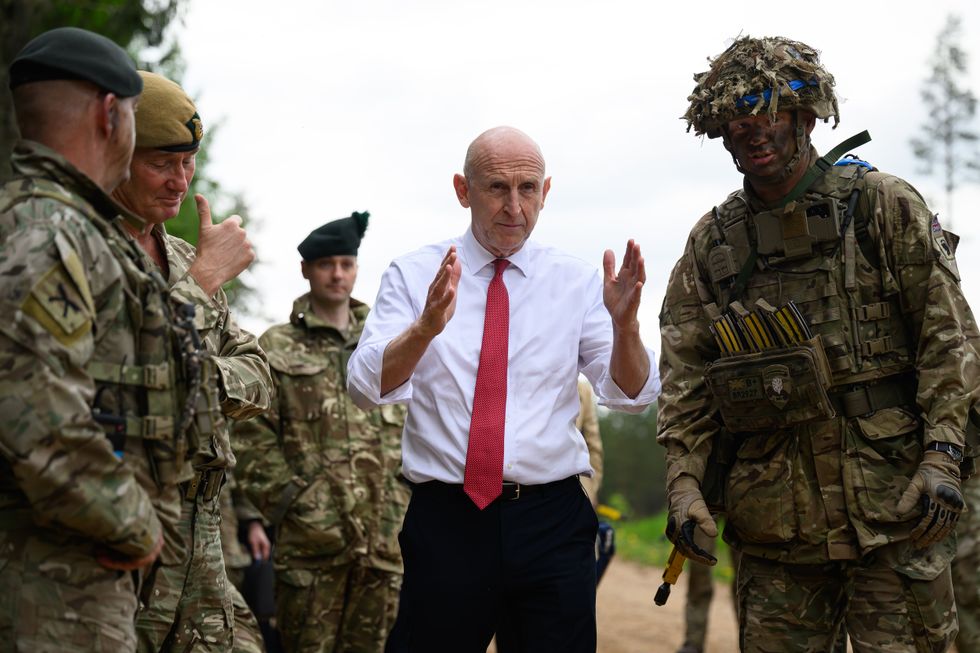
John Healey had served in the role for the past two years
| GETTYJohn Healey clearly saw the Treasury figures for what the Government was prepared to invest in the much-heralded Defence Investment Plan, a product of the equally well-heralded Strategic Defence Review, and realised that, as Defence Secretary, he could no longer look the Service Chiefs, British servicemen and women, fellow Nato partners, or other allies in the eye with credibility or confidence.
John Healey knows that Britain is not yet facing a stark "guns or butter" moment, but he also knows that he has been a senior figure in a government whose whole approach was usefully characterised by another old-Labour patriot, Pat McFadden, as "who can we tax in order to pay benefits to others?"
John Healey will have thought long and hard about his decision, but he has done the country a great service by his stand on this issue, and he is to be applauded for his courage and integrity.
What the Government’s response to this "shock resignation" is, will tell us a lot about their whole approach to the question of what constitutes "British national interest".