








NHS England is pushing hospitals to implement tablet-based self-service kiosks in A&E departments amid new plans to replace receptionists.
The initiative, described as a "high-tech concierge service," would function as a digital receptionist, requiring patients to detail their condition before receiving "human" care.
Sir Jim Mackey, NHS England chief executive, outlined the plans at the NHS ConfedExpo conference in Manchester, calling the effort to transform urgent care his "personal obsession".
He said the digital triage approach aimed to bring "order" to emergency care, prioritising the most urgent cases and sending others elsewhere.
Sir Jim told delegates "the big prize for this coming winter is shifting to introducing many more appointments into urgent care", predicting the combined measures would have an "enormous" impact.
Under the proposed system, individuals in A&E would complete questionnaires on self-check-in screens or tablets, providing details about their symptoms and medical history.
Based on their responses, some patients would be fast-tracked for immediate attention, while others might be directed towards pharmacies, GP surgeries, or offered appointments to return at a later time.
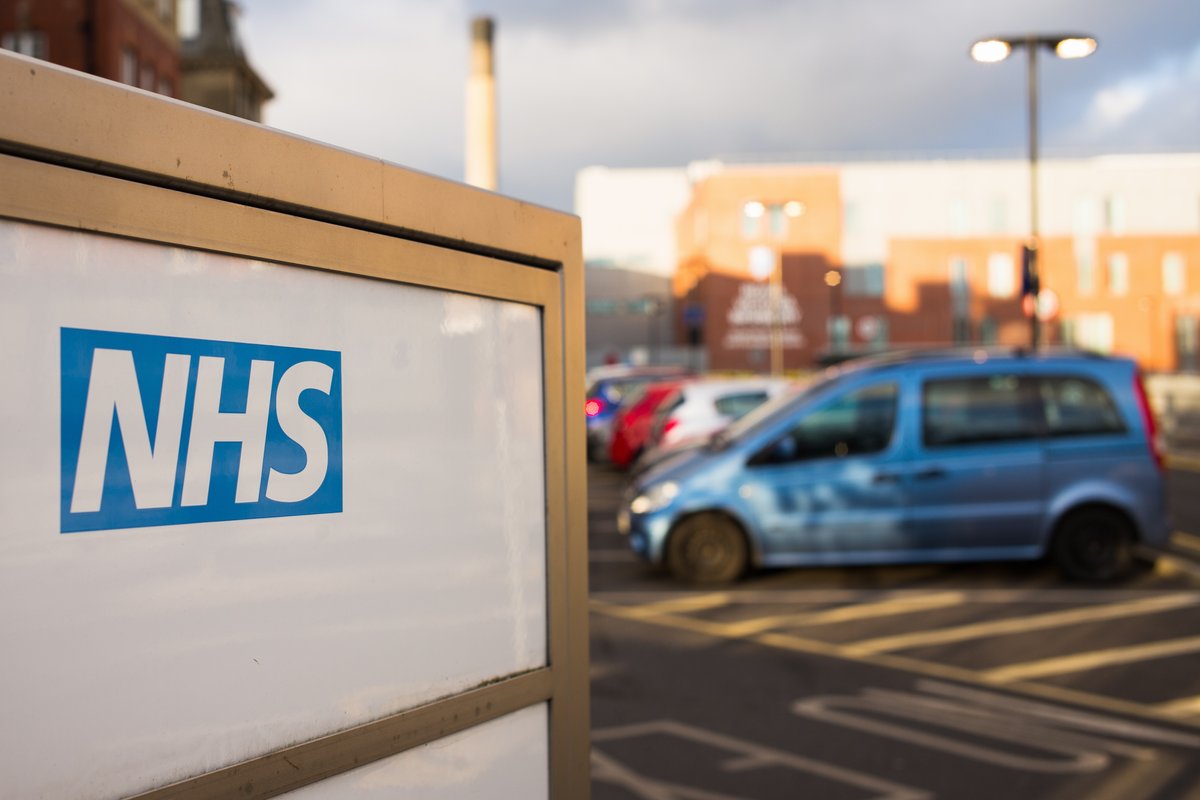
The NHS initiative, described as a 'high-tech concierge service', would function as a digital receptionist
|GETTY
Health officials confirmed that those arriving by ambulance or requiring life-saving intervention would not be subject to the digital screening process, instead receiving urgent clinical care immediately.
Sir Jim urged NHS leaders to adopt the digital triage model swiftly, with the health service encouraging hospitals across England to have the technology operational ahead of winter pressures.
Patient advocacy groups have expressed alarm at the proposals, warning vulnerable individuals could be left behind by the technology-driven approach.
Dennis Reed, director of Silver Voices, which represents those aged over 60, said: "I'm really worried about the patients who will struggle with this, or who may not be able to describe their symptoms properly, when what they need is a clinician who can see them and ask the right questions."
LATEST ON THE NHS:
He cautioned that "people will fall through the net in large numbers if this is rolled out," highlighting concerns about the post-war generation who may be reluctant to assert themselves.
"It risks becoming a case of 'computer says no'," he added.
Rachel Power, chief executive of the Patients Association, echoed that the system "must work for all patients, not just the digitally confident".
Ms Power warned older people, disabled individuals, and those with limited digital access "must never be disadvantaged."
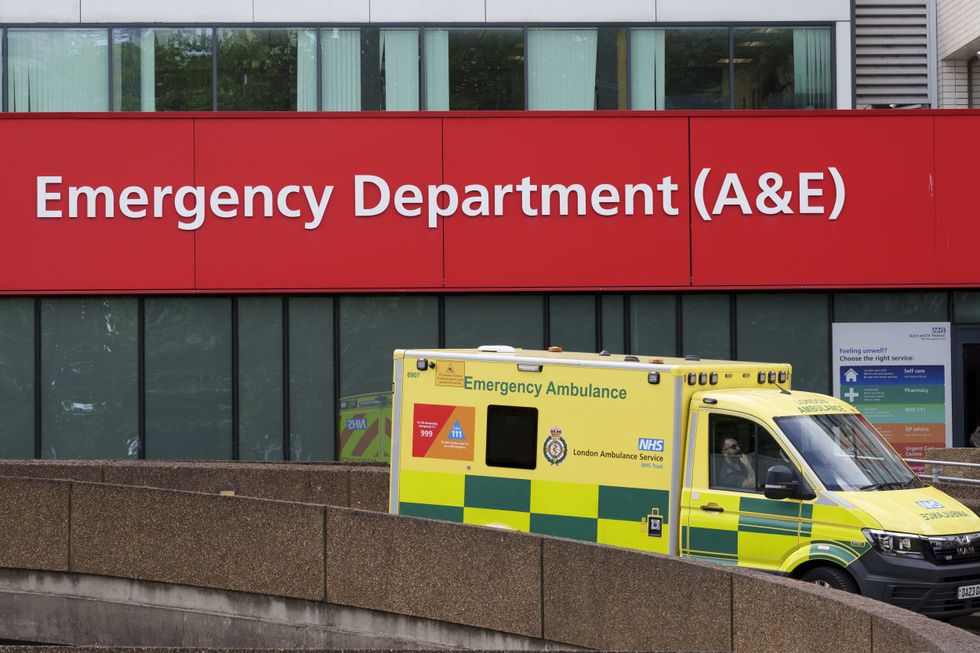
NHS England is pushing hospitals to implement tablet-based self-service kiosks in A&E departments
|GETTY
She also stressed patients redirected or given later appointments require "explicit, easy-to-understand information about what to do if their condition deteriorates, who to call, where to go, and how quickly to act."
NHS officials have said staff members would carry out assessments for any patients unable to navigate the technology, with final decisions in all cases remaining with human workers.
The digital triage model has already been deployed at 18 hospital sites, with a trial at East Lancashire Teaching Hospitals reportedly cutting A&E waiting times by nearly half.
However, earlier NHS attempts to digitise services have produced inconsistent outcomes, frequently excluding the most vulnerable patients from accessing care.